Western azalea
Rhododendron occidentale
Last reviewed: October 2026
Western azalea (Rhododendron occidentale) is a perennial shrub native to CA, OR. It blooms in May, June, and July. The flowers draw bees, hummingbirds, and butterflies.
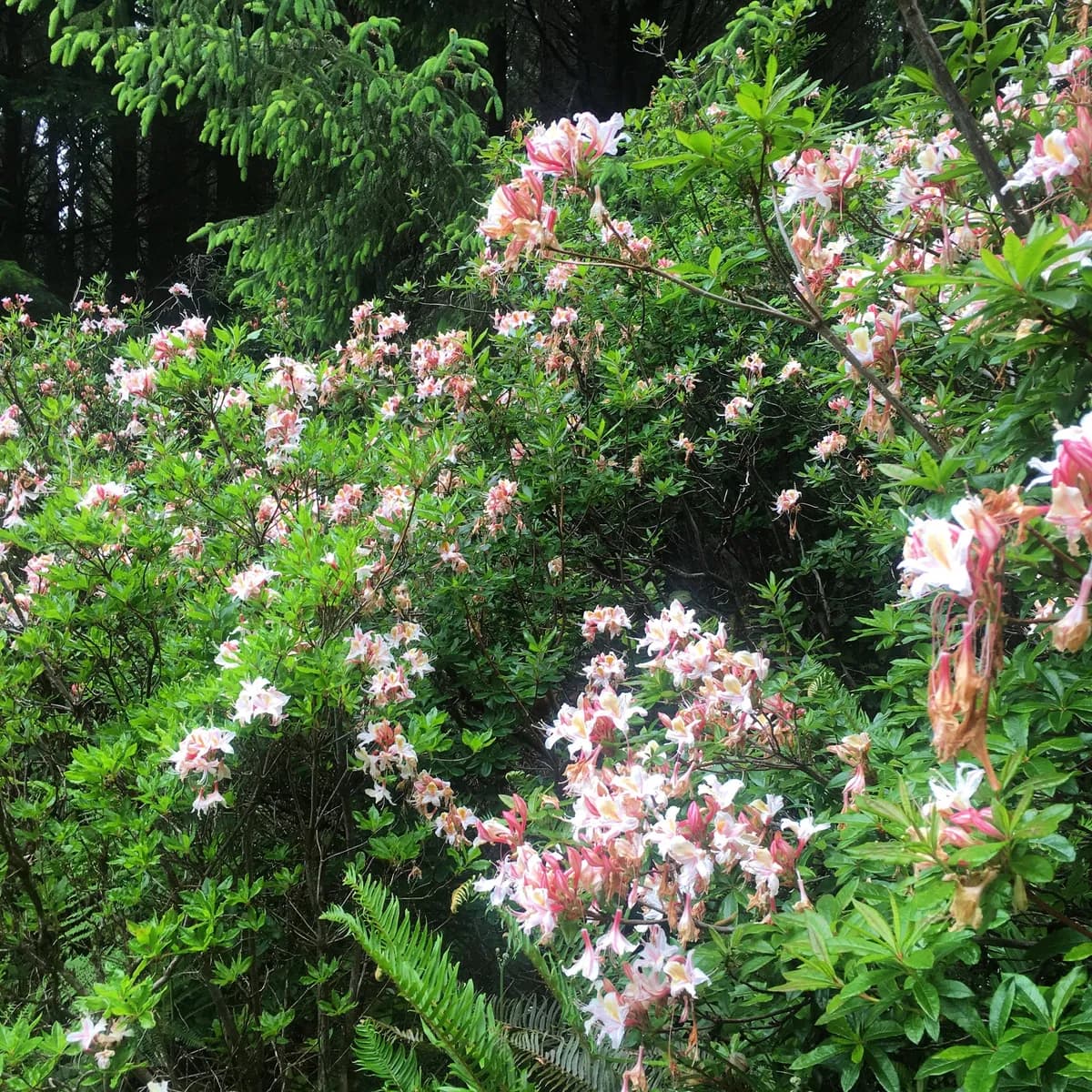
Western azalea is toxic to dogs and cats.
Listed as toxic by the ASPCA Animal Poison Control Center (opens in new tab) (last reviewed 2026-08-15). If your pet has been exposed, call the ASPCA Animal Poison Control Center at (888) 426-4435 and your veterinarian's emergency line.
Pollinator Patch flags toxic plants so you can choose a pet-safe native alternative for your yard.
Native swaps for a yard with pets
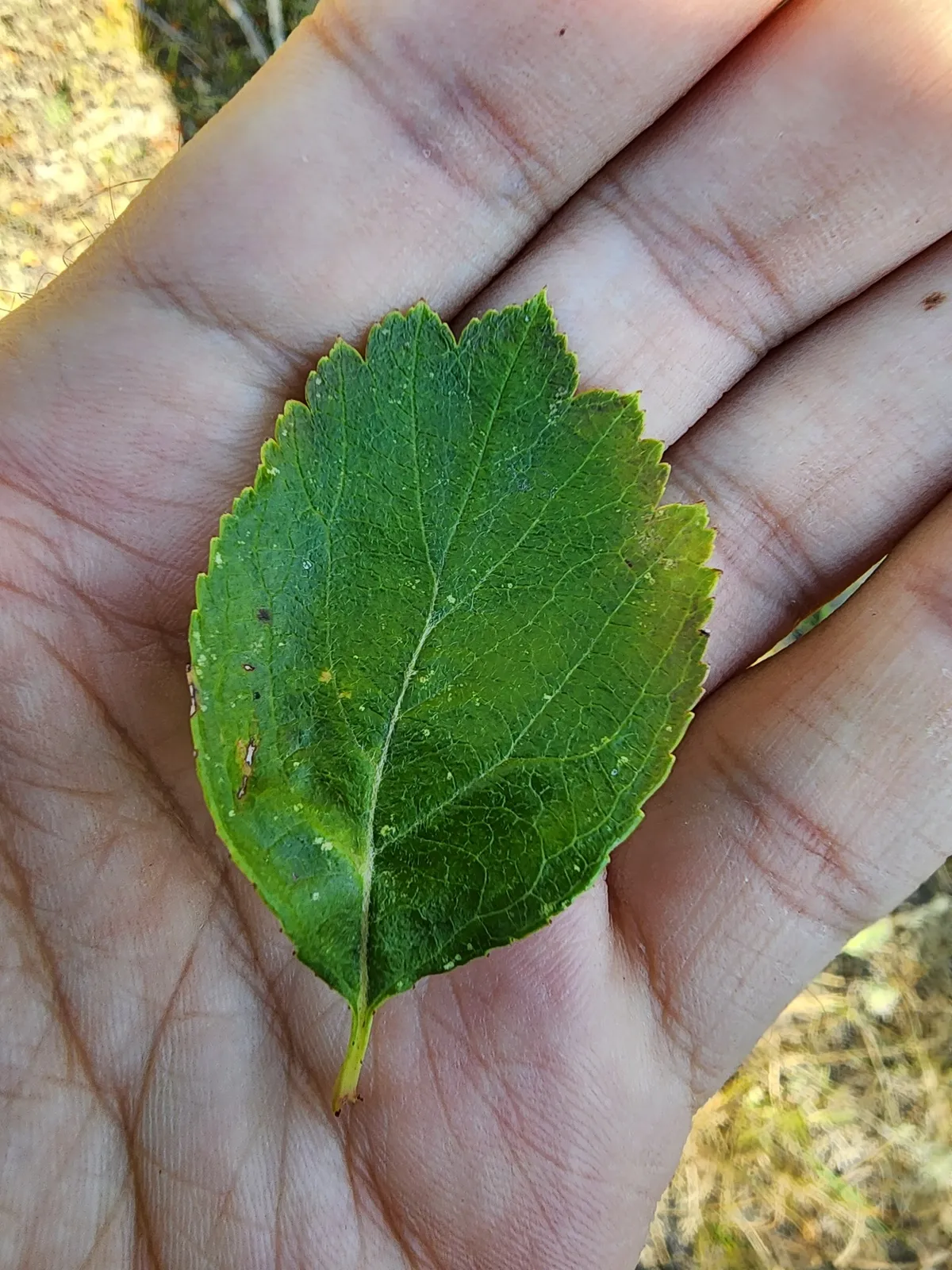
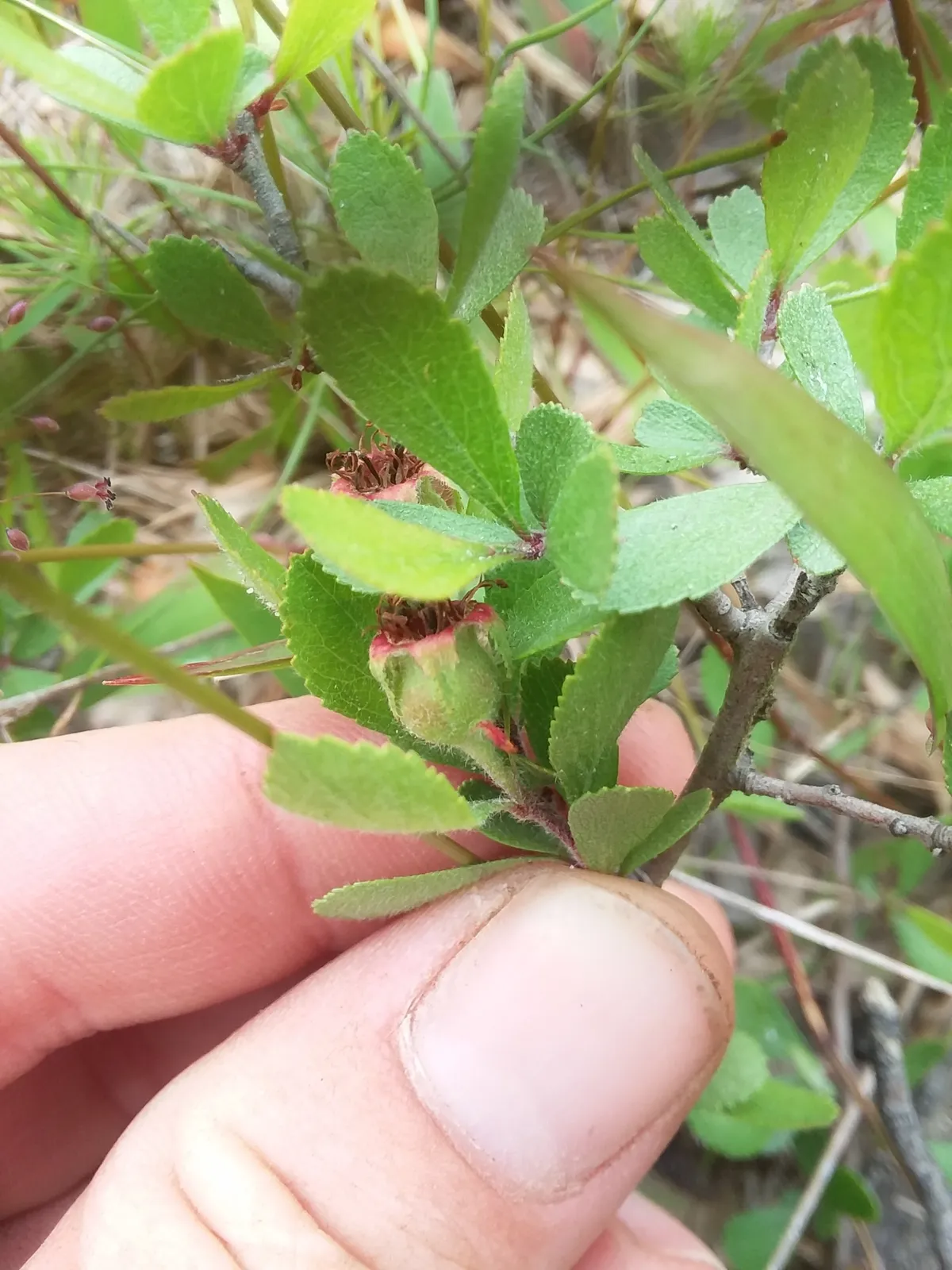
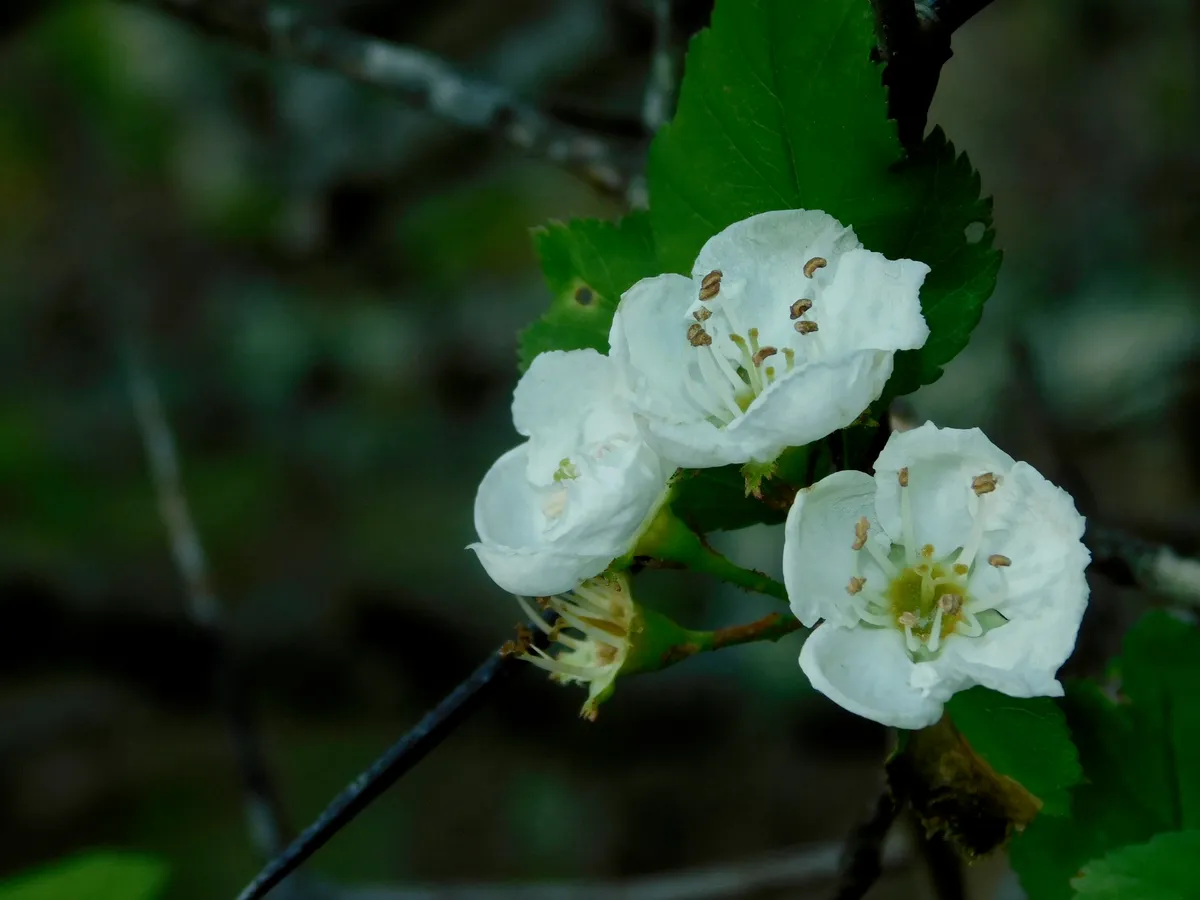
Western azalea is listed as toxic to dogs by the ASPCA Animal Poison Control Center. These natives fill a similar role in a planting and are not on the ASPCA toxic plant list for dogs or cats. Each plant's page carries its dated record.
Light
part shade
Water
medium
Size
36"–120" H × 36"–96" W
Bloom
May, Jun, Jul
Native to
CA, OR
Pollinators
bees, hummingbirds, butterflies
Before you buy
Your city may pay you to plant this
Cities and water utilities offer rebates for replacing lawn with native and water-wise plants. We track 459 programs across 44 states, each with a link to the provider and the date we last checked it.
Find rebates in your areaPicture natives in your own yard
Upload a photo of your yard and Patch Vision shows a rendering of it planted with natives for your region, like Western azalea.


Browse plants for this ecoregion
A deciduous azalea with clean upright growth and large, fragrant white to pale pink flowers with a yellow blotch, blooming in showy clusters. Grows along streambanks and moist woodland edges and holds a tidy, rounded form.
Growing Western azalea
Grow Western azalea in part shade and medium water. Mature plants reach 36 to 120 inches tall and spread 36 to 96 inches wide.
How to care for Western azalea, by region
How to care for Western azalea where it is actually grown: year-round basics plus what to do each season, region by region, with the sources for each.
Care guidance last updated: October 2026
Atlantic Coastal Pine Barrens (includes Riverhead, NY)
Year-round
Western azalea is grown here as a cultivation-only shrub. The source describes a West Coast habitat, so expect it to be a challenging fit on Long Island.
- Prefers partial shade. It needs some sun for good flowers but likes high shade such as a woodland edge.
- Prefers deep woodland soil high in organic content, and it can be acidic.
- Calscape lists it as tolerating cold to -10 F and gives only Western Sunset zones, and says it typically gets summer fog drip or other summer moisture.
- The ASPCA lists azalea (also called rhododendron) as toxic to dogs, cats, and horses.
Fall
Fall care is steady watering.
- Keep watering into mid or late November as long as the ground has not frozen, as a general guide for rhododendrons.
- Rhododendrons are among plants commonly affected by winter burn.
- Established evergreens need about 1 inch of water per week, more in sandy soil.
Winter
Winter is the time for any thinning, while the plant is dormant.
- Prune in winter while the plant is dormant if it needs occasional thinning.
- Calscape says it tolerates cold to -10 F.
- Rhododendrons are commonly affected by winter burn, so keep them watered into late fall.
Spring
Spring is for planting in woodland-type soil.
- Use deep, organic-rich soil, such as peat or pine needles.
- Give partial shade with some sun for flowering.
- Calscape lists drainage as slow for this plant.
Summer
Summer moisture is the main challenge outside its home range.
- Once established, irrigation is listed at a maximum of about once a week in its native conditions.
- It typically gets summer fog drip or other summer moisture.
- Calscape lists water needs as high and moderate.
Sources: Calscape, Western Azalea, ASPCA, Azalea, UW Extension Dane County, fall watering to prevent winter burn
Wildlife value
Highly fragrant flowers draw bees, hummingbirds, and butterflies, making it one of the more pollinator-attractive native shrubs.
Common questions
- How much sun does Western azalea need?
- Western azalea grows best in part shade conditions.
- When does Western azalea bloom?
- Western azalea blooms in May, June, and July.
- Where is Western azalea native?
- Western azalea (Rhododendron occidentale) is native to CA, OR, per vouchered herbarium specimen records and regional native plant society lists.
- Is Western azalea toxic to dogs?
- Yes. Western azalea is listed as toxic to dogs by the ASPCA Animal Poison Control Center (aspca.org). If your pet has been exposed, call the ASPCA Animal Poison Control Center at (888) 426-4435.
- Is Western azalea toxic to cats?
- Yes. Western azalea is listed as toxic to cats by the ASPCA Animal Poison Control Center (aspca.org). If your cat has been exposed, call the ASPCA Animal Poison Control Center at (888) 426-4435.
- What pollinators does Western azalea attract?
- Western azalea draws bees, hummingbirds, and butterflies.
Native range data from vouchered herbarium specimen records and regional native plant society lists. Pollinator and host plant associations compiled from GBIF, iNaturalist, and published ecological literature.
If something looks wrong
Common plant problems, and what to check first
These come up on almost any plant. Each guide lists the likely causes in the order they are worth ruling out, with one thing to check before you act on any of them, and links to the source it came from.
- It is dying right after planting
- Leaves turning yellow
- Wilting even though I watered it
- Brown crispy leaf tips
- Bugs on the plant
Pollinator Patch flags toxic plants like Western azalea and shows pet-safe natives for your ecoregion instead.