Carrot
Daucus carota
Last reviewed: October 2026
Carrot (Daucus carota) is a biennial forb. It blooms in June, July, and August. The flowers draw bees, beetles, and flies.

Carrot (Daucus carota) is not on the ASPCA Animal Poison Control Center toxic plant list for dogs or cats (aspca.org (opens in new tab), last reviewed 2026-05-21). If your pet shows symptoms after eating any plant, call the ASPCA at (888) 426-4435.
Light
full sun
Water
medium
Size
12"–36" H × 6"–12" W
Bloom
Jun, Jul, Aug
Pollinators
bees, beetles, flies
Native alternatives to Carrot
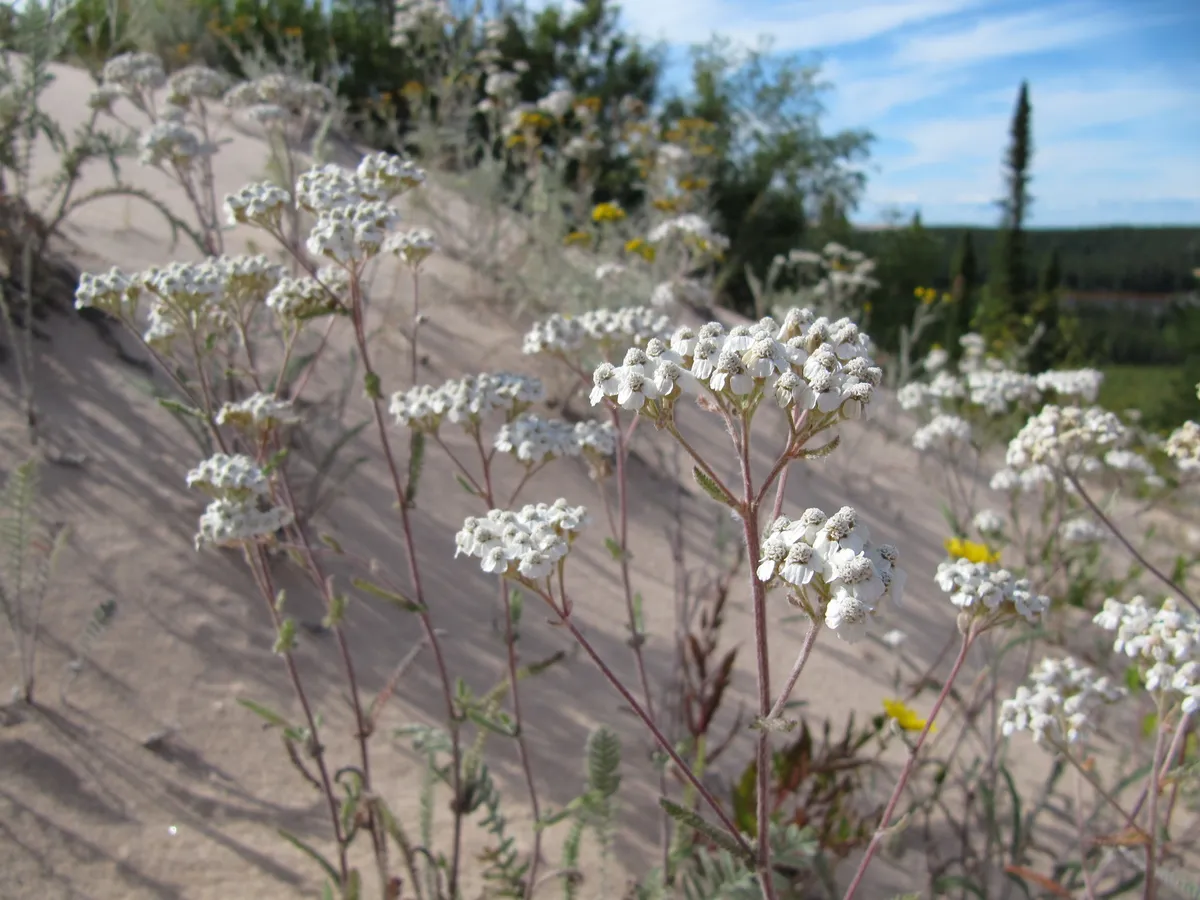
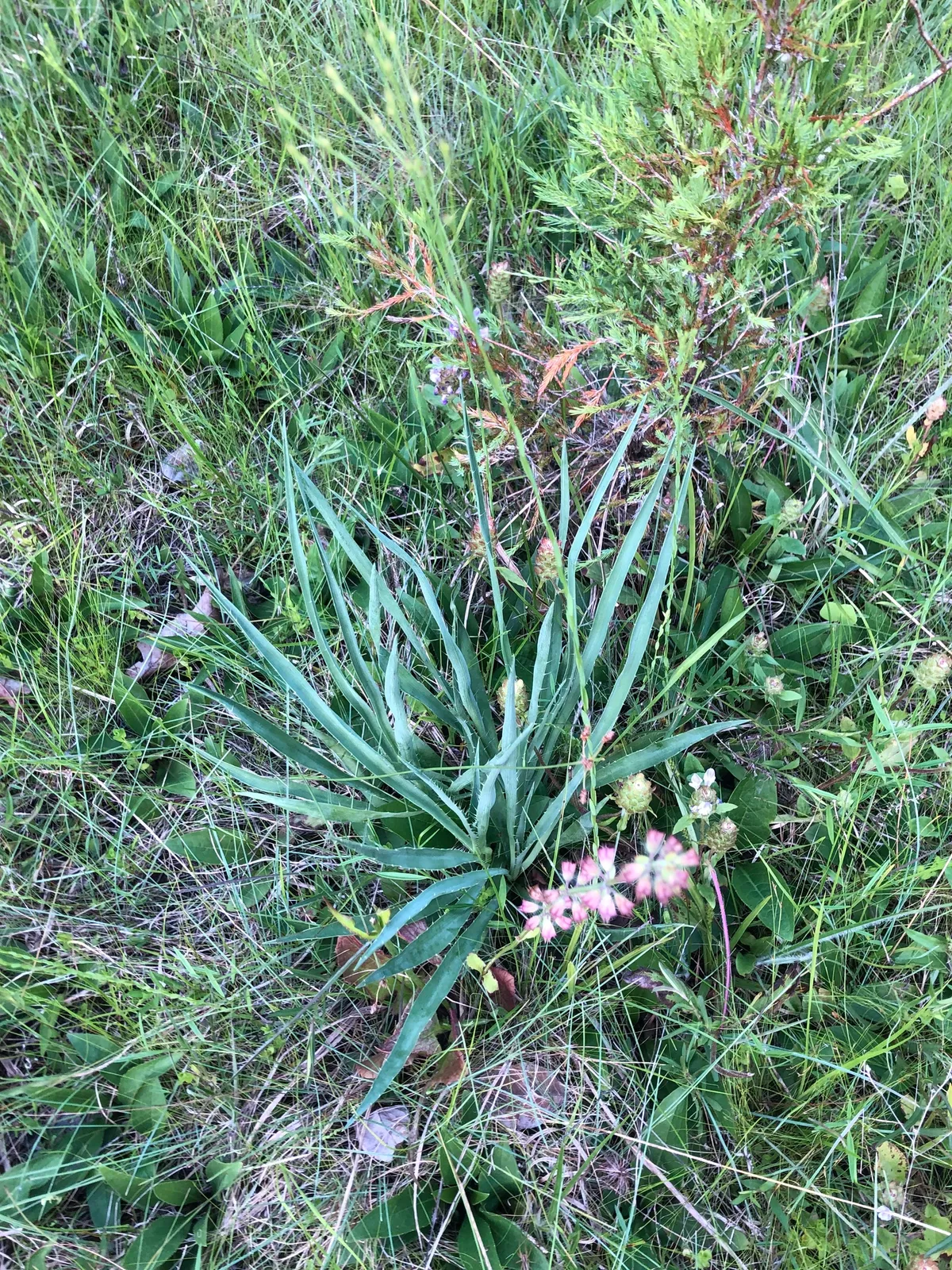
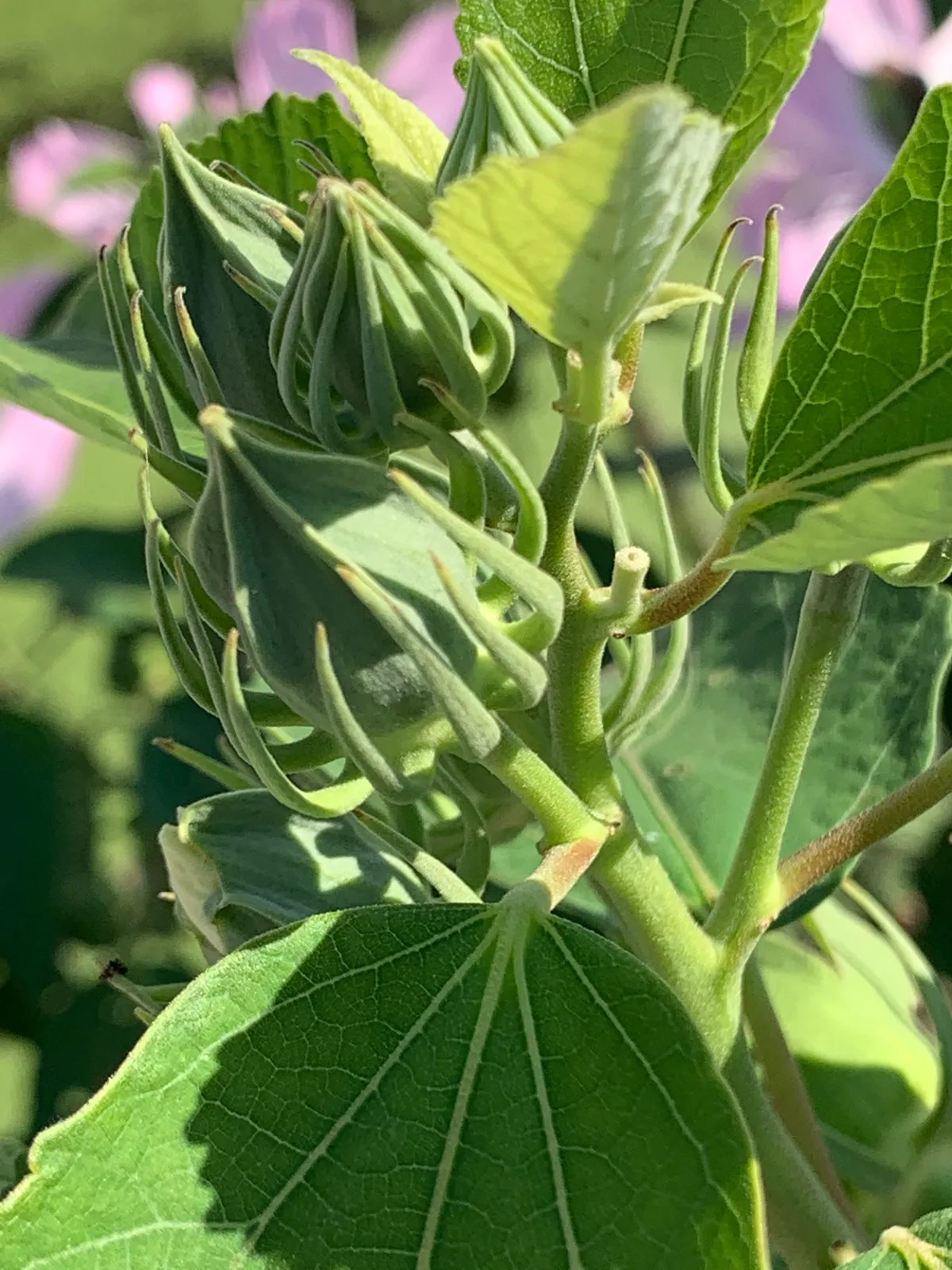
Carrot is not native to the United States. These natives fill a similar role in a planting, matched on bloom season, bloom color and mature size.
Before you buy
Your city may pay you to plant this
Cities and water utilities offer rebates for replacing lawn with native and water-wise plants. We track 459 programs across 44 states, each with a link to the provider and the date we last checked it.
Find rebates in your areaPicture natives in your own yard
Wondering what could grow where Carrot is now? Upload a photo of the spot and Patch Vision shows a rendering of it replanted with natives for your region.


Wild carrot is a biennial herb that produces delicate white flower clusters resembling Queen Anne's lace during summer months. This native plant grows 1-3 feet tall with feathery foliage and thrives in full sun with moderate water needs.
Growing Carrot
Grow Carrot in full sun and medium water. Mature plants reach 12 to 36 inches tall and spread 6 to 12 inches wide. Expect low maintenance to keep it looking intentional in a front yard.
How to care for Carrot, by region
How to care for Carrot where it is actually grown: year-round basics plus what to do each season, region by region, with the sources for each.
Care guidance last updated: September 2026
Eastern Corn Belt Plains (includes Columbus, OH)
Year-round
Wild carrot, also called Queen Anne's Lace, is the European ancestor of the garden carrot, and it is not native to Ohio, though it has naturalized across the state for well over a century. It is a biennial, spending its first year as a ferny low rosette and its second year putting up a tall stalk topped with flat white flower clusters. Around Columbus it grows easily in full sun and average to dry soil without much fuss.
- Give it full sun and well drained soil, it handles the clay and sandy soils common around Columbus.
- It grows as a low rosette the first year, then sends up a tall white flower cluster the second year before the plant dies back.
- Wear gloves when handling it in strong sunlight, the sap can irritate skin.
- It self seeds easily, so expect volunteer seedlings nearby if you let flower heads mature and drop seed.
- Not on the ASPCA toxic plant list for dogs, cats, or horses.
Fall
Through September and October around Columbus, wild carrot's flower clusters close up into a cupped bird's nest shape as seeds mature, then open again to release seed before the first fall frost. First year rosettes that germinated over summer stay low and green into fall. No fertilizing or extra care is needed heading into winter.
- Cut back drying seed heads before they open fully if you want to limit how many seedlings show up next year.
- Leave a few seed heads standing if you want to feed birds like goldfinches through fall.
- New rosettes from this year's seed will stay low and green through fall and into winter.
- No need to fertilize or mulch, the plant is used to average Ohio soil.
Cutting back the drying, browning seed heads in fall keeps stalks from looking scraggly in the front bed before winter.
Winter
Columbus winters are cold enough that wild carrot's second year flowering stalks finish out and die back after setting seed, while first year rosettes from this year's germination stay low and mostly green through the cold months. There is nothing to actively do for this plant in winter, it does not need protection, water, or fertilizer. It is a good time to plan which rosettes to keep or thin before spring growth picks up.
- No watering or fertilizing needed over winter, the plant is resting as a low rosette or already finished for the year.
- Cut down old dead flower stalks from last season whenever it is convenient over winter.
- First year rosettes usually stay low and green through a Columbus winter without protection.
- Use the quiet season to decide which rosettes to keep for next year's bloom and which to thin.
Cutting down old dead flower stalks sometime over winter keeps bare brown stems from being the main thing visible in the front bed until spring growth starts.
Spring
In the Columbus area, wild carrot rosettes green up in March and April as the ground thaws, and any plants in their second year begin bolting upward in May ahead of early summer bloom. Spring is also the easiest time to double check identification, since young rosettes can be confused with poison hemlock, which is toxic. Thin crowded rosettes now if you want a tidier stand once the tall flower stalks come up.
- Check young rosettes carefully in spring, poison hemlock looks similar but is toxic to people and pets.
- Thin crowded rosettes now so the bed is not overcrowded once second year plants bolt.
- Wear gloves if you are pulling or handling plants, spring sun plus the sap can irritate skin.
- Well drained spots handle Columbus spring rain better than heavy wet clay.
Thinning rosettes in spring keeps the bed looking tended before the tall flower stalks show up later in the season.
Summer
By June, second year wild carrot plants are in full bloom around Columbus, with flat white flower clusters that keep coming into September. The flowers are a steady draw for bees and butterflies, and the foliage is a caterpillar host plant for black swallowtail butterflies. Established plants handle Columbus summer heat and dry spells without extra watering.
- No need for supplemental watering once plants are established, they tolerate Columbus dry spells well.
- Leave some flower heads up if you want to support black swallowtail caterpillars, which feed on the foliage.
- Deadhead spent flower clusters before they dry and open into seed if you want fewer volunteer seedlings next year.
- Watch for green and black striped caterpillars on the leaves, they are black swallowtail caterpillars and not a pest to remove.
Deadheading spent flower heads before they turn brown keeps the planting looking intentional instead of weedy from the street.
Sources: Daucus carota, Native Plant Trust Go Botany, Carrot Flower (Daucus carota var. sativa), ASPCA Toxic and Non-Toxic Plants, Wild Carrot, Ohio State University Weed Guide, The Parsley Family Identification Guide, Ohioline (Ohio State University Extension), Poison Hemlock, ASPCA Toxic and Non-Toxic Plants, Black Swallowtail, Papilio polyxenes, Butterflies and Moths of North America
In an HOA neighborhood
Carrot takes more care to keep looking intentional in a front yard. Maintenance level: low. Consider it for backyard or mid-zone beds rather than the street edge.
Works well in: backyard only.
- Often considered a weed by conventional standards
- Can self-seed aggressively
- Dies back completely in winter leaving bare spots
Wildlife value
The white umbel flowers attract a diverse array of pollinators including native bees, beneficial beetles, and flies. Seeds provide food for birds while the foliage can host butterfly larvae.
Common questions
- When does Daucus carota bloom?
- Daucus carota blooms from June through August, producing distinctive flat-topped clusters of small white flowers.
- What pollinators visit Daucus carota?
- Daucus carota attracts a variety of pollinators including bees, beetles, and flies to its umbrella-shaped flower clusters.
- What growing conditions does Daucus carota prefer?
- This native plant grows best in full sun with medium water requirements, though it can tolerate some shade and drier conditions once established.
- Is Carrot toxic to dogs?
- Carrot is not on the ASPCA Animal Poison Control Center toxic plant list for dogs (aspca.org).
- Is Carrot toxic to cats?
- Carrot is not on the ASPCA Animal Poison Control Center toxic plant list for cats (aspca.org).
- Is Carrot HOA-friendly?
- Carrot takes more care to look intentional in a front yard. Consider it for backyard or mid-zone beds rather than the street edge.
These answers were drafted with an AI model from this plant's data. Verify care details with a local expert.
Pollinator and host plant associations compiled from GBIF, iNaturalist, and published ecological literature.
If something looks wrong
Common plant problems, and what to check first
These come up on almost any plant. Each guide lists the likely causes in the order they are worth ruling out, with one thing to check before you act on any of them, and links to the source it came from.
- It is dying right after planting
- Leaves turning yellow
- Wilting even though I watered it
- Brown crispy leaf tips
- Bugs on the plant
Ready to grow Carrot? Add it to your garden in Pollinator Patch to track it and get season-by-season care guidance.