Texas bluegrass
Poa arachnifera
Last reviewed: October 2026
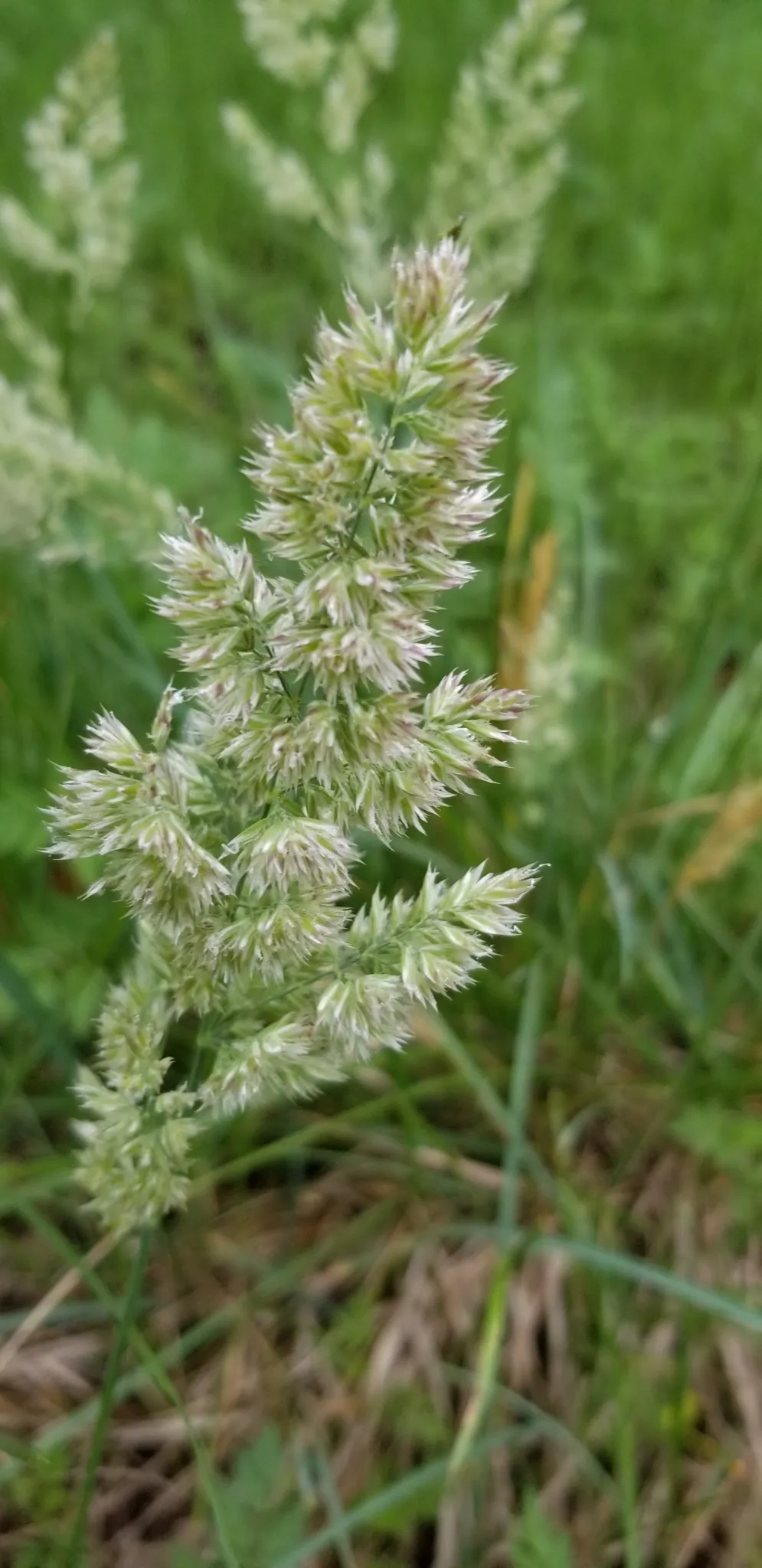
Texas bluegrass is a cool-season, sod-forming grass that thrives in full sun with low water needs, staying green through fall, winter and spring across warm-climate lawns and pastures.
Toxicity unknown
Texas bluegrass (Poa arachnifera) is not listed by the ASPCA Animal Poison Control Center (opens in new tab) or the other sources we check, so we have no verdict for it either way. Absence from those lists is not a clearance. If your pet shows symptoms after eating any plant, call the ASPCA at (888) 426-4435.
Light
full sun
Water
medium
Size
12"–24" H × 12"–18" W
Bloom
N/A
Native to
AL, AR, FL, GA and 10 more states
Before you buy
Your city may pay you to plant this
Cities and water utilities offer rebates for replacing lawn with native and water-wise plants. We track 458 programs across 44 states, each with a link to the provider and the date we last checked it.
Find rebates in your areaPicture natives in your own yard
Upload a photo of your yard and Patch Vision shows a rendering of it planted with natives for your region, like Texas bluegrass.


Browse plants for this ecoregion
A cool-season, sod-forming perennial grass that spreads by rhizomes to form a fine-textured turf. Greens up in cool weather and goes semi-dormant during peak summer heat, tolerating drought and poor soils once established.
Growing Texas bluegrass
Grow Texas bluegrass in full sun and medium water. Mature plants reach 12 to 24 inches tall and spread 12 to 18 inches wide. Expect low maintenance to keep it looking intentional in a front yard.
How to care for Texas bluegrass, by region
How to care for Texas bluegrass where it is actually grown: year-round basics plus what to do each season, region by region, with the sources for each.
Care guidance last updated: July 2026
Cross Timbers (includes Fort Worth, TX)
Year-round
Texas bluegrass is a native cool season grass that stays green through fall, winter, and spring, then goes dormant and turns brown in the hot summer months. That summer browning is normal, not a sign it is dying.
- It forms low tufted clumps 12 to 24 inches tall and spreads slowly by underground rhizomes, not aggressively like bermuda.
- It is native to the North Texas region in both the Cross Timbers and the Blackland Prairies, so it is adapted to local rainfall and soil once established.
- Give it full sun and let it dry between waterings. It is drought tolerant once established but appreciates occasional deep watering its first year.
- In heavy black clay, plant high on a slight mound or amend for drainage; in the sandier soils west of the metro it will need water more often through the first summer.
- Male and female flowers grow on separate plants, so fuzzy seed heads will only show up on some plants in a patch.
When mowed or trimmed as a lawn substitute or border, its neat tufted habit reads as an intentional groundcover rather than an unmown patch.
Fall
Cooler weather in fall wakes Texas bluegrass back up. Growth and green color return as temperatures drop.
- Growth resumes as soon as fall rains and cooler temperatures arrive, typically by October in North Texas.
- Fall is a second good planting window, after the worst summer heat has passed and before the mid November average first frost.
- Resume normal watering if rainfall is light; established plants recover their green color within a few weeks of the first good rain.
- No fertilizer is needed for an established stand; if soil looks depleted, a light fall feeding supports the return to active growth.
Winter
Texas bluegrass stays green through a typical North Texas winter, and only browns from a hard freeze, not from ordinary cold snaps.
- Foliage stays green through typical winter weather in zone 8a to 8b as long as some moisture is available.
- A hard freeze during a severe Arctic outbreak can brown the top growth temporarily; it typically regreens once temperatures moderate.
- No mowing is needed in winter, growth slows but does not stop the way it does in summer.
- Avoid walking heavily on the clumps during a hard freeze, frozen blades are more prone to damage.
Green winter color when neighboring warm season lawns have gone brown is one of this grass's most visible curb appeal advantages, worth pointing out if a neighbor asks about it.
Spring
Spring is Texas bluegrass's main growing season. It greens up quickly and this is when it flowers.
- Expect active growth and green color from March through May as temperatures warm before summer heat sets in.
- It flowers March through May with fluffy silvery seed heads 2 to 3 feet above the foliage. Mow for a tidy lawn-like look, or skip mowing to let the seed heads show.
- This is the best window to plant new starts so roots establish before summer dormancy.
- Water new plantings regularly through spring if rainfall is light; established clumps need little supplemental water.
A spring mow before the seed heads rise keeps a bluegrass patch reading as a tended lawn feature rather than an overgrown corner.
Summer
Texas bluegrass goes dormant and turns brown in the hot summer months. This is expected cool season behavior, not plant failure.
- Do not over water when it browns out in June through August; extra summer water will not keep it green and can encourage rot.
- Skip fertilizer during dormancy, the plant will not use it while inactive.
- First year plantings only still need occasional deep watering through the 100F stretch so young roots do not dry out completely.
- Established clumps need no summer mowing since growth has stopped.
A dormant brown patch of Texas bluegrass in July and August can look neglected to a passerby. Edging the bed cleanly or pairing it with a low evergreen border plant keeps the space reading intentional during dormancy.
Sources: Lady Bird Johnson Wildflower Center, Poa arachnifera plant profile, Texas A&M AgriLife Rangeland Plants, Texas Bluegrass
Texas Blackland Prairies (includes Dallas, TX)
Year-round
Texas bluegrass is a native cool season grass that stays green through fall, winter, and spring, then goes dormant and turns brown in the hot summer months. That summer browning is normal, not a sign it is dying.
- It forms low tufted clumps 12 to 24 inches tall and spreads slowly by underground rhizomes, not aggressively like bermuda.
- It is native to the North Texas region in both the Cross Timbers and the Blackland Prairies, so it is adapted to local rainfall and soil once established.
- Give it full sun and let it dry between waterings. It is drought tolerant once established but appreciates occasional deep watering its first year.
- In heavy black clay, plant high on a slight mound or amend for drainage; in the sandier soils west of the metro it will need water more often through the first summer.
- Male and female flowers grow on separate plants, so fuzzy seed heads will only show up on some plants in a patch.
When mowed or trimmed as a lawn substitute or border, its neat tufted habit reads as an intentional groundcover rather than an unmown patch.
Fall
Cooler weather in fall wakes Texas bluegrass back up. Growth and green color return as temperatures drop.
- Growth resumes as soon as fall rains and cooler temperatures arrive, typically by October in North Texas.
- Fall is a second good planting window, after the worst summer heat has passed and before the mid November average first frost.
- Resume normal watering if rainfall is light; established plants recover their green color within a few weeks of the first good rain.
- No fertilizer is needed for an established stand; if soil looks depleted, a light fall feeding supports the return to active growth.
Winter
Texas bluegrass stays green through a typical North Texas winter, and only browns from a hard freeze, not from ordinary cold snaps.
- Foliage stays green through typical winter weather in zone 8a to 8b as long as some moisture is available.
- A hard freeze during a severe Arctic outbreak can brown the top growth temporarily; it typically regreens once temperatures moderate.
- No mowing is needed in winter, growth slows but does not stop the way it does in summer.
- Avoid walking heavily on the clumps during a hard freeze, frozen blades are more prone to damage.
Green winter color when neighboring warm season lawns have gone brown is one of this grass's most visible curb appeal advantages, worth pointing out if a neighbor asks about it.
Spring
Spring is Texas bluegrass's main growing season. It greens up quickly and this is when it flowers.
- Expect active growth and green color from March through May as temperatures warm before summer heat sets in.
- It flowers March through May with fluffy silvery seed heads 2 to 3 feet above the foliage. Mow for a tidy lawn-like look, or skip mowing to let the seed heads show.
- This is the best window to plant new starts so roots establish before summer dormancy.
- Water new plantings regularly through spring if rainfall is light; established clumps need little supplemental water.
A spring mow before the seed heads rise keeps a bluegrass patch reading as a tended lawn feature rather than an overgrown corner.
Summer
Texas bluegrass goes dormant and turns brown in the hot summer months. This is expected cool season behavior, not plant failure.
- Do not over water when it browns out in June through August; extra summer water will not keep it green and can encourage rot.
- Skip fertilizer during dormancy, the plant will not use it while inactive.
- First year plantings only still need occasional deep watering through the 100F stretch so young roots do not dry out completely.
- Established clumps need no summer mowing since growth has stopped.
A dormant brown patch of Texas bluegrass in July and August can look neglected to a passerby. Edging the bed cleanly or pairing it with a low evergreen border plant keeps the space reading intentional during dormancy.
Sources: Lady Bird Johnson Wildflower Center, Poa arachnifera plant profile, Texas A&M AgriLife Rangeland Plants, Texas Bluegrass
In an HOA neighborhood
Texas bluegrass is an HOA-friendly choice. Maintenance level: low. Tidiness: 3 out of 5.
Works well in: front yard, foundation, street edge, mid zone.
- goes semi-dormant and browns during peak summer heat without supplemental water
Wildlife value
Provides low-growing cover and forage; wind-pollinated flowers offer little nectar value to pollinators.
Common questions
- How much sun does Texas bluegrass need?
- Texas bluegrass grows best in full sun and can also handle part sun, particularly during its active cool-season growth in fall, winter and spring.
- How much water does established Texas bluegrass need?
- Once established, it needs very little supplemental watering and generally relies on seasonal rainfall, though light irrigation during long dry spells helps it stay green.
- When is Texas bluegrass actively growing?
- It is a cool-season grass, so it grows most vigorously from fall through spring and slows down or goes semi-dormant during hot summer weather.
- What is Texas bluegrass typically used for?
- It has long been planted as a winter-green lawn and pasture grass in warmer regions, valued for staying green when many warm-season grasses go dormant.
- Is Texas bluegrass HOA-friendly?
- Texas bluegrass is generally an HOA-friendly choice in the right placement, with low maintenance.
These answers were drafted with an AI model from this plant's data. Verify care details with a local expert.
Native range data from the World Checklist of Vascular Plants (Kew). Pollinator and host plant associations compiled from GBIF, iNaturalist, and published ecological literature.
If something looks wrong
Common plant problems, and what to check first
These come up on almost any plant. Each guide lists the likely causes in the order they are worth ruling out, with one thing to check before you act on any of them, and links to the source it came from.
- It is dying right after planting
- Leaves turning yellow
- Wilting even though I watered it
- Brown crispy leaf tips
- Bugs on the plant
Ready to grow Texas bluegrass? Add it to your garden in Pollinator Patch to track it and get season-by-season care guidance.