Alabama Lipfern
Cheilanthes alabamensis
Last reviewed: November 2026
Watering reminders and freeze alerts for Alabama Lipfern, free in the app.


Toxicity unknown
Alabama Lipfern (Cheilanthes alabamensis) is not listed by the ASPCA Animal Poison Control Center (opens in new tab) or the other sources we check, so we have no verdict for it either way. Absence from those lists is not a clearance. If your pet shows symptoms after eating any plant, call the ASPCA at (888) 426-4435.
Light
part sun
Water
low
Size
24"–60" H × 12"–24" W
Bloom
N/A
Native to
AL, AR, AZ, FL and 12 more states
Before you buy
Your city may pay you to plant this
Cities and water utilities offer rebates for replacing lawn with native and water-wise plants. We track 461 programs across 44 states, each with a link to the provider and the date we last checked it.
Find rebates in your areaPicture natives in your own yard
Upload a photo of your yard and Patch Vision shows a rendering of it planted with natives for your region, like Alabama Lipfern.
Browse plants for this ecoregion
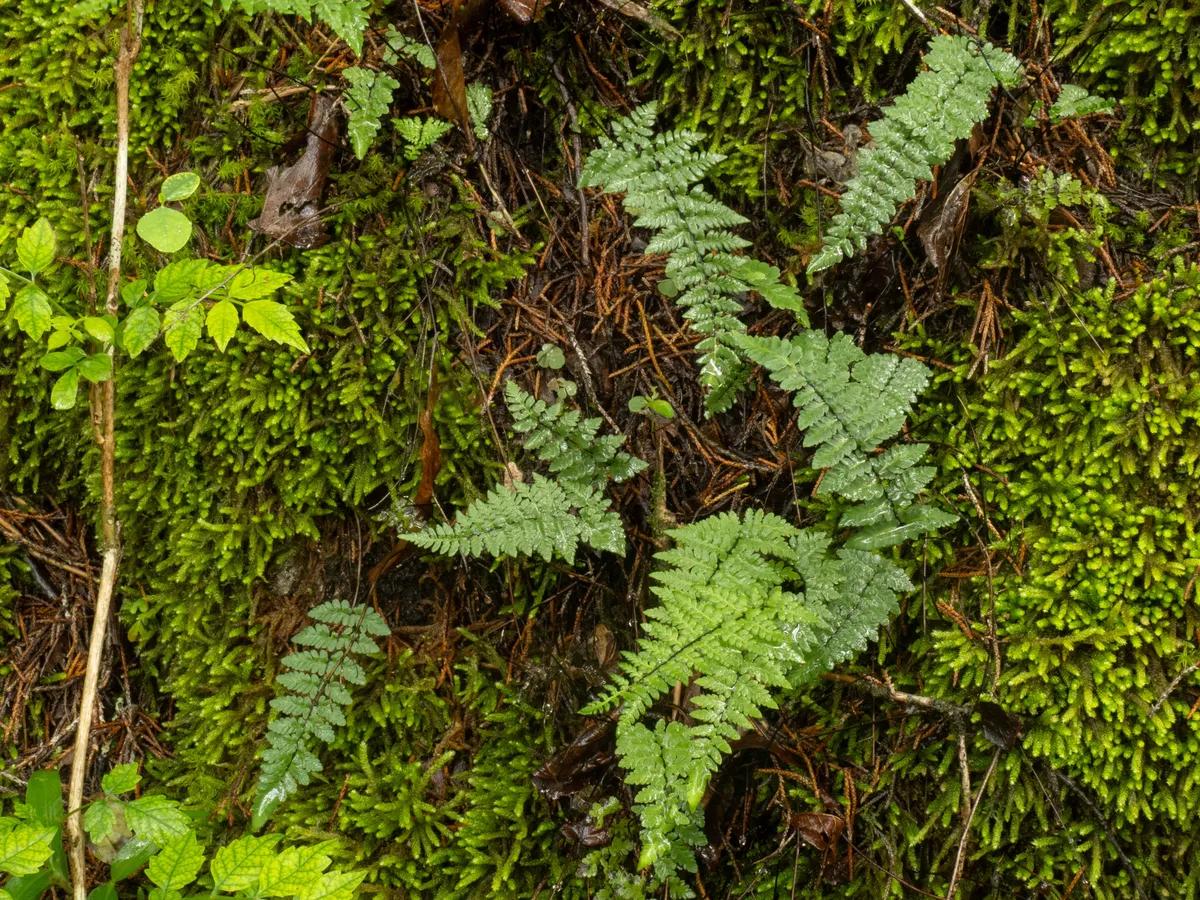
Alabama Lipfern is a drought-tolerant native fern that forms attractive clumps with delicate, lacy fronds. This semi-evergreen perennial thrives in partial sun and rocky or well-drained soils, making it ideal for challenging garden spots. Its compact size and refined texture add elegant greenery to landscapes year-round.
How to care for Alabama Lipfern, by region
How to care for Alabama Lipfern where it is actually grown: year-round basics plus what to do each season, region by region, with the sources for each.
Care guidance last updated: July 2026
Texas Blackland Prairies (includes Dallas, TX)
Year-round
Alabama lipfern is a small clump-forming rock fern that likes sharp drainage, part to full shade, and lean, limey soil. Once its roots are set it wants very little from you. The biggest killer in the Dallas area is wet feet in heavy clay, so raise it and grit the soil.
- Establishment: plant in part to full shade in fast-draining, gritty soil. If you have Blackland clay, mix in decomposed granite or crushed limestone and set the crown slightly high so water never sits on it.
- Watering once established: water deeply only when the top inch or two is dry. This is a limestone-ledge fern that handles dry shade far better than soggy ground, so err toward less.
- Mulch: a thin layer of gravel or a light leaf mulch keeps the crown cool and the soil evenly damp. Keep mulch off the center of the clump so it does not rot.
- Common mistakes: overwatering, planting in full afternoon sun, and burying the crown in rich, moisture-holding soil. All three cause crown rot or scorch.
Fall
Fall is easy. As nights cool in the Dallas area the fern slows down. Leave fallen leaves light around it and taper off watering.
- Cut back watering as temperatures drop and rains return. The plant needs much less now.
- Let a light scatter of fallen tree leaves stay around the base as natural mulch, but brush any heavy pile off the center of the clump so the crown can breathe.
- Do not cut the plant down in fall. It holds its fronds into winter in many Dallas-area winters, so leave them be.
Winter
This fern is cold hardy well below Dallas winter lows, so it needs almost nothing now. In a mild winter it stays semi-evergreen; in a hard freeze it may brown back and return in spring.
- Leave the fronds standing through winter. Even if a hard freeze browns them, wait until spring to trim rather than cutting now.
- Water only during a long, dry, warm winter stretch, and only lightly. Do not water going into a hard freeze on already-moist soil.
- Make sure winter rain drains away from the crown. Standing cold water is the one thing that can rot this rock fern.
Leaving the fronds up over winter gives a tidy green or tan silhouette that reads as an intentional planting, which keeps a front-yard bed looking cared for and lowers the chance of a violation letter.
Spring
Spring is cleanup and new-growth time in the Dallas area. Trim off any fronds that got tattered or browned over winter so the fresh croziers can come up clean.
- Once new growth starts pushing in March, snip off dead or ragged fronds from last year at the base with clean scissors.
- Give one deep soak if spring rains are light, then let it dry between waterings. Do not fertilize heavily; a very light feeding at most is plenty for this lean-soil fern.
- Refresh a thin gravel or leaf mulch layer, keeping it clear of the crown.
Clearing the winter-browned fronds in early spring reads as intentional and tended, which keeps a front-yard planting looking cared for and avoids the untidy look that can prompt a violation letter.
Summer
Dallas summers are hot and dry, and this fern handles it better than most as long as it is in shade. Your main job is a little supplemental water during long dry spells, not constant watering.
- During extended heat with no rain, water deeply about once a week if the fronds look limp or the soil is bone dry a couple inches down. In cooler, damper stretches skip it entirely.
- Keep it out of hot afternoon sun. Morning sun with afternoon shade, or bright open shade, keeps the fronds from scorching in Dallas heat.
- If fronds curl or brown in a heat wave, that is often self-protection. Do not respond by drowning it; a deep soak after the peak heat passes is enough.
Sources: Lady Bird Johnson Wildflower Center Cheilanthes alabamensis, Native Plant Society of Texas Cheilanthes alabamensis, Shoot Gardening Cheilanthes alabamensis hardiness and care
In an HOA neighborhood
Alabama Lipfern takes more care to keep looking intentional in a front yard. Maintenance level: low. Consider it for backyard or mid-zone beds rather than the street edge.
Works well in: backyard only.
- Insufficient data for HOA assessment
- Default conservative
Wildlife value
As a fern, this plant does not produce flowers for pollinators but provides shelter and nesting material for small wildlife. The dense fronds offer protective cover for beneficial insects and small creatures.
Common questions
- How much sun does Alabama Lipfern need?
- Alabama Lipfern grows best in part sun conditions.
- Where is Alabama Lipfern native?
- Alabama Lipfern (Cheilanthes alabamensis) is native to AL, AR, AZ, FL and 12 more states, per the World Checklist of Vascular Plants (Kew).
- Is Alabama Lipfern HOA-friendly?
- Alabama Lipfern takes more care to look intentional in a front yard. Consider it for backyard or mid-zone beds rather than the street edge.
Native range data from the World Checklist of Vascular Plants (Kew). Pollinator and host plant associations compiled from GBIF, iNaturalist, and published ecological literature.
If something looks wrong
Common plant problems, and what to check first
These come up on almost any plant. Each guide lists the likely causes in the order they are worth ruling out, with one thing to check before you act on any of them, and links to the source it came from.
- It is dying right after planting
- Leaves turning yellow
- Wilting even though I watered it
- Brown crispy leaf tips
- Bugs on the plant
Ready to grow Alabama Lipfern? Add it to your garden in the Pollinator Patch App to track it and get season-by-season care guidance.