Purple Nightshade
Solanum xanti
Last reviewed: October 2026
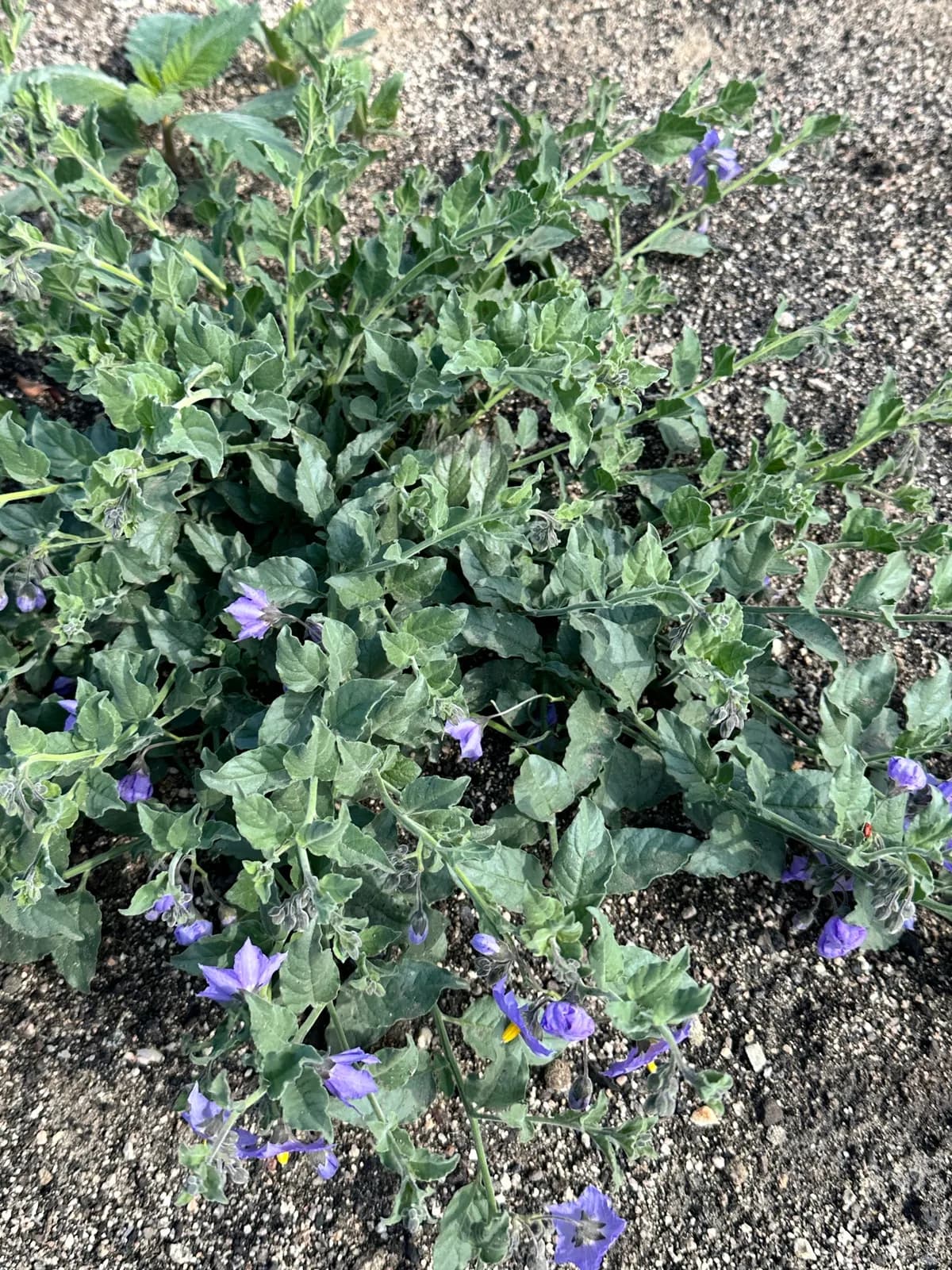
Solanum xanti, or Catalina nightshade, is a low water chaparral shrub that blooms lavender to purple flowers from April through July in full sun to part shade gardens.
Purple Nightshade is toxic to dogs and cats.
Listed as toxic by the ASPCA Animal Poison Control Center (opens in new tab) (last reviewed 2026-05-21). If your pet has been exposed, call the ASPCA Animal Poison Control Center at (888) 426-4435 and your veterinarian's emergency line.
Pollinator Patch flags toxic plants so you can choose a pet-safe native alternative for your yard.
Native swaps for a yard with pets
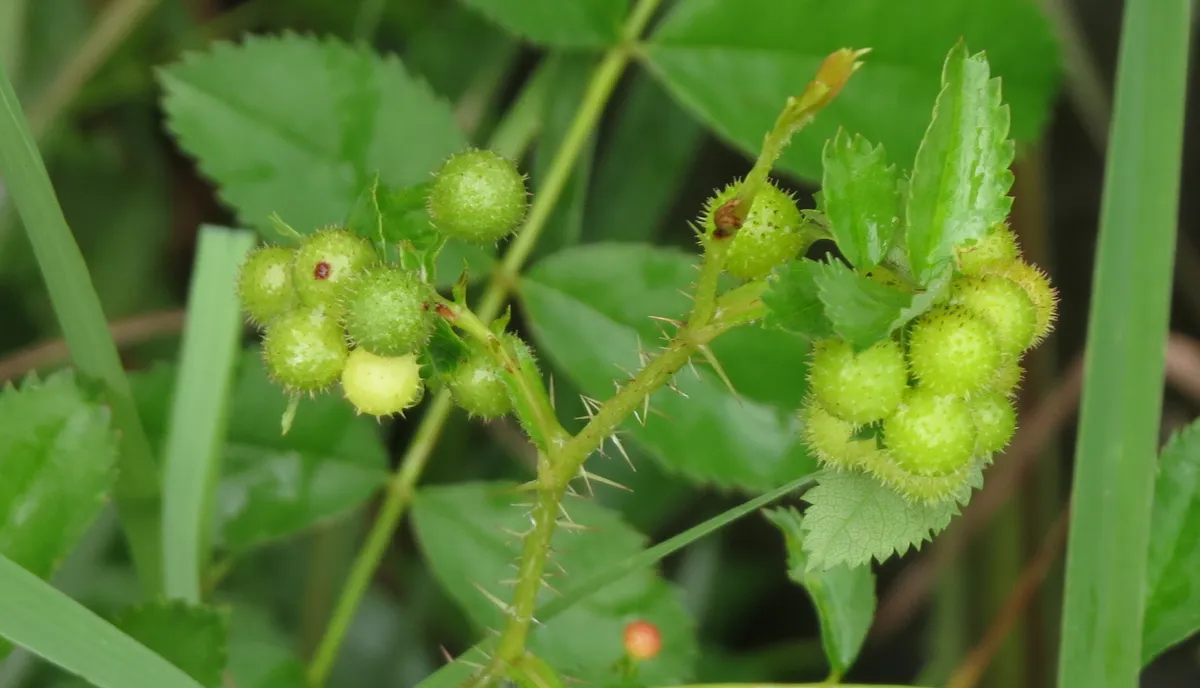
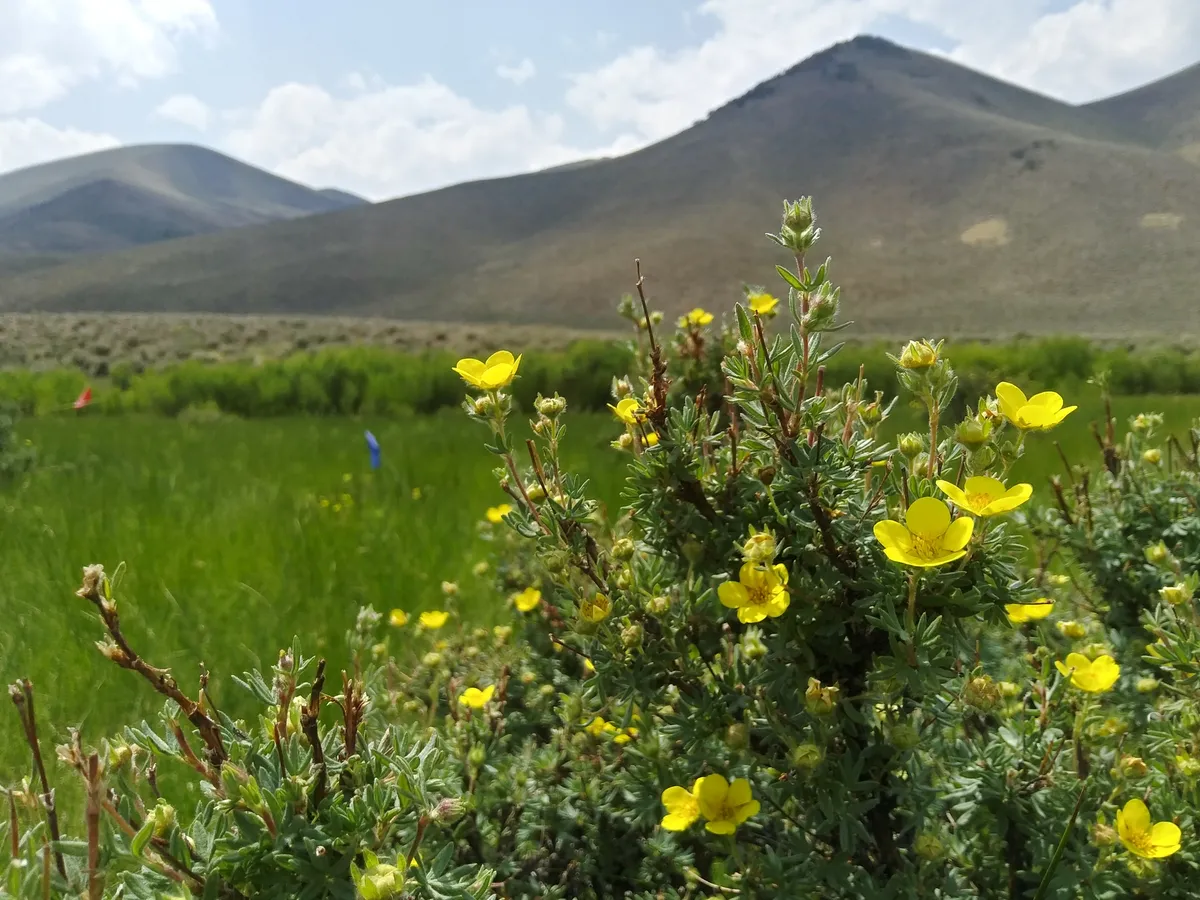
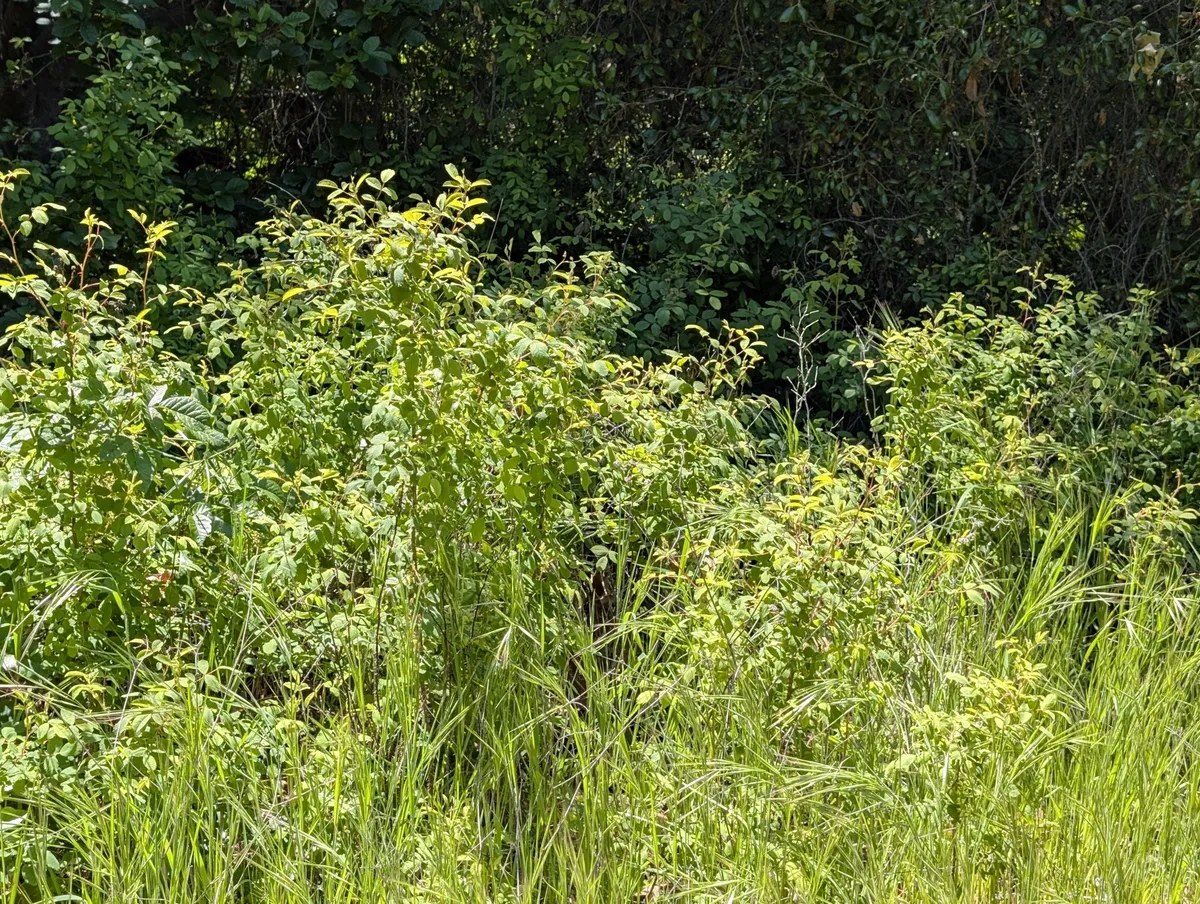
Purple Nightshade is listed as toxic to dogs by the ASPCA Animal Poison Control Center. These natives fill a similar role in a planting and are not on the ASPCA toxic plant list for dogs or cats. Each plant's page carries its dated record.
Light
full sun
Water
low
Size
24"–60" H × 24"–48" W
Bloom
Apr, May, Jun, Jul
Native to
AZ, CA
Pollinators
bees, butterflies
Before you buy
Your city may pay you to plant this
Cities and water utilities offer rebates for replacing lawn with native and water-wise plants. We track 459 programs across 44 states, each with a link to the provider and the date we last checked it.
Find rebates in your areaPicture natives in your own yard
Upload a photo of your yard and Patch Vision shows a rendering of it planted with natives for your region, like Purple Nightshade.


Browse plants for this ecoregion
Catalina nightshade is an attractive native shrub with purple-blue star-shaped flowers that bloom spring through summer. It features evergreen foliage with velvety leaves and grows into a rounded form 2-5 feet tall. This drought-tolerant perennial works well in borders or as a foundation plant.
Growing Purple Nightshade
Grow Purple Nightshade in full sun and low water. Mature plants reach 24 to 60 inches tall and spread 24 to 48 inches wide. Expect moderate maintenance to keep it looking intentional in a front yard.
In an HOA neighborhood
Purple Nightshade is an HOA-friendly choice. Maintenance level: moderate. Tidiness: 3 out of 5.
Works well in: foundation, mid zone.
- Member of the nightshade family which some HOAs may question
- Can look somewhat informal or wild without periodic pruning
- May need to be kept away from high-visibility areas
Wildlife value
The bright flowers attract native bees and butterflies, making it an excellent pollinator plant. Birds may also be drawn to the small berries that follow flowering.
Common questions
- When does Solanum xanti bloom?
- Catalina nightshade typically flowers from April through July, producing clusters of star shaped purple blooms on its stems.
- What pollinators visit Solanum xanti flowers?
- Bees and butterflies are the main visitors to Catalina nightshade flowers, drawn to the open purple blossoms during the spring and summer bloom period.
- How much water does Catalina nightshade need?
- This shrub is adapted to low water conditions once established and does best with infrequent irrigation, similar to other chaparral and coastal scrub plants.
- What growing conditions suit Solanum xanti best?
- Catalina nightshade grows well in full sun to partly shaded sites with well drained soil, often on dry slopes and open chaparral or woodland edges.
- Is Purple Nightshade toxic to dogs?
- Yes. Purple Nightshade is listed as toxic to dogs by the ASPCA Animal Poison Control Center (aspca.org). If your pet has been exposed, call the ASPCA Animal Poison Control Center at (888) 426-4435.
- Is Purple Nightshade toxic to cats?
- Yes. Purple Nightshade is listed as toxic to cats by the ASPCA Animal Poison Control Center (aspca.org). If your cat has been exposed, call the ASPCA Animal Poison Control Center at (888) 426-4435.
- Is Purple Nightshade HOA-friendly?
- Purple Nightshade is generally an HOA-friendly choice in the right placement, with moderate maintenance.
These answers were drafted with an AI model from this plant's data. Verify care details with a local expert.
Native range data from the World Checklist of Vascular Plants (Kew). Pollinator and host plant associations compiled from GBIF, iNaturalist, and published ecological literature.
If something looks wrong
Common plant problems, and what to check first
These come up on almost any plant. Each guide lists the likely causes in the order they are worth ruling out, with one thing to check before you act on any of them, and links to the source it came from.
- It is dying right after planting
- Leaves turning yellow
- Wilting even though I watered it
- Brown crispy leaf tips
- Bugs on the plant
Pollinator Patch flags toxic plants like Purple Nightshade and shows pet-safe natives for your ecoregion instead.