Cluster fescue
Festuca paradoxa
Last reviewed: September 2026
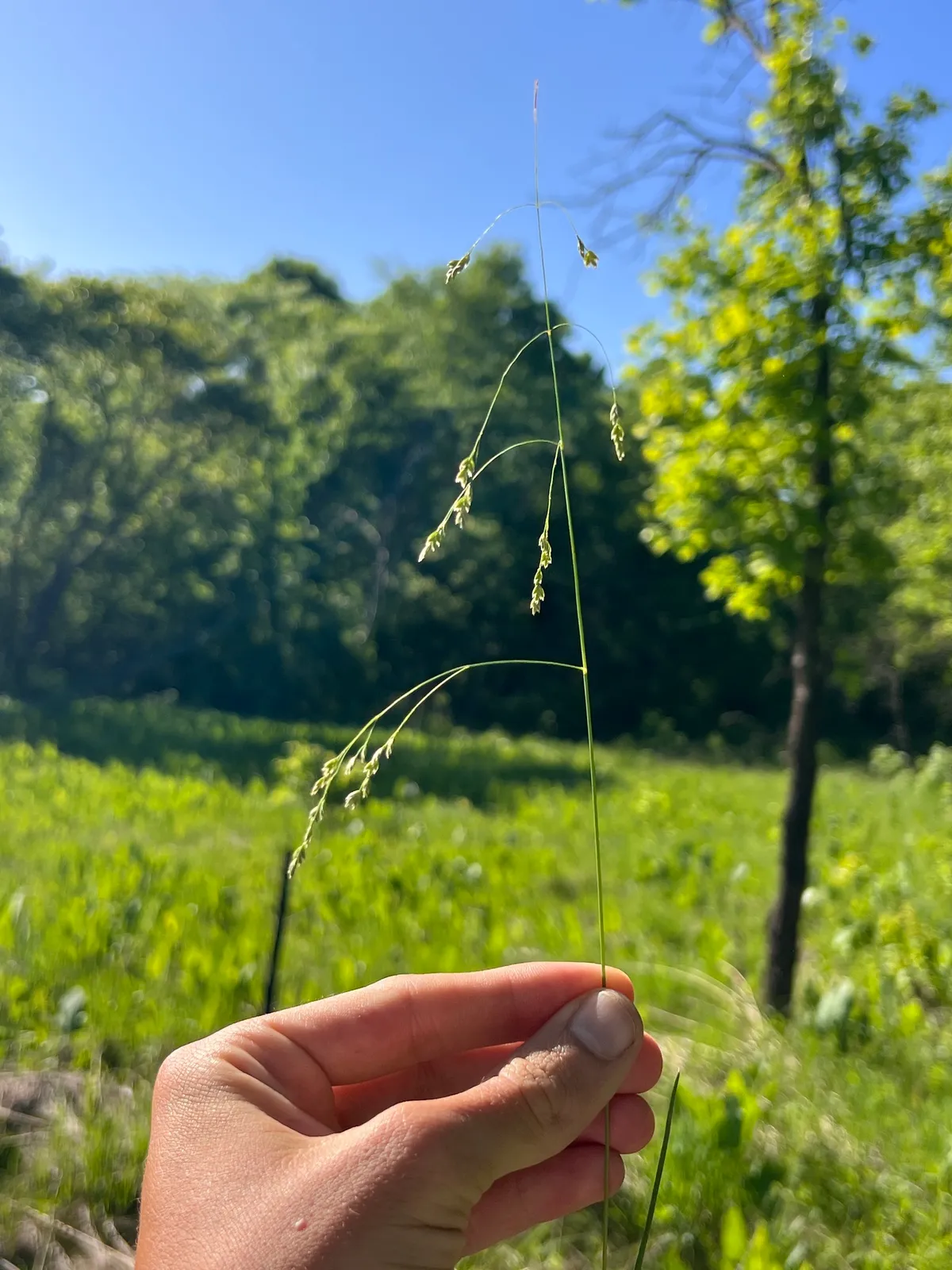
Cluster fescue (Festuca paradoxa) is a perennial grass native to AL, AR, DC, DE and 18 more states. It blooms in May and June.
Toxicity unknown
Cluster fescue (Festuca paradoxa) is not listed by the ASPCA Animal Poison Control Center (opens in new tab) or the other sources we check, so we have no verdict for it either way. Absence from those lists is not a clearance. If your pet shows symptoms after eating any plant, call the ASPCA at (888) 426-4435.
Light
full sun
Water
medium
Size
24"–36" H × 12"–18" W
Bloom
May, Jun
Native to
AL, AR, DC, DE and 18 more states
Before you buy
Your city may pay you to plant this
Cities and water utilities offer rebates for replacing lawn with native and water-wise plants. We track 458 programs across 44 states, each with a link to the provider and the date we last checked it.
Find rebates in your areaBrowse plants for this ecoregion
A clump-forming, cool-season bunchgrass with fine, arching blue-green foliage and slender open seed clusters, found in mesic to dry prairies and open woods.
Growing Cluster fescue
Grow Cluster fescue in full sun and medium water. Mature plants reach 24 to 36 inches tall and spread 12 to 18 inches wide.
How to care for Cluster fescue, by region
How to care for Cluster fescue where it is actually grown: year-round basics plus what to do each season, region by region, with the sources for each.
Care guidance last updated: September 2026
Ouachita Mountains (includes Hot Springs, AR)
Year-round
Cluster fescue is a clump forming, cool season bunchgrass, not a spreading type, so it stays put where you plant it. It fits the rocky, wooded terrain around Hot Springs well, since it naturally grows on rocky slopes, glades, and open woodland edges. It is state listed native to Arkansas, and the Lady Bird Johnson Wildflower Center's own range data for this species includes Arkansas.
- Grows in a tight clump 3 to 4 feet tall with no spreading rhizomes
- Tolerates full sun down to about half day shade
- Prefers wet to medium moisture soil and adapts well to rocky or wooded sites
- Cool season growth pattern, most active in fall through spring, slower in summer heat
Fall
Cooler fall weather restarts active growth for this cool season grass. The Lady Bird Johnson Wildflower Center lists September and October as its bloom time, when 3 to 4 foot seed stalks rise above the clump.
- Seed stalks rise well above the foliage in September and October
- Once spent seed stalks turn brown and shaggy, cut them back to the base clump
- Fall's cooler weather is a good window to divide and transplant established clumps
- No fertilizer needed since growth resumes on its own as temperatures drop
Cutting the spent fall seed stalks back to the clump keeps a front yard planting looking intentional care, not neglect.
Winter
Cluster fescue holds a defined clump shape through winter instead of sprawling. Its native range reaches into colder states like Wisconsin, Iowa, and Minnesota, so it handles Ouachita Mountain winters without extra protection.
- Leave the dried winter clump standing through most of the season for a tidy, defined silhouette
- Cut the whole clump back to a few inches right before new spring growth starts, usually late winter
- No mulch or winter cover needed given its native range into colder northern states
- A clean late winter cutback keeps the bed looking maintained through the dormant months
A clean late winter cutback of the dried clump reads as HOA-friendly maintenance, not overgrowth.
Spring
Spring is the main active growth window for this cool season grass, so expect the clump to fill out with new blades. It does not need turf grade fertility, so skip high nitrogen lawn fertilizer.
- Trim off any winter damaged blades once new spring growth starts
- Avoid high nitrogen fertilizer, which can make the clump floppy and open in the middle
- Good time to weed around the base while the clump is filling in
- No extra watering needed beyond normal spring rainfall on a wet to medium moisture site
Summer
Hot Springs summers run hot for a cool season grass like this one, so it will slow down and look less lush in July and August. That is normal seasonal slowdown, not a sign the plant is dying.
- Water only if the site is naturally wet to medium moisture and rain has been scarce for weeks
- Afternoon shade helps, a Forest Service shade trial found this species grows well under both full sun and about half shade
- Do not mow or shear it in summer, cutting a heat stressed cool season clump can weaken it
- Skip fertilizer during the summer slowdown
Sources: Lady Bird Johnson Wildflower Center, Native Plant Database: Festuca paradoxa (Clustered fescue), University of Tennessee Extension, Tennessee Smart Yards plant profile: Festuca paradoxa, USDA Forest Service Research and Development, Cluster fescue: A multipurpose native cool season grass, USDA Forest Service Research and Development, Shade Tolerance of Festuca paradoxa Desv., a Cool Season Grass Native to North America
Wildlife value
Seeds provide food for birds, and the dense clump offers nesting cover for ground-dwelling insects.
Common questions
- How much sun does Cluster fescue need?
- Cluster fescue grows best in full sun conditions.
- When does Cluster fescue bloom?
- Cluster fescue blooms in May and June.
- Where is Cluster fescue native?
- Cluster fescue (Festuca paradoxa) is native to AL, AR, DC, DE and 18 more states, per the World Checklist of Vascular Plants (Kew).
Native range data from the World Checklist of Vascular Plants (Kew). Pollinator and host plant associations compiled from GBIF, iNaturalist, and published ecological literature.
If something looks wrong
Common plant problems, and what to check first
These come up on almost any plant. Each guide lists the likely causes in the order they are worth ruling out, with one thing to check before you act on any of them, and links to the source it came from.
- It is dying right after planting
- Leaves turning yellow
- Wilting even though I watered it
- Brown crispy leaf tips
- Bugs on the plant
Ready to grow Cluster fescue? Add it to your garden in Pollinator Patch to track it and get season-by-season care guidance.