Early wild rye
Elymus macgregorii
Last reviewed: September 2026
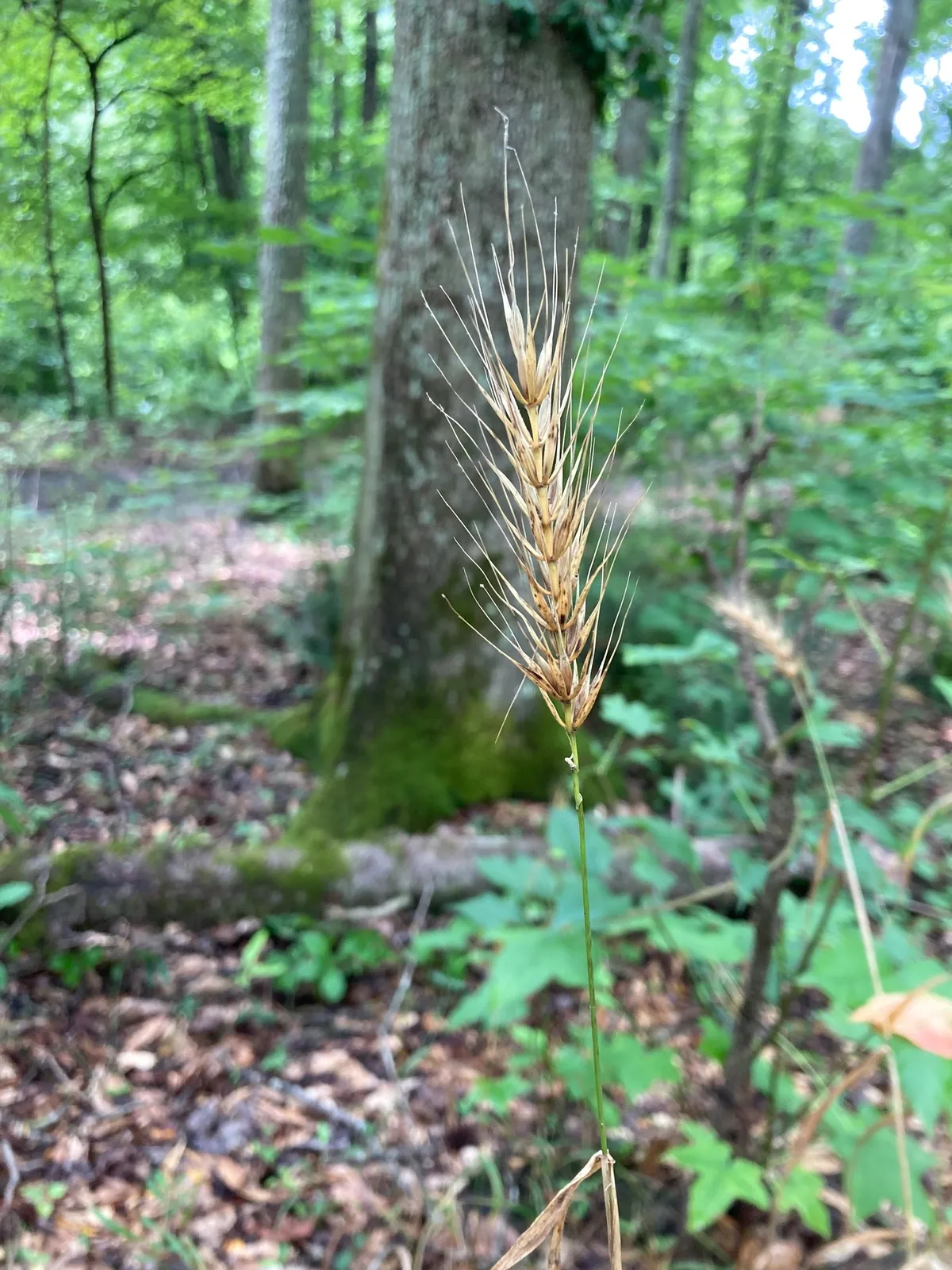
Early wild rye (Elymus macgregorii) is a perennial grass native to AL, AR, CT, DC and 30 more states. It blooms in April and May.
Toxicity unknown
Early wild rye (Elymus macgregorii) is not listed by the ASPCA Animal Poison Control Center (opens in new tab) or the other sources we check, so we have no verdict for it either way. Absence from those lists is not a clearance. If your pet shows symptoms after eating any plant, call the ASPCA at (888) 426-4435.
Light
part shade
Water
medium
Size
24"–36" H × 12"–18" W
Bloom
Apr, May
Native to
AL, AR, CT, DC and 30 more states
Before you buy
Your city may pay you to plant this
Cities and water utilities offer rebates for replacing lawn with native and water-wise plants. We track 458 programs across 44 states, each with a link to the provider and the date we last checked it.
Find rebates in your areaBrowse plants for this ecoregion
Cool-season bunchgrass with arching seed heads that flower earlier in spring than most native wildryes. Found along woodland edges and in open rocky woods.
Growing Early wild rye
Grow Early wild rye in part shade and medium water. Mature plants reach 24 to 36 inches tall and spread 12 to 18 inches wide.
How to care for Early wild rye, by region
How to care for Early wild rye where it is actually grown: year-round basics plus what to do each season, region by region, with the sources for each.
Care guidance last updated: September 2026
Ouachita Mountains (includes Hot Springs, AR)
Year-round
Early wildrye is documented as native to Arkansas by the Lady Bird Johnson Wildflower Center, and it fits into the partly shaded, richer bottomland edges found along Ouachita Mountain streams and forest openings near Hot Springs. It grows as an upright clumping bunchgrass rather than a spreader, and it greens up earlier in the year than most other wild rye species. Much of the Ouachita Mountains has thinner, more acidic sandstone derived soil than the calcium rich ground this grass favors elsewhere in its range, so it does best in the deepest, richest soil pocket on a property rather than thin rocky upland ground.
- Plant in part sun to light shade, matching the forest edge and floodplain habitat it grows in naturally
- Look for the deepest, richest soil available, such as a low spot near a downspout or an old garden bed, rather than thin rocky ground
- Space clumps about 18 to 24 inches apart since it grows as an upright bunch, not a spreading groundcover
- Water new plantings regularly through the first growing season while the root system establishes
Fall
Fall is when the seed stalks dry down to a tan color and the clump starts settling in for winter dormancy. Leaving the dried foliage standing through fall keeps shelter available for overwintering insects, and this species puts more energy into its root system and less into seed than other wild ryes, so it stays clump forming instead of spreading.
- Let the dried tan seed stalks stand through fall rather than cutting back yet
- This grass invests more in its roots and less in seed than other wild ryes, so it holds its clump shape
- A light, defined edge around the bed keeps the planting looking tended while the grass itself is left alone
- Rake fallen tree leaves out from around the crown so the base does not stay wet through fall rains
Leaving the dried seed stalks up through fall with a clean edge around the bed reads as intentional winter interest, not neglect.
Winter
Winter is when the dried, upright stalks give this grass its most visible structure in the yard, and light snow or ice can bend the foliage without harming the crown underneath. Cut the whole clump back to a few inches above the ground in late winter, right before new spring growth starts, rather than in fall or midwinter.
- Cut the clump back to about 4 to 6 inches above ground in late February or March
- Cutting earlier removes winter shelter for insects and the standing structure the dried stalks provide
- Cut before new green blades emerge so you do not shear off the new growth by mistake
- Rake or compost the cut material rather than leaving a pile of thatch over the crown
A clean late-winter cutback right before new growth starts reads as intentional garden care rather than an overgrown bed, which helps avoid it looking like an HOA violation during the bare winter months.
Spring
Spring is this grass's main growing season. It flowers earliest of the wild ryes, typically in May and June, so new plantings or divisions go in the ground in early spring to take advantage of cool, moist conditions before summer heat arrives.
- Expect flowering seed stalks in May and early June, ahead of most other wild rye species
- Divide or transplant clumps while the soil is still cool and moist, typically March or April
- New plantings in shade can look thin at first, this grass fills in over its second and third year
- Skip fertilizer, it is adapted to lean, unimproved woodland soil
Summer
Once established, this grass handles an Arkansas summer without much intervention, but a spot with full sun and thin, dry soil can stress it since it naturally grows in the moist, partly shaded understory of bottomland forests. A deep soak during extended dry stretches works better than frequent light watering.
- Water deeply during dry spells longer than two to three weeks, rather than daily light sprinkling
- Afternoon shade helps protect it in the hottest, most exposed parts of a yard
- Seed heads ripen and drop through summer, thinning foliage now is normal and not a sign of disease
- Keep mulch a few inches back from the base so the crown does not stay constantly wet
Sources: Lady Bird Johnson Wildflower Center, Elymus macgregorii native range and distribution, bplant.org, Early Wildrye habitat and soil notes (community tip), Iowa State University Extension, Summer Dormancy in Cool-Season Lawns, University of Florida IFAS Extension, Prune Grass with Class
Wildlife value
Seeds provide food for songbirds; foliage offers early-season cover for ground-nesting wildlife.
Common questions
- How much sun does Early wild rye need?
- Early wild rye grows best in part shade conditions.
- When does Early wild rye bloom?
- Early wild rye blooms in April and May.
- Where is Early wild rye native?
- Early wild rye (Elymus macgregorii) is native to AL, AR, CT, DC and 30 more states, per the World Checklist of Vascular Plants (Kew).
Native range data from the World Checklist of Vascular Plants (Kew). Pollinator and host plant associations compiled from GBIF, iNaturalist, and published ecological literature.
If something looks wrong
Common plant problems, and what to check first
These come up on almost any plant. Each guide lists the likely causes in the order they are worth ruling out, with one thing to check before you act on any of them, and links to the source it came from.
- It is dying right after planting
- Leaves turning yellow
- Wilting even though I watered it
- Brown crispy leaf tips
- Bugs on the plant
Ready to grow Early wild rye? Add it to your garden in Pollinator Patch to track it and get season-by-season care guidance.