Sandy Bluebonnet
Lupinus subcarnosus
Last reviewed: November 2026
Watering reminders and freeze alerts for Sandy Bluebonnet, free in the app.


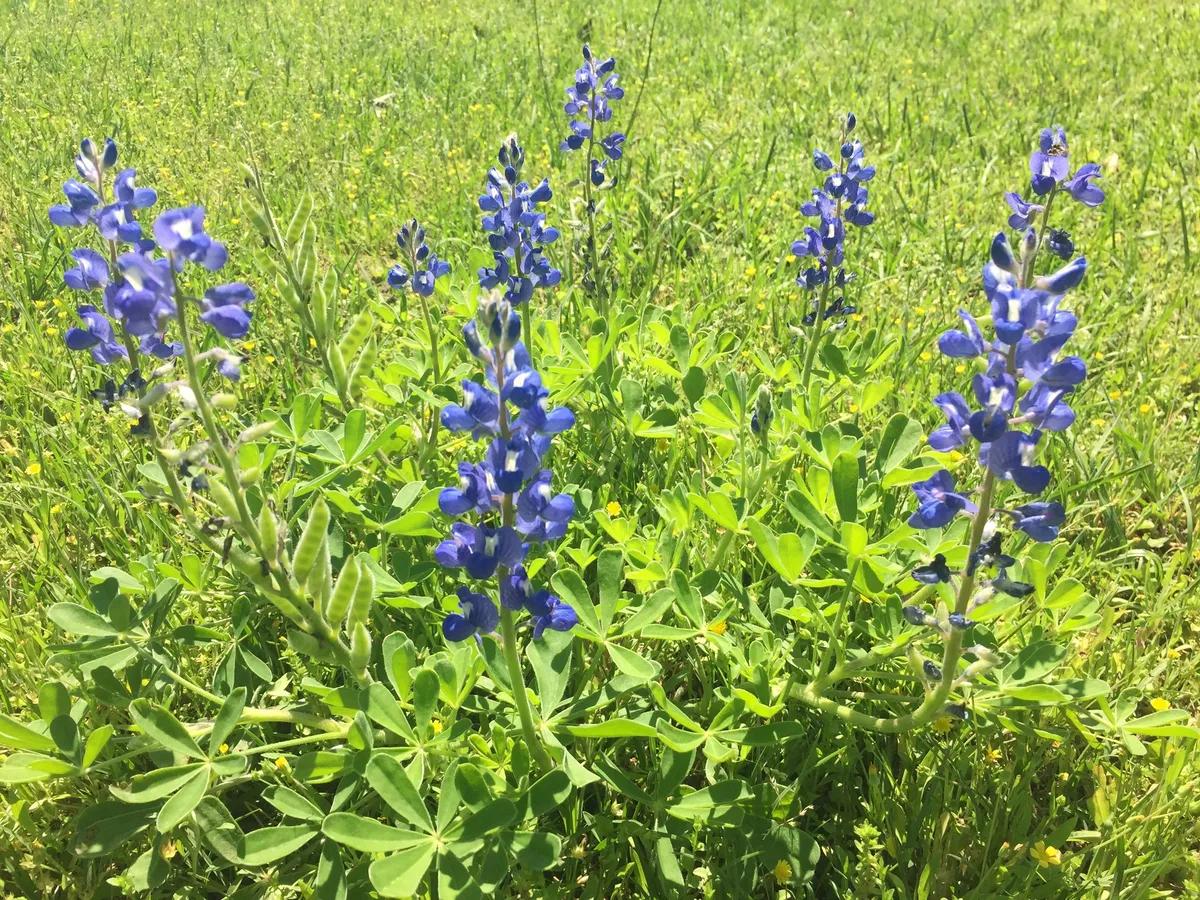
Sandy Bluebonnet is toxic to dogs and cats.
Listed as toxic by the Lady Bird Johnson Wildflower Center (NPIN) (opens in new tab) (last reviewed 2026-08-20). If your pet has been exposed, call the ASPCA Animal Poison Control Center at (888) 426-4435 and your veterinarian's emergency line.
The Pollinator Patch App flags toxic plants so you can choose a native alternative that is not on the ASPCA toxic plant list.
Native swaps for a yard with pets
Sandy Bluebonnet is listed as toxic to dogs by the Lady Bird Johnson Wildflower Center (NPIN). These natives fill a similar role in a planting and are not on the ASPCA toxic plant list for dogs or cats. Each plant's page carries its dated record.
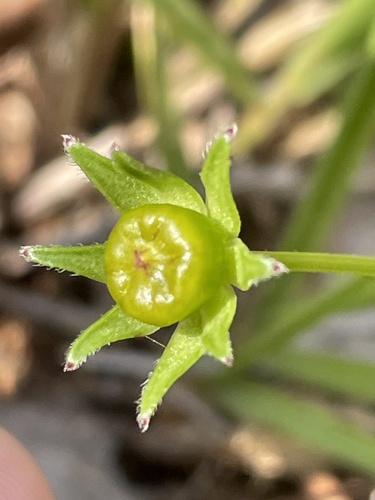
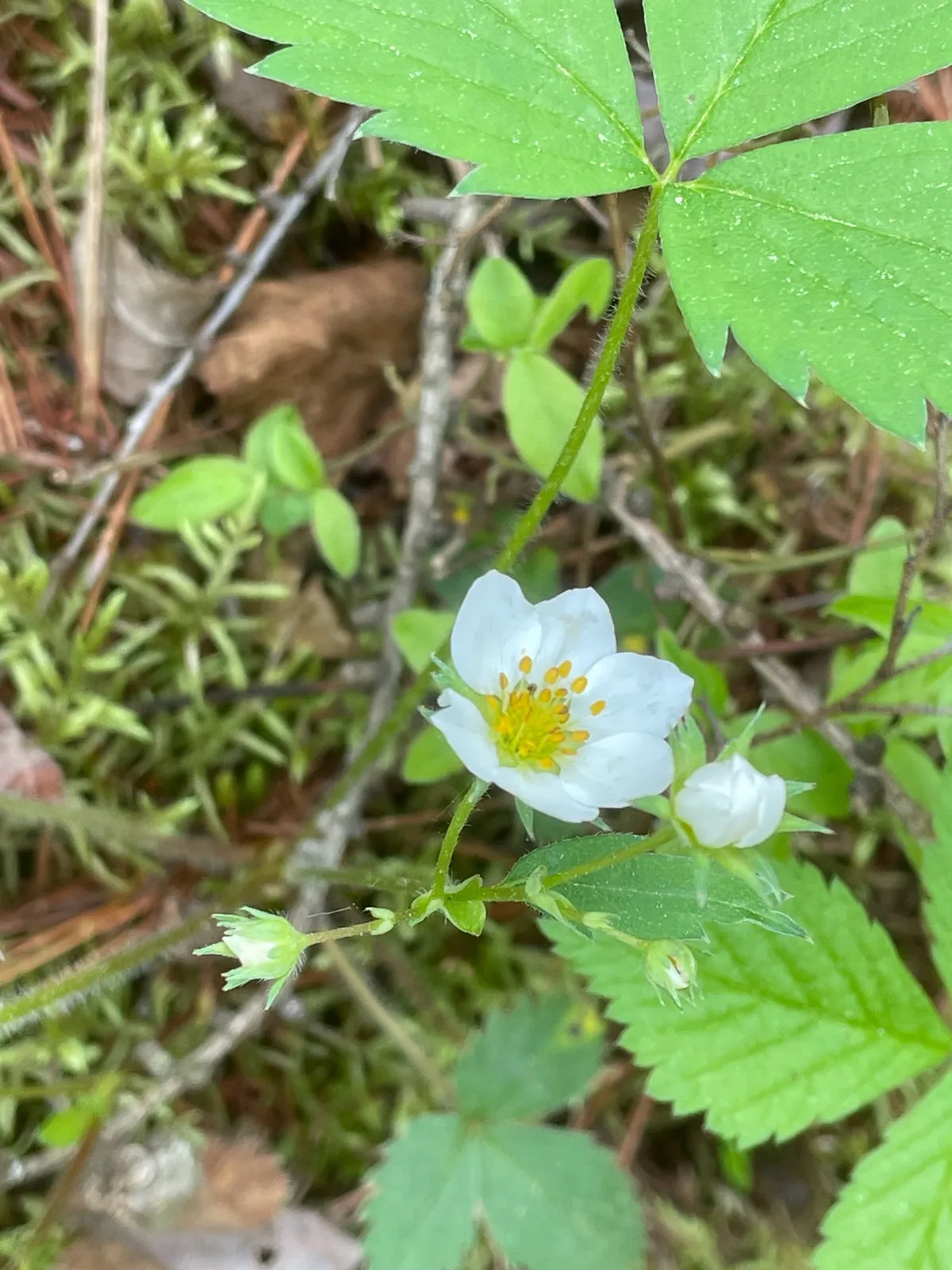
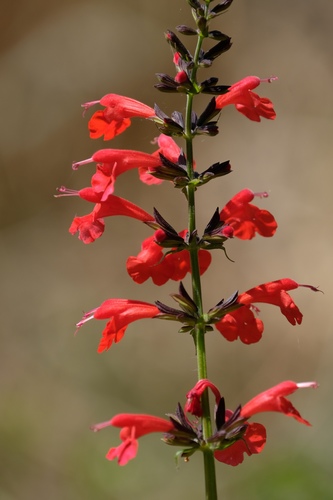
Light
full sun
Water
low
Size
6"–18" H × 12"–18" W
Bloom
Mar, Apr, May
Native to
TX
Pollinators
bees
Before you buy
Your city may pay you to plant this
Cities and water utilities offer rebates for replacing lawn with native and water-wise plants. We track 465 programs across 44 states, each with a link to the provider and the date we last checked it.
Find rebates in your areaPicture natives in your own yard
Upload a photo of your yard and Patch Vision shows a rendering of it planted with natives for your region, like Sandy Bluebonnet.
Browse plants for this ecoregion
Sandy Bluebonnet is a compact annual wildflower that produces the classic blue spikes Texas is famous for. This smaller cousin of the state flower blooms reliably in spring and thrives in poor, sandy soils with minimal water.
In an HOA neighborhood
Sandy Bluebonnet is an HOA-friendly choice in the right placement. Maintenance level: moderate. Tidiness: 3 out of 5.
Works well in: front yard, foundation, street edge, mid zone.
- Requires seasonal replanting
- May have messy dieback
Wildlife value
Provides important early season nectar for native bees and other pollinators during its March through May bloom period.
Common questions
- How much sun does Sandy Bluebonnet need?
- Sandy Bluebonnet grows best in full sun conditions.
- When does Sandy Bluebonnet bloom?
- Sandy Bluebonnet blooms in March, April, and May.
- Where is Sandy Bluebonnet native?
- Sandy Bluebonnet (Lupinus subcarnosus) is native to TX, per vouchered herbarium specimen records and regional native plant society lists.
- Is Sandy Bluebonnet toxic to dogs?
- Yes. Sandy Bluebonnet is listed as toxic to dogs by the Lady Bird Johnson Wildflower Center (NPIN). If your pet has been exposed, call the ASPCA Animal Poison Control Center at (888) 426-4435.
- Is Sandy Bluebonnet toxic to cats?
- Yes. Sandy Bluebonnet is listed as toxic to cats by the Lady Bird Johnson Wildflower Center (NPIN). If your cat has been exposed, call the ASPCA Animal Poison Control Center at (888) 426-4435.
- What pollinators does Sandy Bluebonnet attract?
- Sandy Bluebonnet draws bees.
- Is Sandy Bluebonnet HOA-friendly?
- Sandy Bluebonnet is generally an HOA-friendly choice in the right placement, with moderate maintenance.
Native range data from vouchered herbarium specimen records and regional native plant society lists. Pollinator and host plant associations compiled from GBIF, iNaturalist, and published ecological literature.
If something looks wrong
Common plant problems, and what to check first
These come up on almost any plant. Each guide lists the likely causes in the order they are worth ruling out, with one thing to check before you act on any of them, and links to the source it came from.
- It is dying right after planting
- Leaves turning yellow
- Wilting even though I watered it
- Brown crispy leaf tips
- Bugs on the plant
Pollinator Patch flags toxic plants like Sandy Bluebonnet and shows natives not flagged toxic to pets for your ecoregion instead.