White Wood Aster
Eurybia divaricata
Last reviewed: September 2026
White Wood Aster is a woodland forb that produces small white daisy-like flowers from August through October, growing well in part shade to full shade with medium moisture.
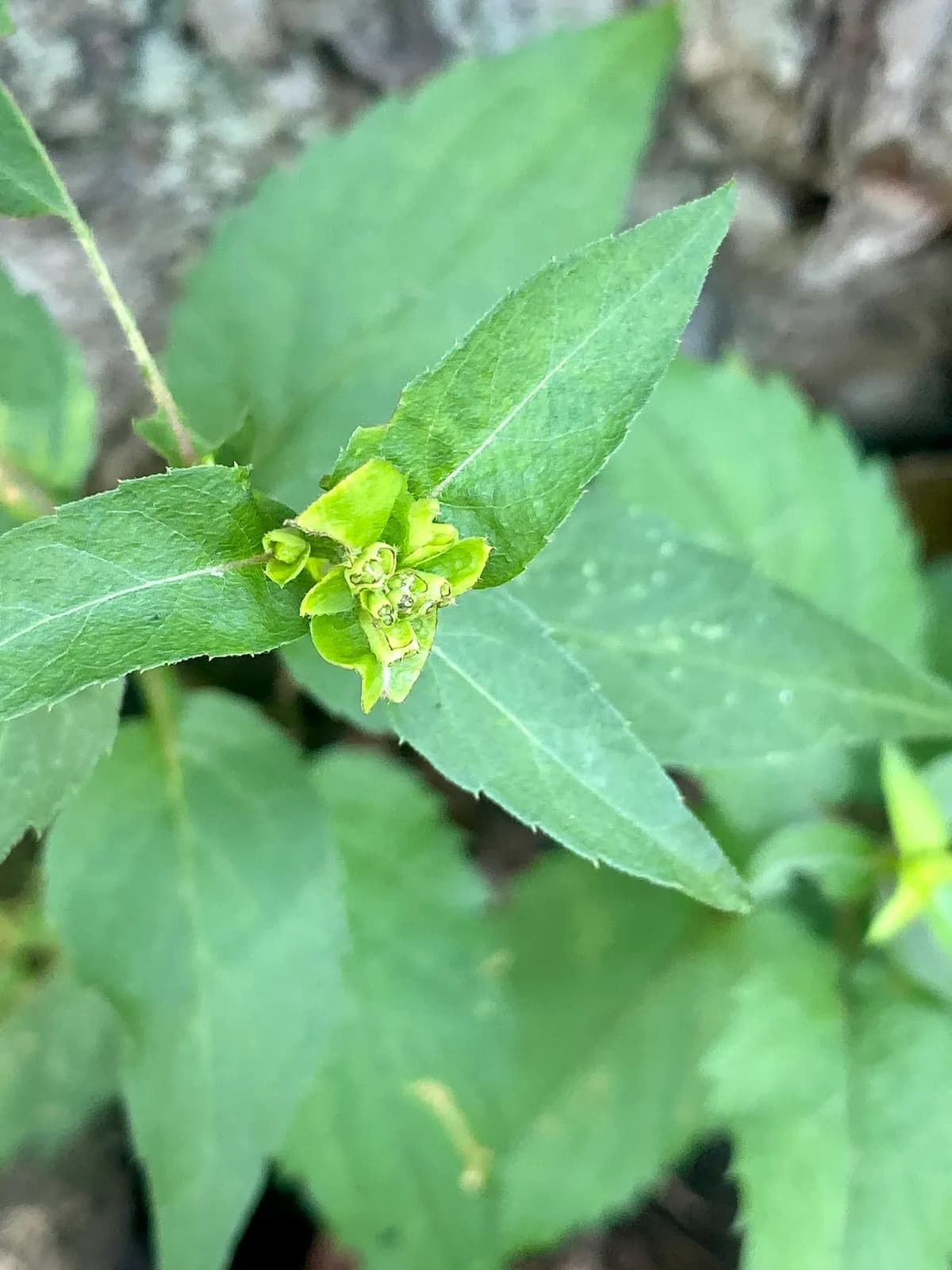
Toxicity unknown
White Wood Aster (Eurybia divaricata) is not listed by the ASPCA Animal Poison Control Center (opens in new tab) or the other sources we check, so we have no verdict for it either way. Absence from those lists is not a clearance. If your pet shows symptoms after eating any plant, call the ASPCA at (888) 426-4435.
Light
part shade
Water
medium
Size
12"–24" H × 12"–24" W
Bloom
Aug, Sep, Oct
Native to
AL, CT, DE, GA and 17 more states
Pollinators
bees, butterflies, beetles
Before you buy
Your city may pay you to plant this
Cities and water utilities offer rebates for replacing lawn with native and water-wise plants. We track 459 programs across 44 states, each with a link to the provider and the date we last checked it.
Find rebates in your areaPicture natives in your own yard
Upload a photo of your yard and Patch Vision shows a rendering of it planted with natives for your region, like White Wood Aster.


Browse plants for this ecoregion
White wood aster is a compact native perennial that produces clusters of small white daisy-like flowers from late summer through fall. This shade-tolerant plant forms neat clumps and provides reliable late-season color when many other plants are finished blooming.
Growing White Wood Aster
Grow White Wood Aster in part shade and medium water. Mature plants reach 12 to 24 inches tall and spread 12 to 24 inches wide. Expect low maintenance to keep it looking intentional in a front yard.
How to care for White Wood Aster, by region
How to care for White Wood Aster where it is actually grown: year-round basics plus what to do each season, region by region, with the sources for each.
Care guidance last updated: October 2026
Northern Piedmont (includes Lancaster, PA)
Year-round
White wood aster is an easy, spreading shade plant with small white flowers in late summer and fall. It likes part shade and medium to dry, well-drained soil. It is hardy in zones 3 to 8 and listed as deer resistant.
- Part shade is best, with about 3 to 4 hours of sun.
- Drought tolerant once established.
- Spreads by rhizomes, so give it room or divide often.
- Powdery mildew can show up, so give it air.
Fall
Fall is bloom time, with white flowers from about August to October.
- Enjoy the flowers and leave them up.
- Water if the fall is very dry.
- Do not shear now.
- Divide only after bloom, if at all.
Winter
In winter it is dormant. Leave the stems until late winter.
- Leave stems standing for winter looks.
- Cut back in late winter.
- Do not fertilize.
- Check drainage so water does not sit on roots.
Spring
Spring is the time to divide, pass along extras and set the plant up for summer.
- Divide clumps in spring.
- Pull out runners where you do not want it.
- Water new divisions weekly.
- Skip heavy fertilizer.
It can spread, so edge it from tidy lawn lines to stay HOA-friendly.
Summer
A shearing to about 6 inches in early summer makes a fuller plant. After that it needs little.
- Shear to about 6 inches in early summer.
- Water new plants in dry spells.
- Space plants for air flow to cut mildew.
- Avoid wetting leaves late in the day.
Sources: NC State Extension Plant Toolbox: Eurybia divaricata
Ridge and Valley (includes Harrisburg, PA)
Year-round
White wood aster is a shade-friendly aster with white flowers in late summer and fall. It spreads slowly by underground stems and handles dry soil well.
- Give it part shade, about 3 to 4 hours of sun a day. Deep shade works too.
- Use medium to dry, well-drained soil.
- It grows 1 to 3 feet tall and 1.5 to 2.5 feet wide.
- Deer tend to leave it alone, says NC State.
- Powdery mildew can show up, so give it airflow and drainage.
Fall
August to October is bloom time with white flowers. Let them finish.
- Water new plants during dry autumn spells.
- Enjoy flowers through October.
- Leave seed heads for birds and small animals, says NC State.
- Fall planting works well in Harrisburg.
Winter
The plant is dormant in winter and needs nothing from you.
- No watering needed when the ground is frozen.
- Leave leaf litter in place as natural mulch.
- Cut back old stems in late winter if you want a clean look.
- Plan spring divisions now.
Spring
Spring is the time to divide or move clumps, since it spreads by underground stems.
- Divide crowded clumps in spring.
- Water new divisions until they settle in.
- Avoid planting in heavy clay that stays wet. Aster wilt likes poor drainage.
- Clear last year's leaves gently from the crowns.
Summer
In early summer you can shear the plant to about 6 inches for a more compact shape.
- Shear to about 6 inches in early summer if you want fuller, shorter plants.
- Water new plants in dry weeks. Established plants handle drought.
- Watch for white powdery mildew on leaves.
- Space plants so air can move between them.
Early summer shearing keeps the plant compact and neat for beds near the street.
Sources: NC State Extension Plant Toolbox: Eurybia divaricata
Southeastern Plains (includes Tallahassee, FL)
Year-round
White wood aster wants shade to part shade, soil that stays lightly moist but drains well, and room to spread into a low groundcover clump about one to two and a half feet tall.
- Plant it in shade to part shade. It also tolerates deep shade under trees, more than most garden plants can handle.
- Keep the soil average to consistently moist and well drained. Once it is established it can handle short dry spells.
- Add two to three inches of mulch and keep it topped up. That holds moisture and keeps roots cooler through Tallahassee's long hot summers.
- It spreads slowly by underground stems into a groundcover clump one to two and a half feet tall and about as wide. Give it room or plan to divide it every few years.
- This aster's documented native range is the Appalachian mountains, the Piedmont, and the Northeast. It is not listed as native to north Florida, so in the Tallahassee area it is best thought of as a shade garden plant rather than a native planting.
Fall
Fall is bloom season and the easiest stretch of the year for this plant in the Tallahassee area, with small white flowers opening as the heat breaks.
- Small white daisy-like flowers open from late summer into fall and can keep blooming into November here.
- Deadheading is optional. Leaving the spent flowers lets seed form, which birds will eat over fall and winter.
- Cooler, less humid fall weather is easier on this plant than summer. Cut back on watering as temperatures drop.
- The average first frost in the Tallahassee area lands in mid November, so expect foliage to start fading and dying back around then.
The white fall flowers read as tidy and intentional in a front shade bed, which supports an HOA-friendly look during bloom season.
Winter
Winter is mostly a resting period here. Foliage dies back after frost and the plant needs little care until spring.
- Once the foliage turns brown after frost, cut the dead stems back to a few inches from the ground.
- Keep mulch in place over winter. It buffers the crown during Tallahassee's occasional hard freezes, which typically drop into the low twenties Fahrenheit.
- The plant is dormant now and needs little to no extra water unless the winter turns unusually dry.
- With the bed cleared out, winter is a good time to map where you want to move divisions once spring growth starts.
Cutting back the dead stems keeps a front-facing shade bed looking tended through winter instead of leggy, which is part of an HOA-friendly look.
Spring
Spring is when new leafy growth returns, and it is the best time to divide the clump or refresh mulch before summer heat sets in.
- New leaves come up from the base a few weeks after the last frost, which averages around mid March in the Tallahassee area.
- Refresh the mulch layer now so it is in place before summer heat and humidity arrive.
- If the clump has spread past where you want it, divide it in early spring while the new shoots are still short.
- Spring rain is usually enough on its own. Water only if the soil goes dry for several days in a row.
Summer
Summer is the hardest season here since Tallahassee's heat and humidity sit right at the edge of what this plant normally handles, so shade and steady moisture matter most.
- Give it the shadiest, coolest spot you have. Tallahassee summers push past the top of this aster's usual hardiness range, so full shade helps it cope with the heat.
- Watch the leaves for a white powdery coating. This aster can develop powdery mildew in humid weather, and giving plants room for air to move around them helps prevent it.
- Summer thunderstorms usually keep the soil moist enough. During a dry stretch of a week or more, water at the base of the plant instead of overhead so the leaves dry faster.
- Hold off on fertilizer during peak summer heat. It is not needed for an established plant and can encourage weak growth at the worst time.
Sources: NC State Extension Gardener Plant Toolbox: Eurybia divaricata, Mt. Cuba Center: White Wood Aster, Lady Bird Johnson Wildflower Center: Eurybia divaricata native range, UF/IFAS Leon County: North Florida Vegetable Gardening Guide (hardiness zone and frost dates)
Southwestern Appalachians (includes Chattanooga, TN)
Year-round
White wood aster is a shade-loving perennial that grows 1 to 3 feet tall and blooms late summer to fall. It prefers well-drained soil, which matters on Chattanooga clay.
- Give it part shade, about 3 to 4 hours of sun, and well-drained soil.
- It tolerates clay and rocky soil, but poorly drained clay can cause aster wilt.
- It spreads by underground stems and reaches full size in 2 to 5 years.
- NC State lists it as deer resistant and low maintenance.
It spreads on its own, so give it room or divide it now and then to keep the bed neat.
Fall
Fall is bloom time, roughly August through October, with small white daisy flowers. The seeds that follow feed birds and small mammals.
- Leave spent flowers so seeds can form for wildlife.
- Water only if the soil is bone dry.
- Fall is a good time to plant new ones in Chattanooga.
- Rake heavy leaf piles off the plants so they do not stay wet.
Winter
Winter is dormant time. It is hardy in zones 3 to 8, so Chattanooga winters are mild for it.
- No watering or feeding is needed.
- Leave the seed heads over winter for birds, then cut them back in late winter.
- Do not smother the crown with thick mulch.
- Plan any spring division now.
Cut old stems back in late winter so the bed looks tidy before spring growth.
Spring
Spring is the time to plant or divide. New growth comes up from the spreading roots as the Chattanooga soil warms.
- Divide crowded patches in spring and replant the pieces in part shade.
- Water new plants regularly for the first few weeks.
- Add a light layer of leaf mulch but keep it off the crowns.
- Check soil drainage before planting, since soggy clay invites aster wilt.
Summer
Summer is leafy growth before the late-season flowers. In Chattanooga's humid heat, airflow matters because it is somewhat prone to powdery mildew.
- In early summer, shear stems to about 6 inches if you want a more compact plant. NC State notes this.
- Space plants and thin crowded stems so air moves through.
- Water deeply during long dry spells, though it tolerates dry soil once established.
- Keep it out of hot afternoon sun in the open.
Sources: NC State Extension Plant Toolbox: Eurybia divaricata
In an HOA neighborhood
White Wood Aster is an HOA-friendly choice. Maintenance level: low. Tidiness: 4 out of 5.
Works well in: front yard, foundation, street edge, mid zone.
- Dies back completely in winter
Wildlife value
Host plant for pearl crescent butterfly.
The flowers attract bees, butterflies, and beetles during the crucial late-season period when nectar sources become scarce. Seeds also provide food for songbirds in fall and winter.
Common questions
- When does White Wood Aster bloom?
- White Wood Aster blooms in late summer into fall, typically from August through October, producing sprays of small white flowers with yellow centers.
- What pollinators visit White Wood Aster?
- Bees, butterflies, and beetles regularly visit White Wood Aster flowers for nectar and pollen during its late-season bloom period.
- How much light and water does White Wood Aster need?
- White Wood Aster does best in part shade to full shade with medium soil moisture, though established plants can handle drier shaded sites once rooted in.
- Where does White Wood Aster grow well in a garden setting?
- It suits shaded woodland gardens, understory plantings, and shady borders where it can spread along the ground beneath trees and taller shrubs.
- Is White Wood Aster HOA-friendly?
- White Wood Aster is generally an HOA-friendly choice in the right placement, with low maintenance.
These answers were drafted with an AI model from this plant's data. Verify care details with a local expert.
Native range data from the World Checklist of Vascular Plants (Kew). Pollinator and host plant associations compiled from GBIF, iNaturalist, and published ecological literature.
If something looks wrong
Common plant problems, and what to check first
These come up on almost any plant. Each guide lists the likely causes in the order they are worth ruling out, with one thing to check before you act on any of them, and links to the source it came from.
- It is dying right after planting
- Leaves turning yellow
- Wilting even though I watered it
- Brown crispy leaf tips
- Bugs on the plant
Ready to grow White Wood Aster? Add it to your garden in Pollinator Patch to track it and get season-by-season care guidance.