Free on iPhone, Android and web
HOA-Friendly Front Yard Landscaping
Native plants, your state's rules, and a plan you can print and hand to your review committee. Enter your ZIP and the app builds the plant list for your ecoregion, sized and spaced for a front yard.
This page is educational context, not legal advice.
Key Takeaways
- Boards react to structure before they react to species. Defined edges, consistent mulch, and plants grouped in beds read as cared for, whatever is growing in them.
- Eight states limit what an association can prohibit. The rest do not, which makes the submission itself the thing that decides the outcome.
- A statute limits what a board can ban. It does not exempt you from the maintenance standards in your governing documents.
- Most rejections are about what was missing from the request, not the plants. Mature sizes, a bed outline, and a written maintenance commitment answer the questions a committee would otherwise guess at.
What makes a front yard read as HOA-friendly
Landscape researchers call these cues of care: the visible signals that tell a passer-by a planting is being tended rather than neglected. They are the reason two yards with identical plant lists get opposite reactions from the same committee. Four of them carry most of the weight in a front yard.
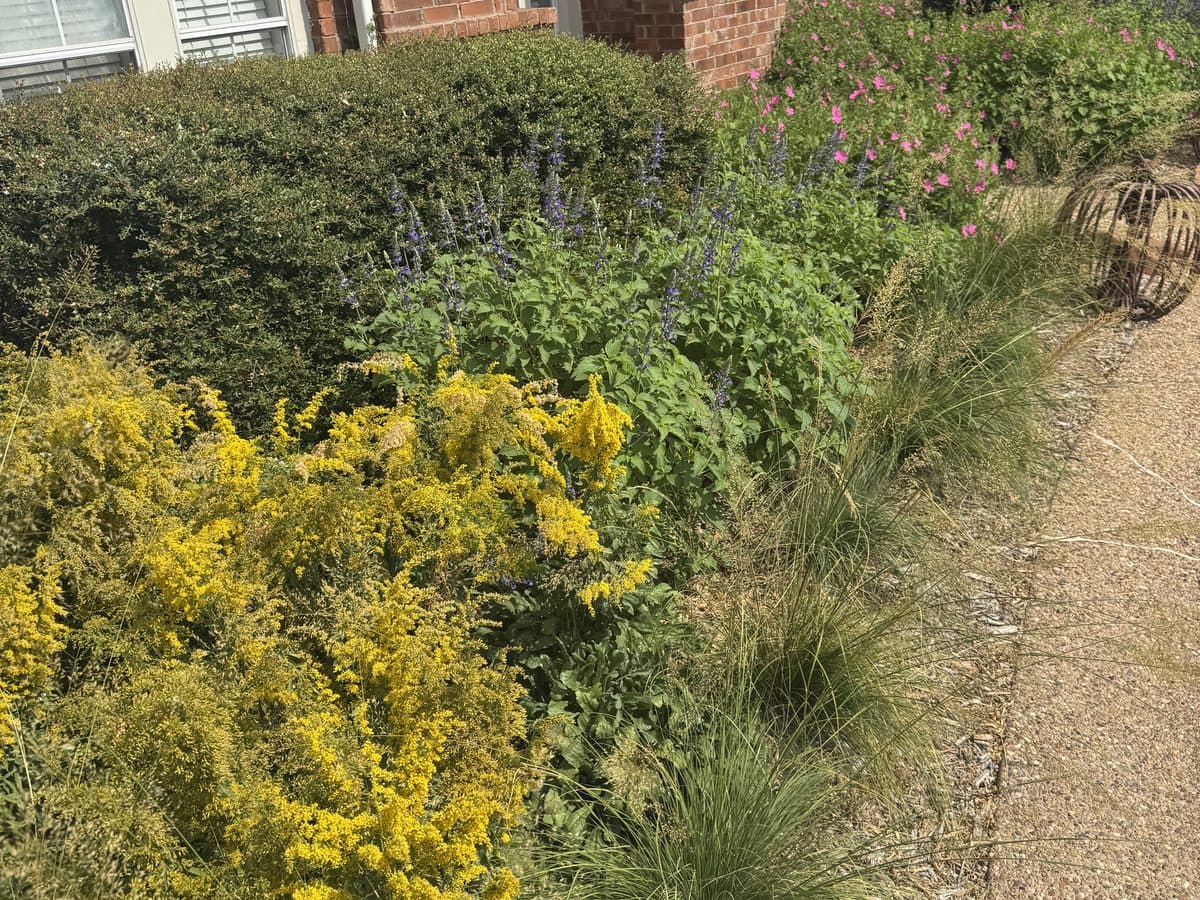
Give the bed a hard edge
A cut edge, steel edging, or a stone border is the single clearest signal that a planting was placed rather than left. It is also the cheapest thing on this list.
Clean borders vs wild edgesKeep the mulch consistent
One mulch, one color, refreshed on a schedule. Mixed materials across a front yard read as unfinished even when every plant in the bed is healthy.
Mulch, edging, and visibilityRespect the height language in your governing documents
Most sets of documents say something about height near the sidewalk or the street. Put the low, tidy species there and save the tall grasses for the back of the bed.
Native grasses over 24 inchesGroup in masses instead of scattering
Five of one species together reads as a design decision. One each of five species reads as a collection. Repetition is what makes a native bed look intentional from the street.
Why structure matters more than plant choiceStart with your ZIP, not a plant list
Your ZIP resolves to an EPA Level 3 ecoregion, and the plant list follows the ecoregion rather than the state line. That distinction does real work: a statewide Texas list is wrong for the Panhandle if the species on it are Gulf Coast plants, and a homeowner who plants them gets a bed that struggles and then looks exactly like the thing the committee was worried about.
From there the plan comes back with quantities, spacing, a planting order, and a bloom calendar, so the bed has something in flower across the season instead of three good weeks in May.
Build the plan for your address
Free, and no account needed to see the first plan.
Plants that hold their shape in a front yard
These are natives flagged HOA-friendly in our plant data, which is a judgement about form and maintenance: species that keep a defined habit, stay near the height they are listed at, and do not flop across a sidewalk in July. It is a judgement about the plant, never a statement about what any particular board will decide.
The list below spans regions. Enter your ZIP above to see the ones native to yours.
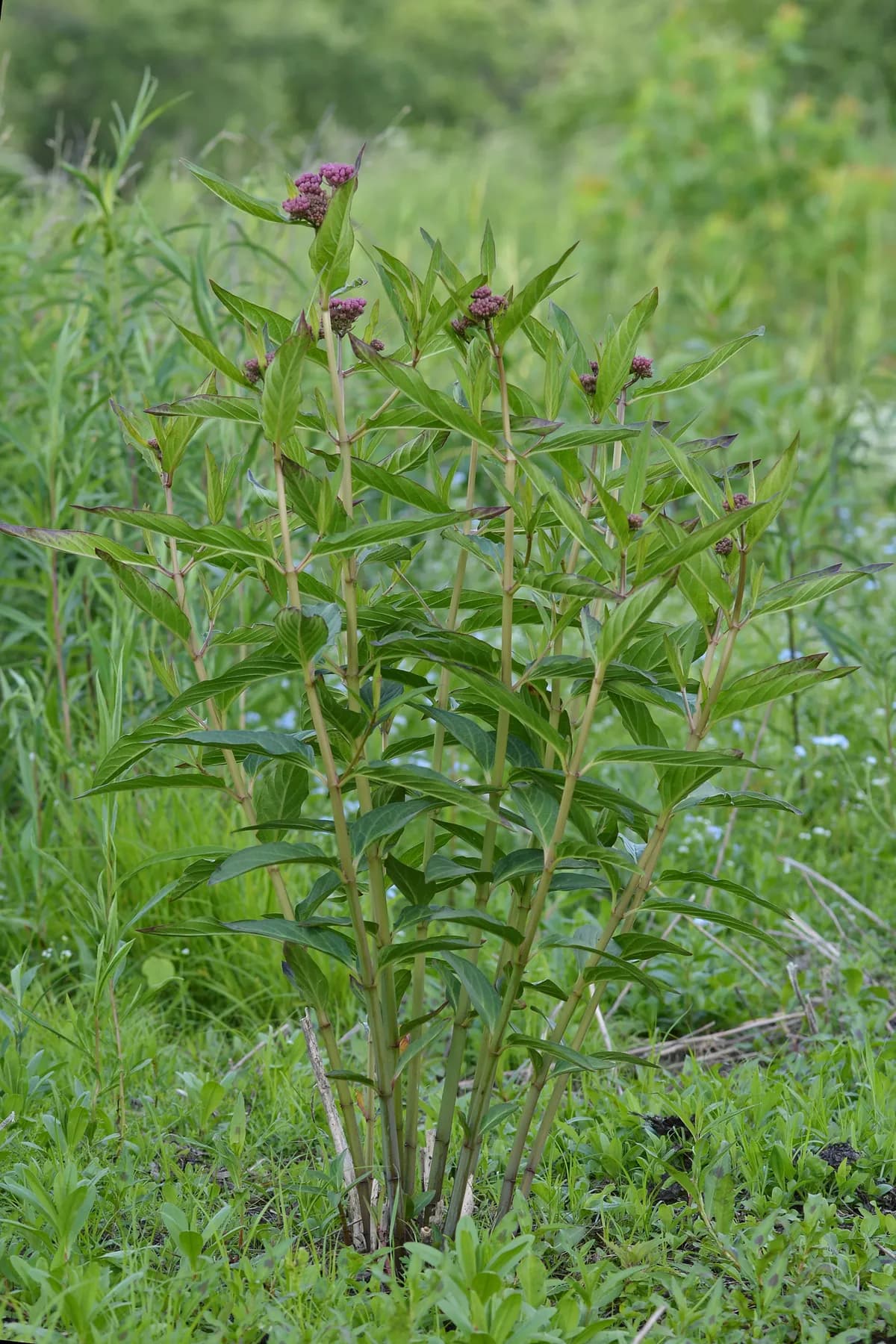
Swamp Milkweed
Asclepias incarnata
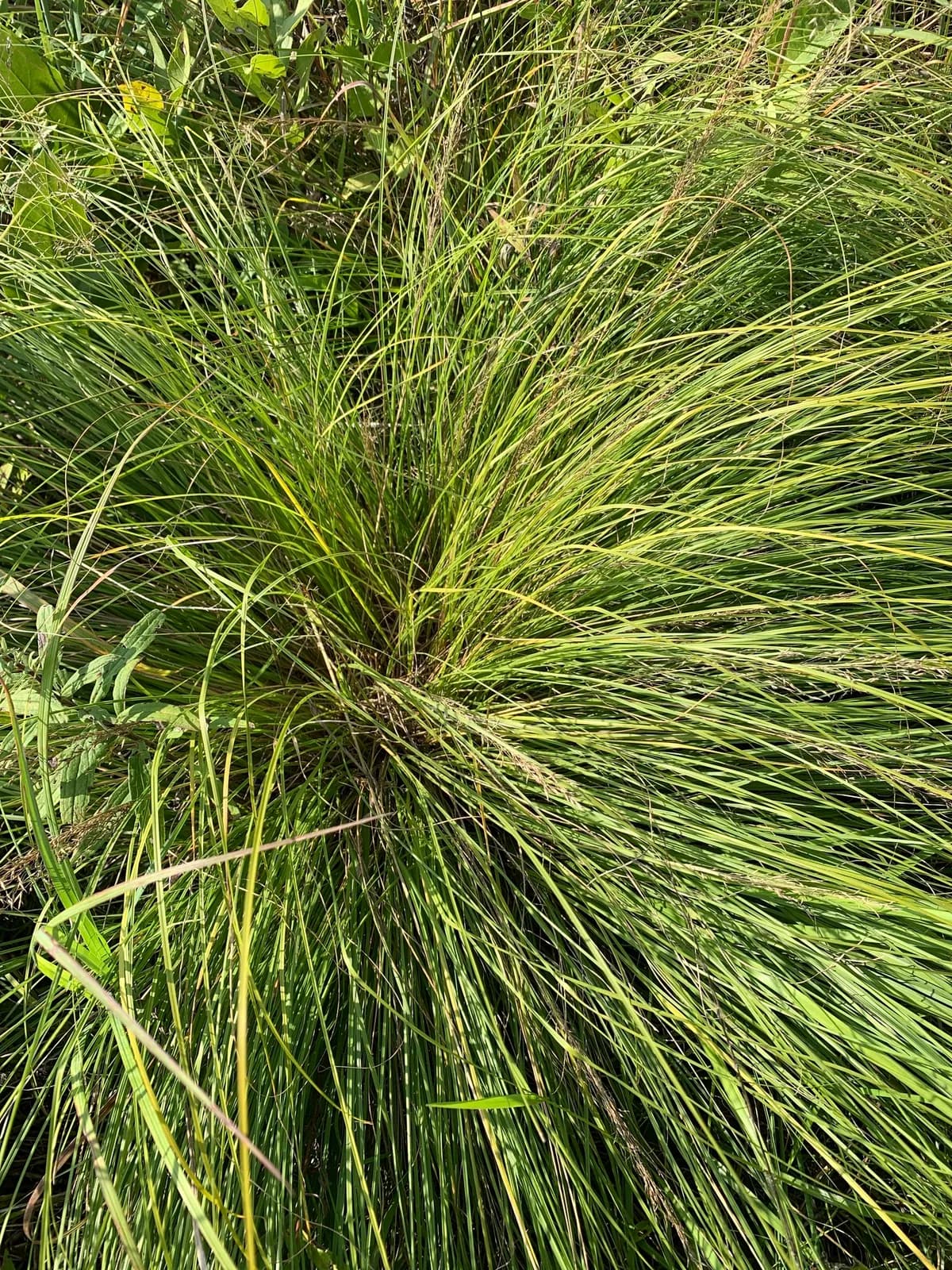
Prairie Dropseed
Sporobolus heterolepis
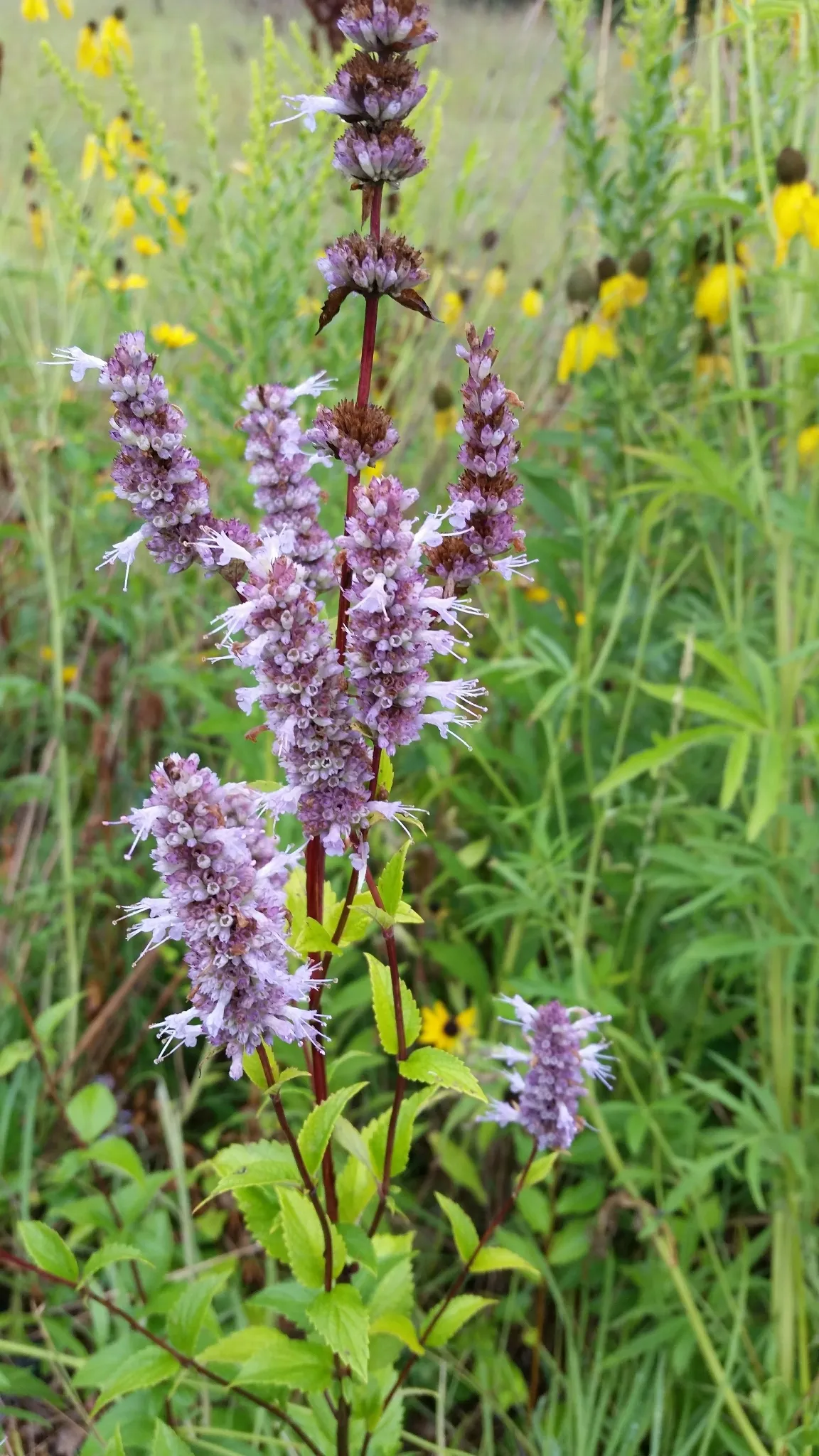
Blue Giant-hyssop
Agastache foeniculum
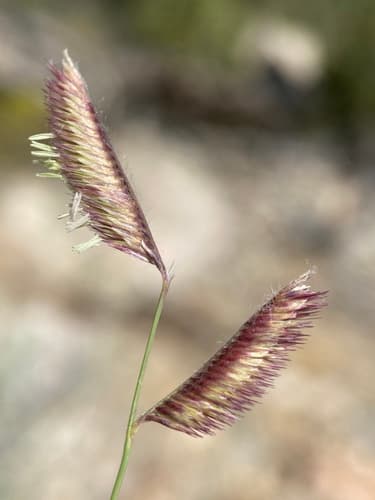
Blue Grama
Bouteloua gracilis

Heart-leaf Foamflower
Tiarella cordifolia
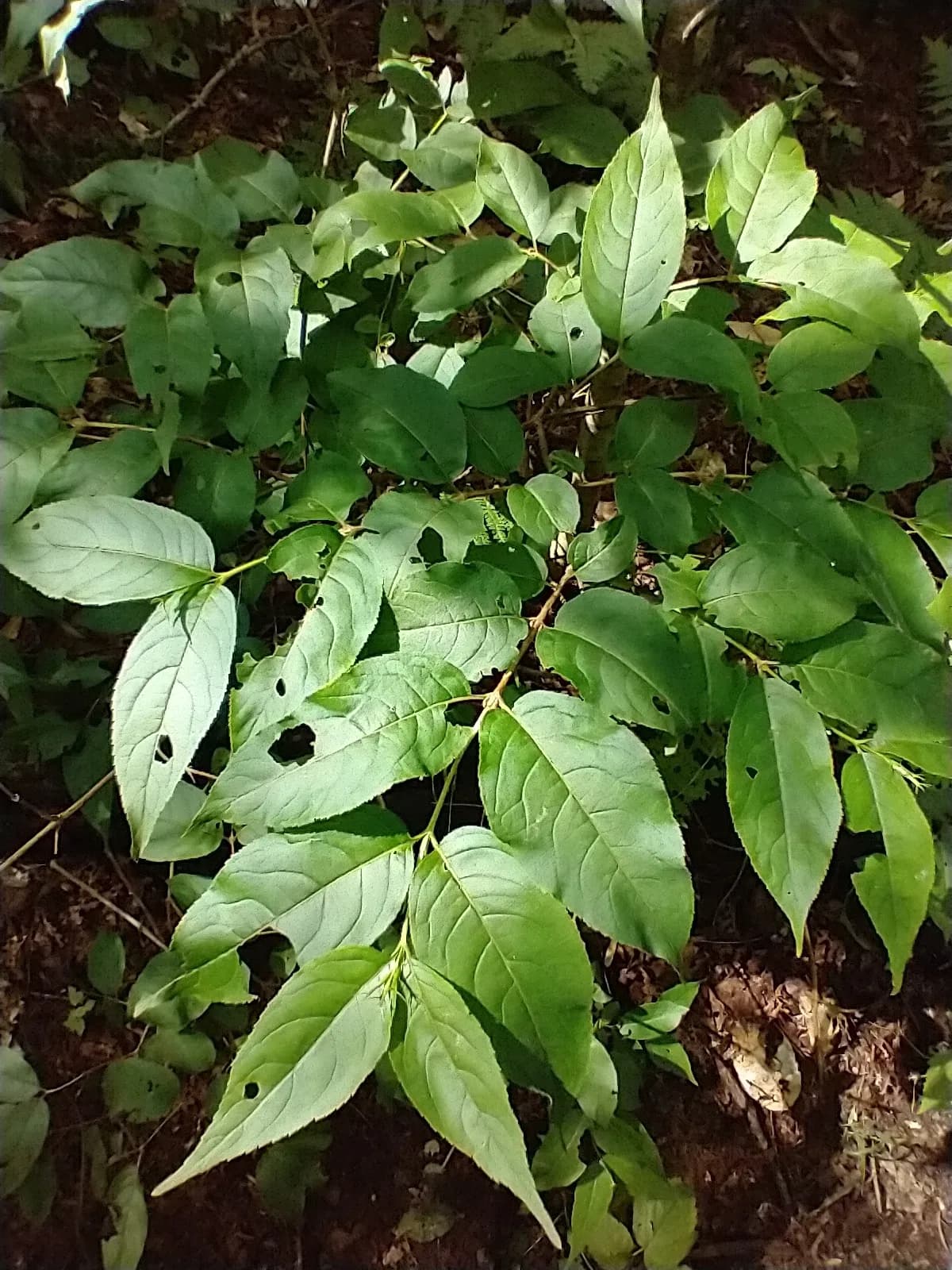
Bush-honeysuckle
Diervilla lonicera
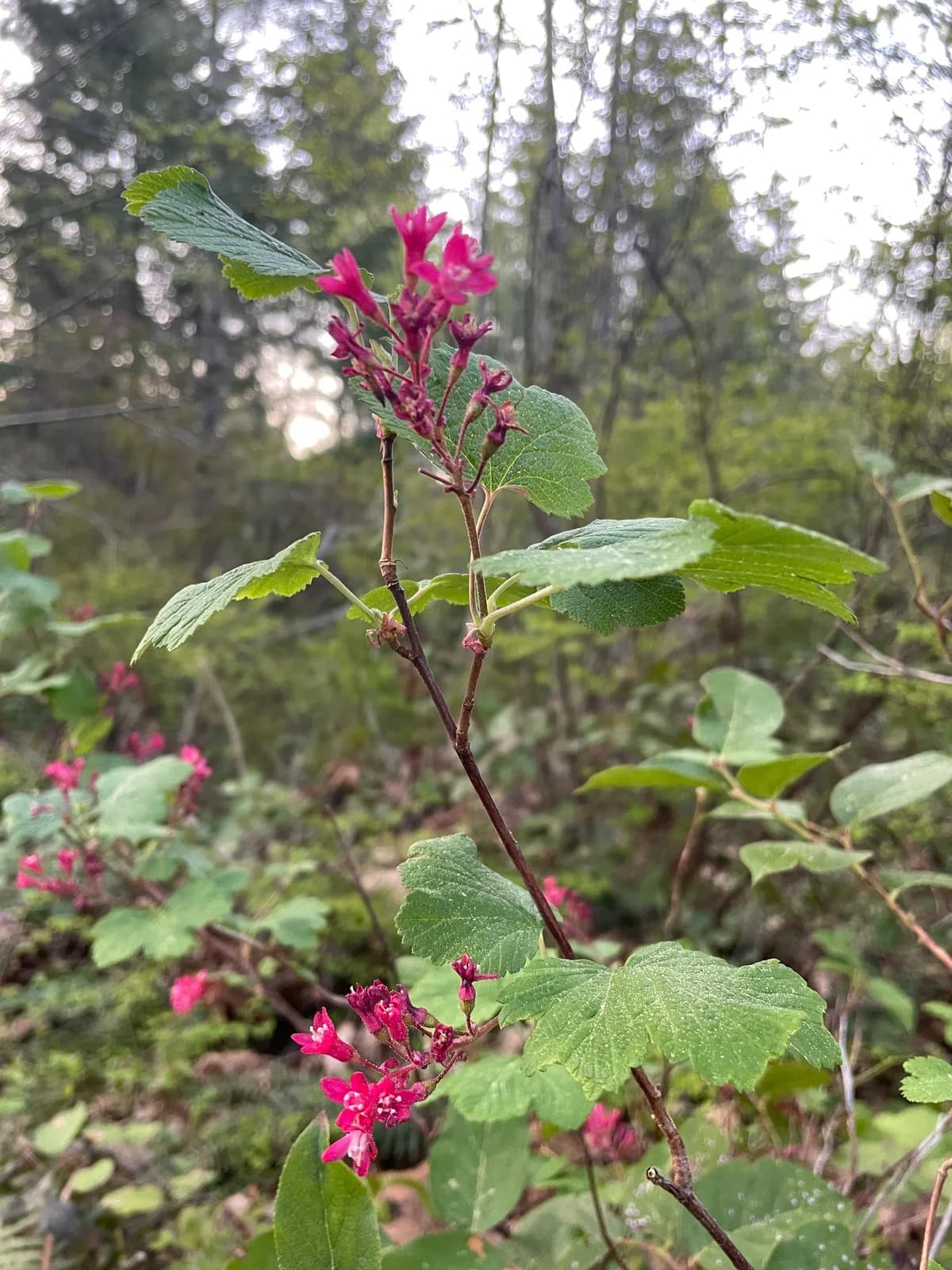
Flowering Currant
Ribes sanguineum
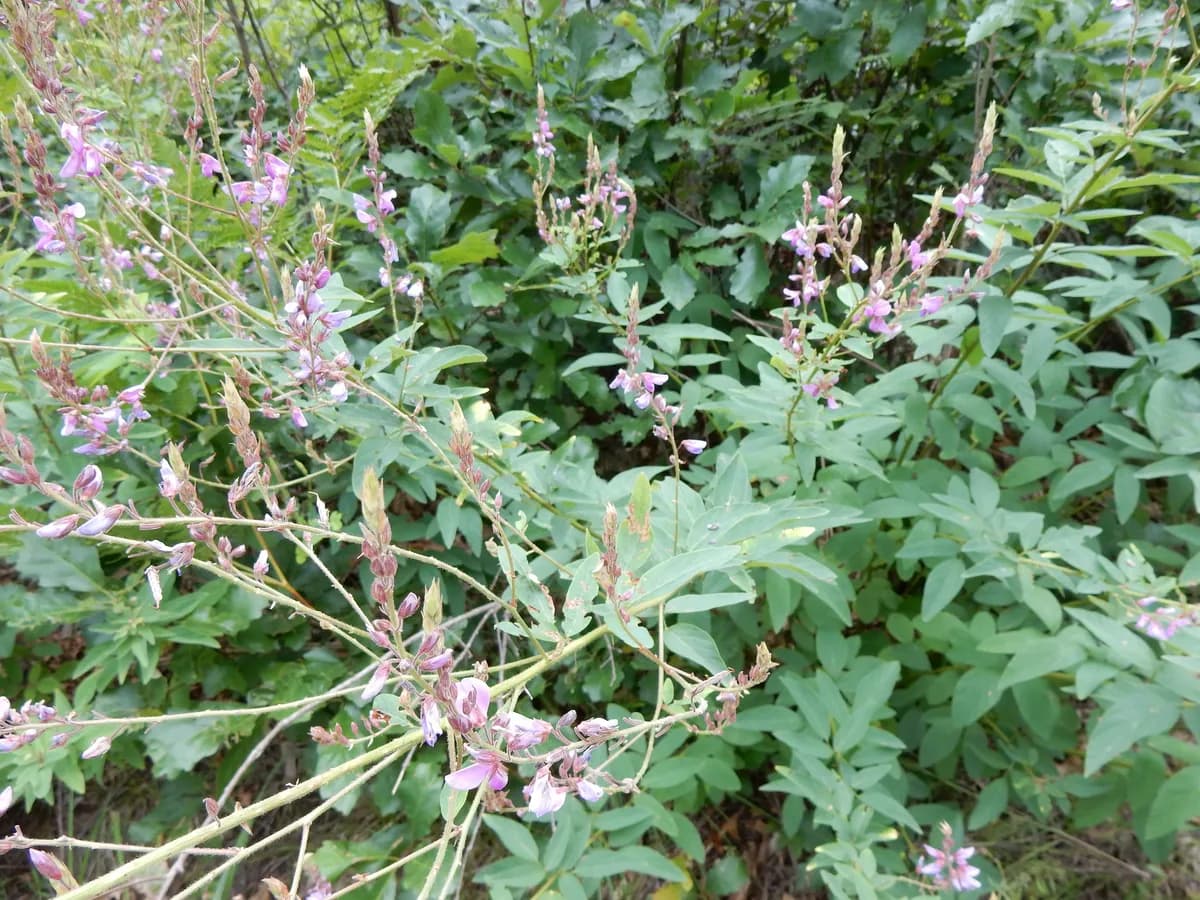
Showy Tick Trefoil
Desmodium canadense
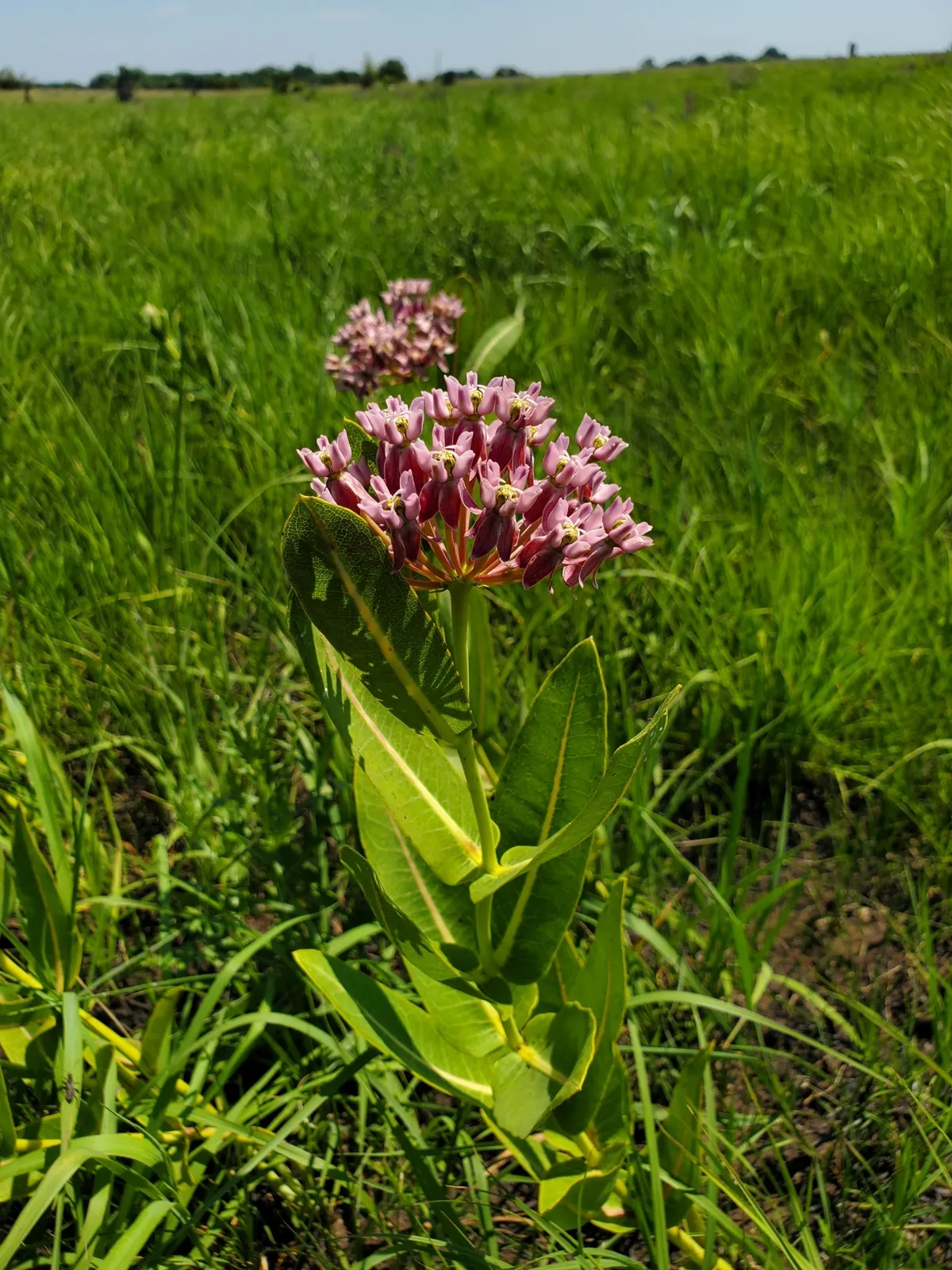
Prairie Milkweed
Asclepias sullivantii

Pink Tickseed
Coreopsis rosea
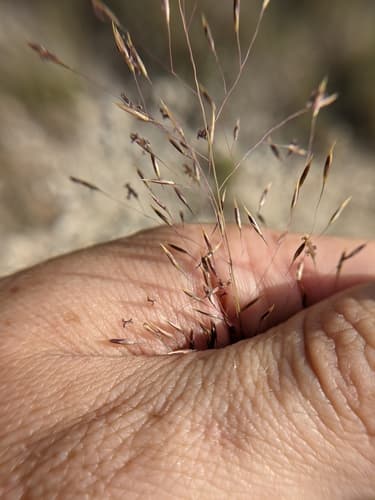
Seep Muhly
Muhlenbergia reverchonii

Butterfly Gaura
Oenothera lindheimeri
Does your state have a law?
Eight states have a statute that limits what an association can prohibit. A statute limits what a board can ban. It does not exempt you from the maintenance standards in your governing documents, which is why the design cues above still matter in every one of them.
Texas Property Code §202.007 prohibits HOA deed restrictions from preventing a homeowner from replacing grass with drought-resistant plants or xeriscape. The law has been in place since 2003 and has been updated over time to strengthen homeowner protections. HOAs may still set reasonable maintenance and appearance standards, but cannot require a homeowner to keep or restore a traditional grass lawn.
Official text (opens in new tab)California Civil Code §4735 prohibits HOAs from preventing homeowners from using drought-tolerant or low-water-use plants as a replacement for lawn, and voids any governing document provision that requires turf or restricts compliance with a local water-efficient landscape ordinance. Section 4735 also bars an HOA from fining a homeowner for reducing or eliminating watering during a declared drought emergency or mandatory water restrictions. The law reflects California's ongoing water conservation policy direction under drought conditions.
Official text (opens in new tab)Nevada Revised Statutes §116.330 gives a unit owner the right to install or maintain drought tolerant landscaping on the portion of the community they occupy and use exclusively, including the front yard and back yard, after submitting a plan for architectural review. The executive board may not unreasonably deny or withhold approval, or unreasonably decide that the landscaping is incompatible with the community. The statute defines drought tolerant landscaping to include decorative rock and artificial turf, and directs that it be construed liberally in the homeowner's favor. Separately, the Southern Nevada Water Authority pays some of the highest turf-removal rebates in the country in the Las Vegas Valley.
Official text (opens in new tab)Colorado Senate Bill 23-178 (2023) amended C.R.S. §38-33.3-106.5 to prohibit HOAs from banning xeriscape, nonvegetative turf grass, or drought-tolerant vegetative landscapes on property a unit owner is responsible for. HOAs cannot require hardscape on more than 20% of a landscape area and must allow at least one design option that is 80% or more drought-tolerant plantings. HOAs are required to develop at least three preapproved water-wise garden designs for front yards. The law reflects Colorado's water conservation priorities on the Front Range and Western Slope.
Official text (opens in new tab)Arizona has no broad statute equivalent to Texas §202.007. The only on-point HOA landscaping protection is A.R.S. §33-1819, which bars an HOA from prohibiting artificial turf in communities that allow natural grass (after the developer control period), subject to reasonable rules and natural-environment exceptions. Living xeriscape and native-plant beds are not statutorily protected from HOA restrictions; HOA governing documents control, subject to reasonable and consistent enforcement.
Official text (opens in new tab)Pennsylvania does not currently have a statewide law that explicitly overrides HOA restrictions on native plant landscaping. Planned communities in Pennsylvania are governed by the Uniform Planned Community Act (68 Pa.C.S. §§5101-5414), which contains no native-plant or landscaping carve-out. Local governments (cities and townships) may have their own ordinances allowing native gardens, and the PA Native Plant Society is actively working toward state legislation. Homeowners in Pennsylvania HOA communities should review their specific CC&Rs and consult a Pennsylvania HOA attorney. Without a statewide statute, HOA deed restrictions on landscaping are generally enforceable in Pennsylvania.
Official text (opens in new tab)The Illinois Homeowner's Native Landscaping Act (765 ILCS 167/), effective July 19, 2024, bars community associations from completely prohibiting a resident from planting or growing Illinois native species. The protection is conditional: the native landscape must be intentionally maintained, kept predominantly free of weeds, invasive species, and trash, and must not extend onto neighboring lots or common areas. It does not strip an HOA of the power to regulate landscaping, so it is narrower than the xeriscape laws in Texas or California. A separate older law, the Illinois Native Landscaping Act (5 ILCS 855, 2020), protects native gardens from local government weed ordinances but does not bind HOAs.
Official text (opens in new tab)Maryland Real Property Article §2-125 (enacted via HB 322, effective October 2021) prohibits property restrictions (including HOA rules and deed covenants) from imposing unreasonable limitations on low-impact landscaping. Low-impact landscaping is defined to include bio-habitat gardens, pollinator gardens, rain gardens, and xeriscaping. Critically, HOAs cannot require cultivated vegetation to consist in whole or in part of turf grass. HOAs may still set reasonable design and aesthetic guidelines regarding the type, number, and location of landscaping features.
Official text (opens in new tab)Not listed? Your state has no statute of this kind, which makes what you submit the thing that decides the outcome. See the broader state-by-state overview.
What goes in the submission
A committee reading a one-line request has to fill in the gaps itself, and it fills them in with the worst version of what you described. Five things close those gaps.
A plant list with mature sizes
Common name, botanical name, and how tall and wide each species gets at maturity. Height is the question a committee asks first, and a list without it invites a rejection that has nothing to do with the plants.
The app produces this from your plan.
A bed outline showing where the planting goes
Not a landscape architect drawing. A simple diagram with the bed shape, the house, the sidewalk, and where each group of plants sits, so nobody has to picture it.
The app produces this from your plan.
Photos of the plants at maturity
A committee that has never seen little bluestem in a front yard is imagining a weed. Photographs of the species as they actually look do more work than any paragraph you write.
The app produces this from your plan.
A written maintenance commitment
What you will do and how often: edging, mulch refresh, cutback timing, and what the bed looks like in winter. This is the part most requests leave out, and it is the part that answers the concern behind most rejections.
You write this. The app gives you a starting draft.
The rebate application, if a program covers you
A pending utility rebate tells a committee the project is planned and that a public agency has already looked at it. Check whether one covers your address before you submit.
Look yours up below.
Check for a rebate before you submit
If you would rather assemble it on paper, the free HOA landscape plan template has a sheet for each of the five. With Pro, the app also exports the whole plan as a Plan packet PDF and a courteous notice addressed to your review committee. That notice cites no statutes and never claims a design is approved or compliant, and it is not legal advice. See what the app produces.
Where to buy what you picked
A plan is only useful if the plants on it exist near you. Find a Nursery sorts native plant nurseries by distance from your ZIP, and in partner cities it shows how many of the species on your plan a nursery has in stock and when that was last checked. Browse the nursery directory.
Questions boards actually ask
How long does architectural review usually take?
Most sets of governing documents give the committee a fixed window, commonly 30 to 45 days, and many say the request is deemed granted if nobody responds inside it. Read your own documents for the number and the deemed-response clause, because that clause is the reason to submit in writing and keep the date you sent it.
I already got a violation letter. Is it too late to submit a plan?
No. Responding with a specific plan is generally a stronger position than responding with an argument, because it moves the conversation from whether your yard is acceptable to whether this particular design is. Answer inside the deadline the letter names, in writing, and keep a copy.
Do I have to get approval before I plant anything?
It depends on your governing documents. Many require review for any change to the front yard, some only for hardscape or for changes above a stated cost, and some say nothing about planting beds at all. Find the clause before you dig, because doing it in the other order is how a straightforward project turns into a dispute.
What happens if the committee says no?
Ask for the reason in writing and which provision it rests on. A denial that names a specific standard gives you something to redesign around, and a denial that names nothing is worth asking about. If your state has a statute, that is the point to read it. This is educational context and not legal advice, so talk to an attorney licensed in your state before treating a denial as a legal question.
Last updated: August 2026
Build the plan you are going to submit
The app takes it from there: the species for your ecoregion, the quantities and spacing, the bed layout, and the sheets you hand over.