Calico-bush
Kalmia latifolia
Last reviewed: October 2026
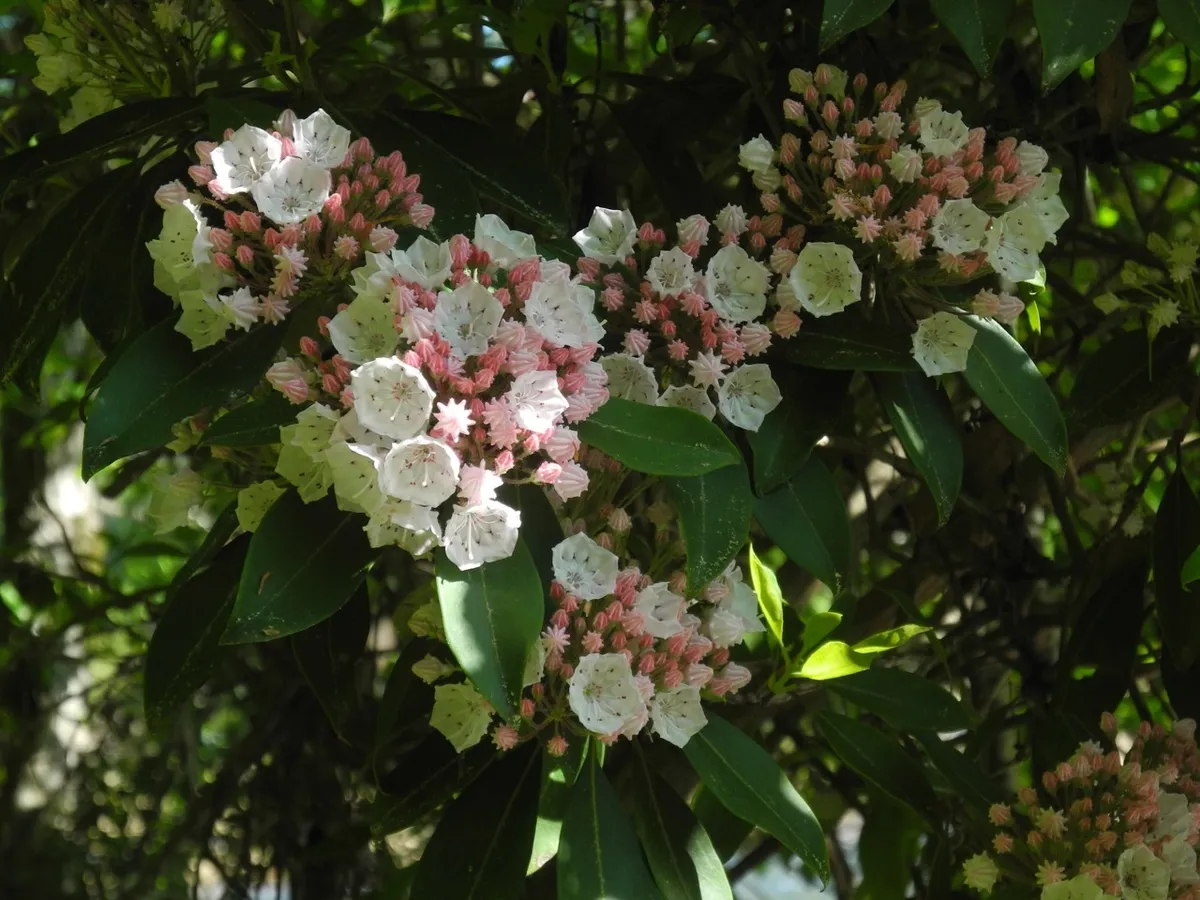
Kalmia latifolia, or calico-bush, is an evergreen shrub that blooms in May and June with clusters of pink to white cup-shaped flowers. It grows well in part shade with medium moisture, often in woodland understories along the eastern seaboard and Appalachian slopes.
Calico-bush is toxic to dogs and cats.
Listed as toxic by the ASPCA Animal Poison Control Center (opens in new tab) (last reviewed 2026-08-03). If your pet has been exposed, call the ASPCA Animal Poison Control Center at (888) 426-4435 and your veterinarian's emergency line.
Pollinator Patch flags toxic plants so you can choose a pet-safe native alternative for your yard.
Native swaps for a yard with pets
Calico-bush is listed as toxic to dogs by the ASPCA Animal Poison Control Center. These natives fill a similar role in a planting and are not on the ASPCA toxic plant list for dogs or cats. Each plant's page carries its dated record.
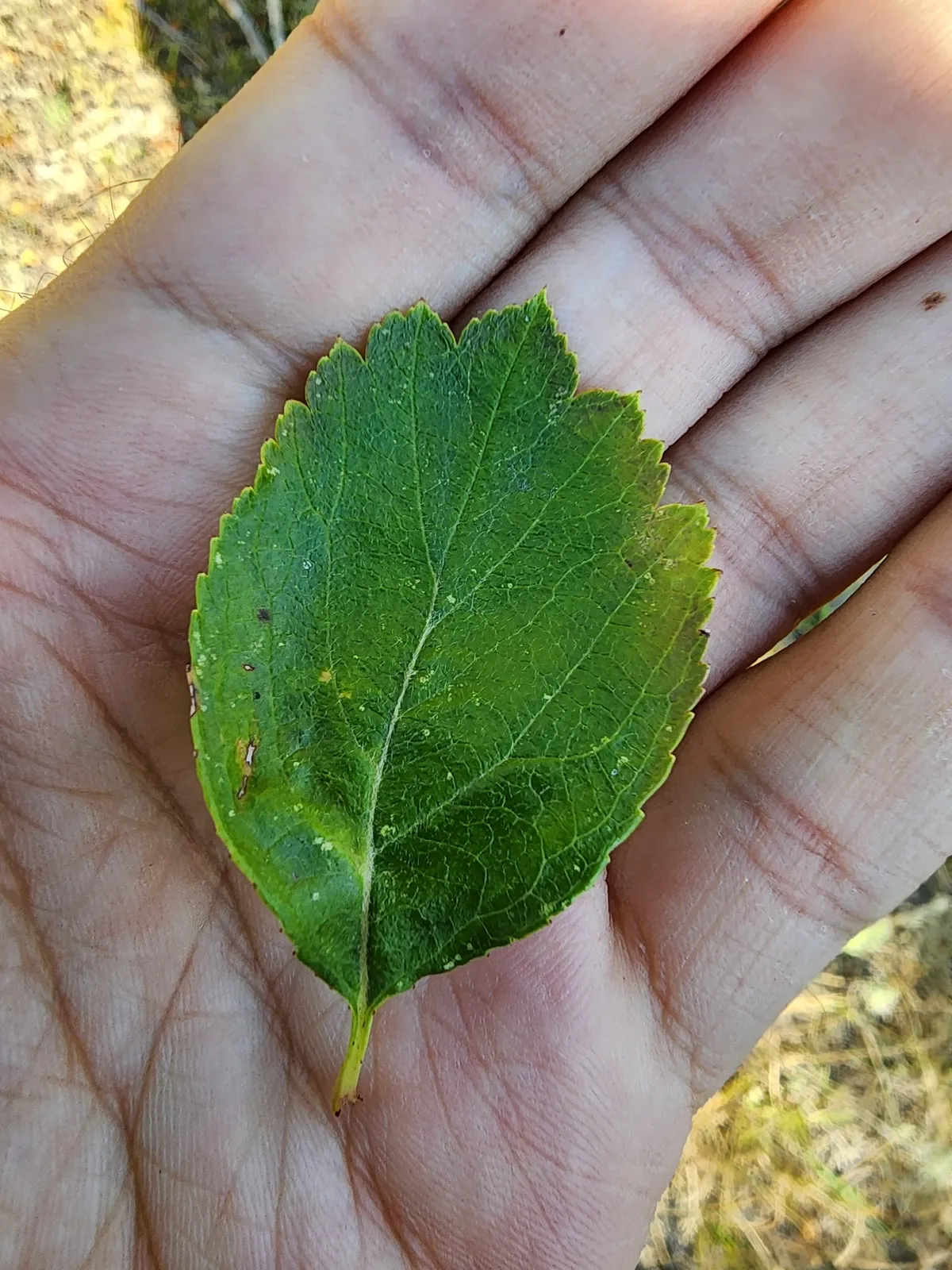
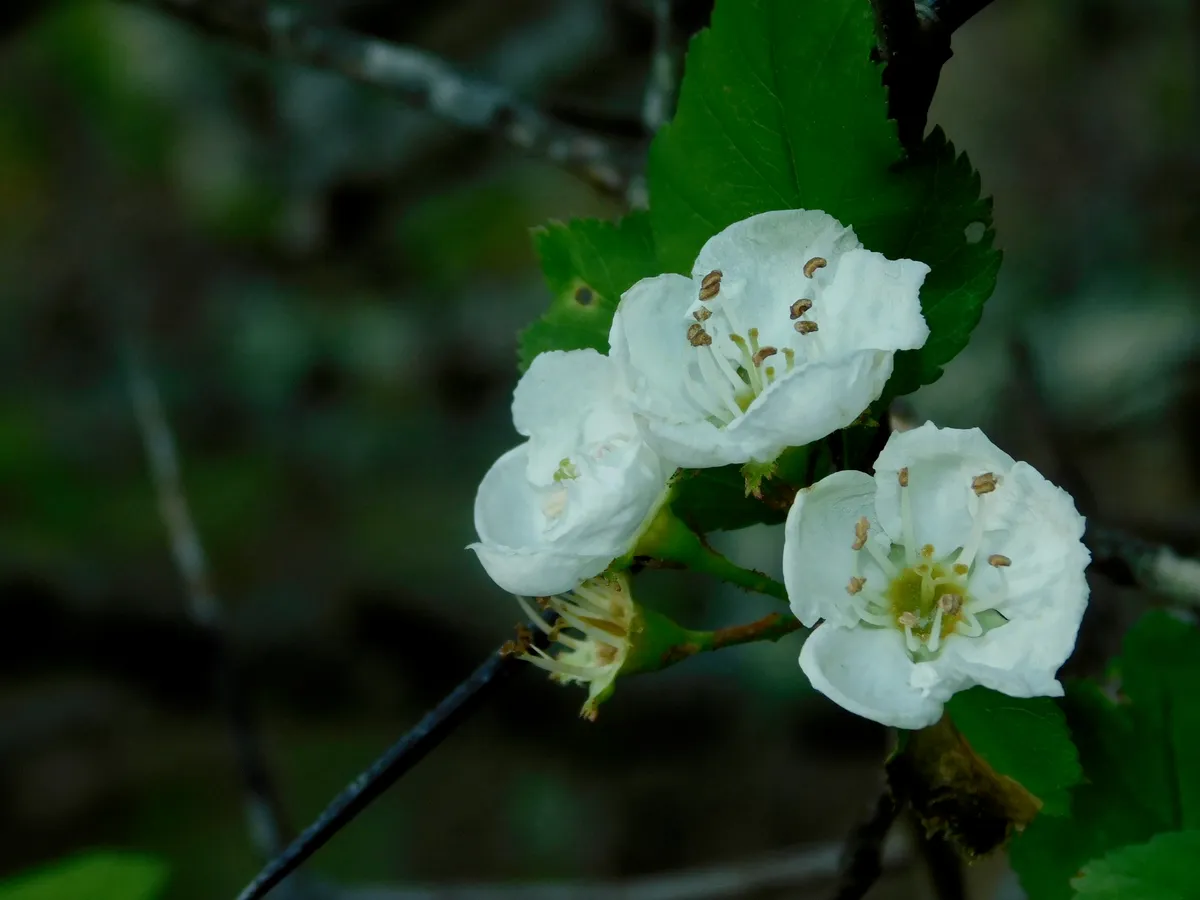
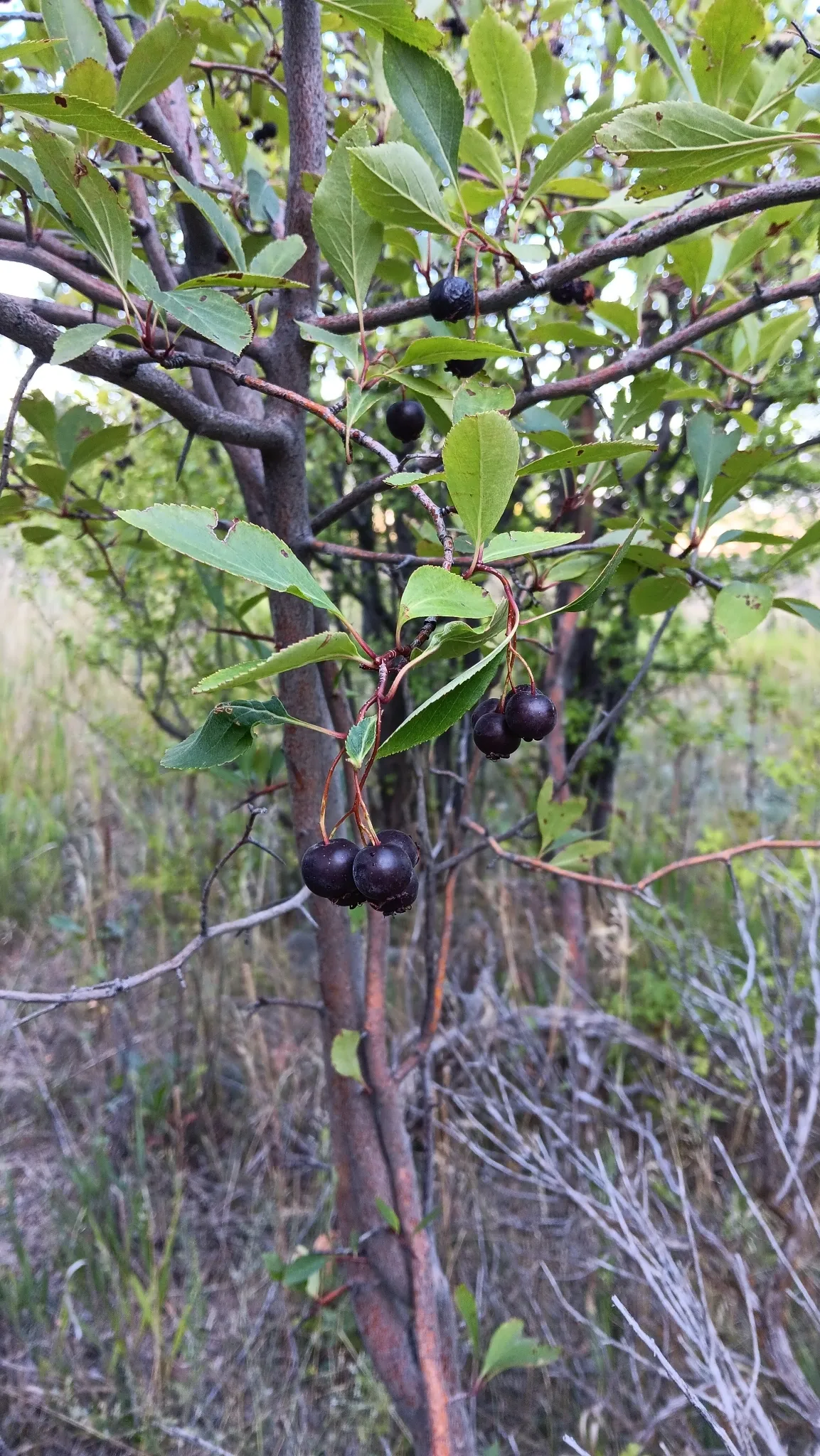
The USDA PLANTS Database (opens in new tab) does not flag Calico-bush as toxic to livestock.
Light
part shade
Water
medium
Size
72"–180" H × 72"–180" W
Bloom
May, Jun
Native to
AL, CT, DE, FL and 20 more states
Pollinators
bees, butterflies
Before you buy
Your city may pay you to plant this
Cities and water utilities offer rebates for replacing lawn with native and water-wise plants. We track 459 programs across 44 states, each with a link to the provider and the date we last checked it.
Find rebates in your areaPicture natives in your own yard
Upload a photo of your yard and Patch Vision shows a rendering of it planted with natives for your region, like Calico-bush.


Browse plants for this ecoregion
Mountain laurel is a classic northeastern evergreen shrub that produces clusters of distinctive cup-shaped pink or white flowers in late spring. It forms a dense, rounded bush with glossy dark green leaves year-round and is prized for its formal appearance and reliable blooming.
Growing Calico-bush
Grow Calico-bush in part shade and medium water. Mature plants reach 72 to 180 inches tall and spread 72 to 180 inches wide. Expect low maintenance to keep it looking intentional in a front yard.
In an HOA neighborhood
Calico-bush is an HOA-friendly choice. Maintenance level: low. Tidiness: 4 out of 5.
Works well in: front yard, foundation, street edge, mid zone.
- Large mature size requires adequate space planning
Wildlife value
Host plant for azalea sphinx moth.
The flowers attract bees and butterflies during the May-June bloom period. Dense evergreen foliage provides year-round shelter for birds.
Common questions
- When does Kalmia latifolia bloom?
- Calico-bush typically flowers in May and June, producing clusters of cup-shaped blooms at the branch tips.
- What pollinators visit Kalmia latifolia flowers?
- Bees and butterflies are the main visitors to calico-bush flowers, which have a spring-loaded pollen mechanism that dusts insects as they probe for nectar.
- How much sun does Kalmia latifolia need?
- It grows best in part shade, though it can adapt to brighter part sun or deeper shade in woodland settings, especially with consistent soil moisture.
- How much water does calico-bush need?
- It prefers medium, evenly moist soil but can tolerate short dry spells once established, particularly in shadier locations.
- Is Kalmia latifolia evergreen?
- Yes, it keeps its glossy, leathery leaves year round, which makes it a reliable structural shrub in shaded gardens through winter.
- Is Calico-bush toxic to dogs?
- Yes. Calico-bush is listed as toxic to dogs by the ASPCA Animal Poison Control Center (aspca.org). If your pet has been exposed, call the ASPCA Animal Poison Control Center at (888) 426-4435.
- Is Calico-bush toxic to cats?
- Yes. Calico-bush is listed as toxic to cats by the ASPCA Animal Poison Control Center (aspca.org). If your cat has been exposed, call the ASPCA Animal Poison Control Center at (888) 426-4435.
- Is Calico-bush toxic to livestock?
- The USDA PLANTS Database does not flag Calico-bush as toxic to livestock.
- Is Calico-bush HOA-friendly?
- Calico-bush is generally an HOA-friendly choice in the right placement, with low maintenance.
These answers were drafted with an AI model from this plant's data. Verify care details with a local expert.
Native range data from vouchered herbarium specimen records and regional native plant society lists. Pollinator and host plant associations compiled from GBIF, iNaturalist, and published ecological literature.
If something looks wrong
Common plant problems, and what to check first
These come up on almost any plant. Each guide lists the likely causes in the order they are worth ruling out, with one thing to check before you act on any of them, and links to the source it came from.
- It is dying right after planting
- Leaves turning yellow
- Wilting even though I watered it
- Brown crispy leaf tips
- Bugs on the plant
Pollinator Patch flags toxic plants like Calico-bush and shows pet-safe natives for your ecoregion instead.