Stemless Four-nerve Daisy
Tetraneuris acaulis
Last reviewed: September 2026
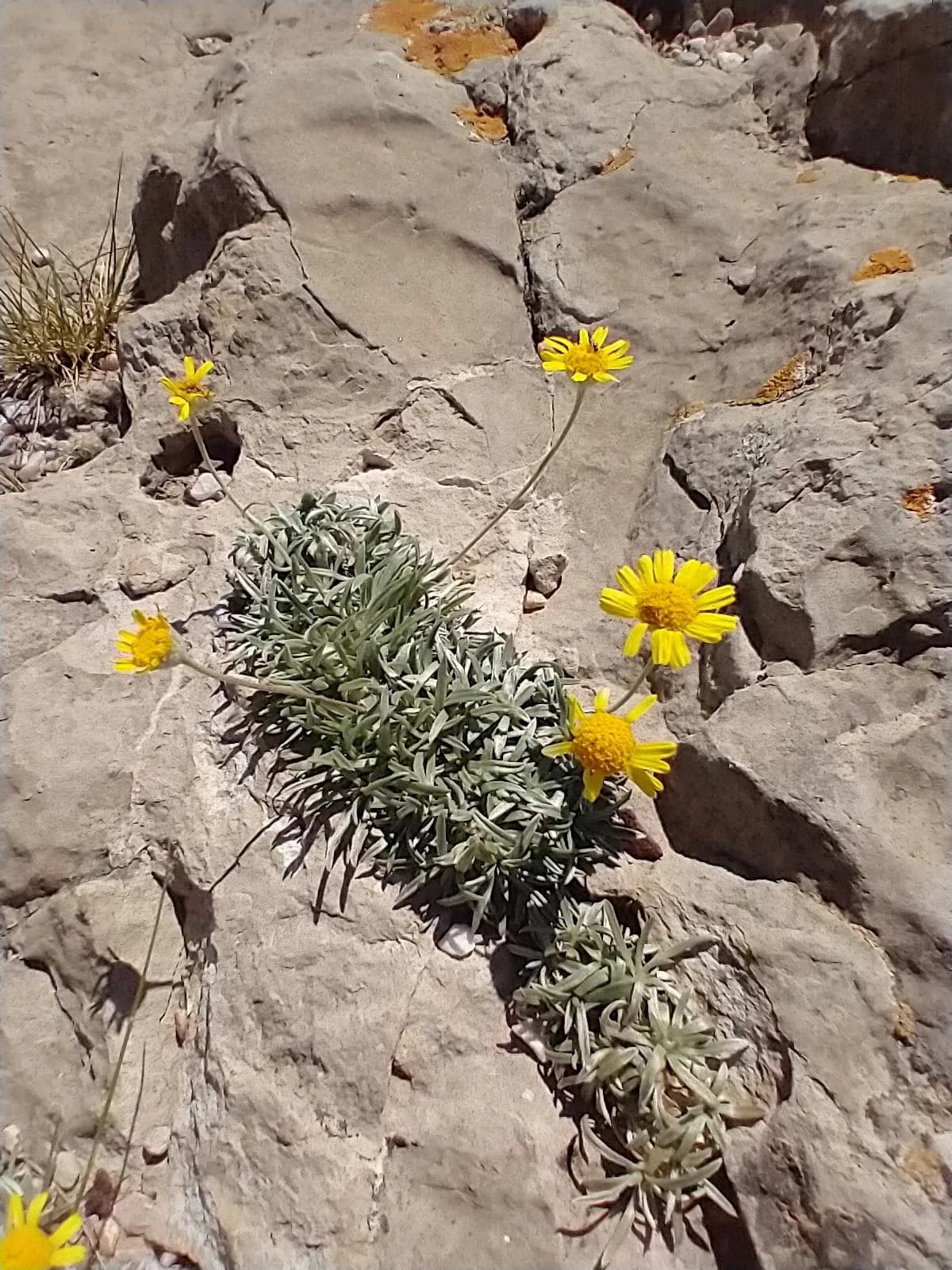
Tetraneuris acaulis is a low-growing perennial forb with bright yellow daisy-like flowers on leafless stalks, blooming from June through November. It favors full sun, dry sites, and well-drained rocky or sandy soil.
Toxicity unknown
Stemless Four-nerve Daisy (Tetraneuris acaulis) is not listed by the ASPCA Animal Poison Control Center (opens in new tab) or the other sources we check, so we have no verdict for it either way. Absence from those lists is not a clearance. If your pet shows symptoms after eating any plant, call the ASPCA at (888) 426-4435.
Light
full sun
Water
low
Size
9"–12" H × 9"–12" W
Bloom
Jun, Jul, Aug, Sep, Oct, Nov
Native to
AZ, CA, CO, ID and 11 more states
Pollinators
butterflies, bees, nectar insects
Before you buy
Your city may pay you to plant this
Cities and water utilities offer rebates for replacing lawn with native and water-wise plants. We track 452 programs across 44 states, each with a link to the provider and the date we last checked it.
Find rebates in your areaBrowse plants for this ecoregion
Stemless Four-nerve Daisy is a compact native perennial that forms neat mounds of gray-green foliage topped with bright yellow daisy flowers. It blooms prolifically from summer through fall, providing months of cheerful color with minimal water needs. The plant maintains a tidy, uniform appearance that works well in formal landscaping.
Growing Stemless Four-nerve Daisy
Grow Stemless Four-nerve Daisy in full sun and low water. Mature plants reach 9 to 12 inches tall and spread 9 to 12 inches wide. Expect low maintenance to keep it looking intentional in a front yard.
How to care for Stemless Four-nerve Daisy, by region
How to care for Stemless Four-nerve Daisy where it is actually grown: year-round basics plus what to do each season, region by region, with the sources for each.
Care guidance last updated: September 2026
Central California Foothills and Coastal Mountains (includes San Francisco, CA)
Year-round
This tough little daisy wants sun and dry feet, so the trick in San Francisco is giving it a spot the fog and irrigation don't reach.
- Plant in fall so roots settle in during the mild, wet winter before summer's dry stretch arrives.
- Pick the sunniest, least foggy corner of the yard. It needs strong sun to stay compact and bloom well.
- Work coarse sand or grit into San Francisco's clay soil, or use a raised bed, so water drains fast.
- Skip supplemental water once it's established. Normal Bay Area winter rain is usually enough.
- Top the soil with gravel instead of bark mulch, and keep any mulch off the crown.
- Keep it out of lawn sprinkler zones. Regular overhead watering is the main reason this plant fails in coastal gardens.
Its tidy, low mound and long bloom season make it a neat, low-water accent for a front bed without looking wild.
Fall
Fall, timed to the return of seasonal rain, is the best time to plant or divide this daisy in San Francisco.
- This is the ideal planting window. New roots can establish through the cool wet season ahead.
- Divide crowded clumps once the weather cools.
- Cut back any dead flower stalks before winter.
- Wait for the first real rain to soften the soil before adding fresh mulch.
Winter
Winter is San Francisco's rainy season, so the main job is making sure water moves through, not holding it in.
- Let the rain do the watering. Don't add irrigation during the wet months.
- Double check drainage after a heavy storm. Standing water is a bigger risk here than cold.
- Frost is rare in San Francisco, and an established plant in well-drained soil usually comes through fine without cover.
- Leave the foliage alone through winter. New growth picks up again as days lengthen.
Spring
Spring is bloom time. In San Francisco's mild climate it often starts flowering earlier than it would inland or in colder climates.
- Watch for the first three-toothed yellow blooms as days lengthen.
- Deadhead spent flowers to keep the plant blooming longer into early summer.
- Don't fertilize. This daisy is built for lean, rocky soil, and rich feeding makes it floppy and short-lived.
- Check that water isn't pooling around the crown after the last spring rains.
- Weed around the base while the soil is still soft from winter rain.
Summer
San Francisco's cool, foggy, dry summers mean this plant needs even less water here than it would in a hotter California garden.
- Hold off on watering unless there's an unusual heat spike away from the fog belt.
- Let the soil dry out completely between any waterings. Damp summer soil is the fastest way to rot the crown.
- Trim spent flower stalks after the main bloom flush to tidy the clump.
- If it's in a shadier or foggier spot than ideal, watch for mildew on the foliage.
Sources: Lady Bird Johnson Wildflower Center - Tetraneuris acaulis var. acaulis (Native Plant Database), Calscape (California Native Plant Society) - Tetraneuris acaulis, Stemless Four Nerve Daisy
Sonoran Basin and Range (includes Phoenix, AZ)
Year-round
Angelita Daisy is a tough little Sonoran forb that makes low green tufts topped with bright yellow flowers for most of the year around Phoenix. Give it full sun, fast-draining desert soil, and very little water once it settles in.
- Plant in full sun in native decomposed-granite or gravelly soil that drains fast, no rich amended beds and no wood bark mulch.
- Water deep and infrequent once established, roughly every 10 to 14 days in the warm months and only when the top few inches are dry, letting the soil dry out between soaks.
- Skip fertilizer entirely, this desert native does better in lean soil and gets floppy and short-lived in rich beds.
- Space plants about 12 inches apart and top the bed with 1 to 2 inches of decomposed granite to keep the look tidy and hold soil moisture in balance.
A clean decomposed-granite bed with evenly spaced Angelita Daisy reads as intentional desert xeriscape, the expected HOA-friendly Phoenix front-yard look, which helps you avoid a neglected-yard violation letter.
Fall
Fall is the prime season around Phoenix. Cooler weather brings a fresh reflush of yellow flowers, and October and November are the best time to plant Angelita Daisy so roots settle in before next summer.
- Plant in October or November, this is the ideal window because roots establish through the mild winter before the heat returns, never plant in the May-to-July heat.
- Water new fall plantings deeply about every 5 to 7 days for the first few weeks, then stretch the interval as they root in and the weather cools.
- Cut back any tired, leggy tufts now to tidy the plant and encourage a compact fall reflush.
- Refresh the decomposed-granite topdressing to 1 to 2 inches so new plants look settled and the bed stays neat.
Fall is the natural time to cut back and reset the bed, a light tidy-up plus a clean decomposed-granite refresh reads as intentional desert landscaping and keeps the front yard clearly maintained for HOA-conscious curb appeal.
Winter
Winter in Phoenix is a mild cool-growing season, not a dormancy, and Angelita Daisy often keeps flowering. It is frost-hardy in the Phoenix core, so it needs very little from you now.
- Water sparingly, roughly every 2 to 3 weeks and only when the soil is dry, gentle winter rains often cover most of the need.
- Leave the plant alone on frost, it is cold-hardy in the low desert and does not need cover during normal Phoenix winters.
- Do not fertilize or heavily prune now, save any real cutback for fall.
- Watch drainage during winter rains, standing water in a low spot is far more dangerous to this plant than the cold.
Spring
Spring is a strong bloom stretch and warming weather for Angelita Daisy in the low desert. Enjoy the flowers and start easing off the winter watering as the days heat up.
- Expect heavy yellow bloom through the spring, keep spent flowers snipped if you want a neater look, though it self-cleans reasonably well.
- Taper the winter watering rhythm as March turns to May, shifting toward a deep soak every 10 to 14 days as highs climb past the 90s.
- Early spring is a weaker secondary planting window, if you plant now do it before the real heat arrives and water new plants in well.
- Still no fertilizer, let the lean decomposed-granite soil do its job.
A quick shear of spent flower stalks after the spring flush keeps the bed looking cared-for and intentional, which is what HOA-conscious neighbors and reviewers expect on a front-yard xeriscape.
Summer
Summer is the stress season in Phoenix, not the growing peak. Angelita Daisy is heat-tough but a young plant appreciates an occasional deep soak through the brutal June foresummer, and the big risk once the monsoon starts is overwatering.
- Through the dry June foresummer, give first- and second-year plants a deep soak about every 7 to 10 days, established plants can stretch to every 10 to 14 days.
- Once the monsoon rains arrive in July, back way off supplemental water, overwatering on top of warm downpours is the number one killer in this soil.
- Water early morning so the crown is not sitting wet in extreme afternoon heat, and always let the top few inches dry before watering again.
- Keep the decomposed-granite mulch topped up to shade the soil, never switch to wood bark, which holds moisture wrong and looks out of place here.
Sources: Arizona-Sonora Desert Museum, Tetraneuris acaulis plant care and Sonoran range, Lady Bird Johnson Wildflower Center, Tetraneuris acaulis native distribution, University of Arizona Cooperative Extension, summer and monsoon watering for desert natives, Desert Botanical Garden, low-desert perennial care and bloom seasons, Arizona Native Plant Society, planting and establishing Sonoran natives
Southern California/Northern Baja Coast (includes Los Angeles, CA)
Year-round
This little daisy wants a hot, dry spot with sharp drainage, not a spot in the lawn or a regularly watered bed. It forms a low mound of grayish green leaves, roughly 6 to 12 inches tall and wide, with cheerful yellow flowers held just above the foliage. Give it full sun, gritty or rocky soil, and let the soil dry out completely between waterings. Once it settles in, it needs very little water and can be left alone for weeks at a time.
- Full sun all day is best. It gets thin and floppy in shade.
- Plant in fast draining soil such as decomposed granite, coarse sand, or a rock garden mix. Heavy clay that stays wet is the main way to lose this plant.
- Mature size is roughly 6 to 12 inches tall and wide, forming a tight rosette or mound.
- Water deeply but infrequently. Let the top few inches of soil dry out completely before watering again.
Fall
Fall in Los Angeles is usually still dry and warm, sometimes with hot Santa Ana wind spells, until the first real rain arrives around October or November. Keep treating the plant like it is still summer until those rains show up.
- Keep the same low, infrequent watering through early fall. Do not increase watering just because the calendar changed.
- Once the first real rain of the season arrives, stop supplemental watering and let rainfall take over.
- Cut back any tall, dried flower stalks in late fall to keep the mound compact and tidy heading into winter.
Cutting back spent flower stalks in late fall keeps the bed looking maintained as the wetter months start.
Winter
Winter is the Los Angeles rainy season, and this plant is far more likely to struggle from wet soil than from cold. Hard freezes are uncommon across most of the Los Angeles basin, so cold protection is usually not the main concern here.
- Do not add any supplemental water in winter. Rainfall alone is normally more than this plant wants.
- If a bed holds water after storms, that standing moisture is the bigger threat than any frost this plant is likely to see in the Los Angeles basin.
- The foliage usually keeps some gray green color through a mild Los Angeles winter instead of dying back completely.
Spring
Los Angeles spring still carries leftover rain from winter, and that moisture is the bigger risk for this plant than any cold snap. Watch the base of the plant for standing water or soggy soil after a storm, and hold off on any extra watering until the ground has dried out.
- Skip supplemental watering after a rain. This plant is used to dry, fast draining soil, not a wet spring bed.
- If a bed drains slowly, consider moving the plant to a raised area, slope, or gravel bed before the next round of spring storms.
- New leaf growth and the first flower buds usually show up by mid to late spring.
A tidy low mound with early yellow blooms reads as an intentional border planting along a walkway, not an untended patch.
Summer
Los Angeles summers are hot, dry, and low humidity, which is close to the weather this plant is built for. It will be in full bloom during these months and needs only occasional deep watering, if any, once it is established.
- An established plant usually does not need any supplemental water through a dry Los Angeles summer, unless it is newly planted or growing in a fast draining pot.
- If you do water, soak deeply and then let the soil dry out completely again rather than watering on a fixed schedule.
- Peak bloom happens in the warm months. Trim off spent flower heads to keep the mound looking neat and to encourage more blooms.
Trimming spent blooms every week or two keeps the front of the mound looking groomed for street view.
Sources: Calscape (California Native Plant Society), Stemless Four Nerve Daisy profile, Lady Bird Johnson Wildflower Center, Tetraneuris acaulis plant profile
Want these tasks as reminders timed to your yard? Pollinator Patch turns this guidance into a season-by-season care plan for the plants you actually grow.
In an HOA neighborhood
Stemless Four-nerve Daisy is an HOA-friendly choice. Maintenance level: low. Tidiness: 4 out of 5.
Works well in: front yard, foundation, street edge, mid zone.
Wildlife value
This daisy attracts a wide variety of pollinators including native bees, butterflies, and other beneficial nectar-feeding insects. The long blooming season provides reliable nectar from summer through late fall when many other flowers have finished.
Common questions
- How much sun does Tetraneuris acaulis need?
- Tetraneuris acaulis needs full sun to flower well and does not perform in shaded spots, reflecting its habit of growing in open plains, rocky outcrops, and dry grasslands.
- When does Tetraneuris acaulis bloom?
- Flowering runs from June through November, with solitary yellow blooms held above a basal rosette of narrow leaves.
- How much water does Tetraneuris acaulis need?
- This plant needs little supplemental water once established and does best in soil that drains quickly rather than staying moist.
- What pollinators visit Tetraneuris acaulis?
- Bees, butterflies, and other nectar-feeding insects visit the flowers for nectar throughout the long summer and fall bloom period.
- Is Stemless Four-nerve Daisy HOA-friendly?
- Stemless Four-nerve Daisy is generally an HOA-friendly choice in the right placement, with low maintenance.
These answers were drafted with an AI model from this plant's data. Verify care details with a local expert.
Native range data from vouchered herbarium specimen records and regional native plant society lists. Pollinator and host plant associations compiled from GBIF, iNaturalist, and published ecological literature.
If something looks wrong
Common plant problems, and what to check first
These come up on almost any plant. Each guide lists the likely causes in the order they are worth ruling out, with one thing to check before you act on any of them, and links to the source it came from.
- It is dying right after planting
- Leaves turning yellow
- Wilting even though I watered it
- Brown crispy leaf tips
- Bugs on the plant
Ready to grow Stemless Four-nerve Daisy? Add it to your garden in Pollinator Patch to track it and get season-by-season care guidance.
Planning a bed around it? Start a free plan with this plant
Not sure where to start? Take the 2-minute yard quiz