Weak-leaf Yucca
Yucca flaccida
Last reviewed: November 2026
Weak-leaf Yucca (Yucca flaccida) is a perennial succulent native to AL, AR, FL, GA and 15 more states. It blooms in June and July. The flowers draw moths.
Watering reminders and freeze alerts for Weak-leaf Yucca, free in the app.


Weak-leaf Yucca is toxic to dogs and cats.
Listed as toxic by the ASPCA (Yucca spp.) (opens in new tab) (last reviewed 2026-10-26). If your pet has been exposed, call the ASPCA Animal Poison Control Center at (888) 426-4435 and your veterinarian's emergency line.
The Pollinator Patch App flags toxic plants so you can choose a native alternative that is not on the ASPCA toxic plant list.
Native swaps for a yard with pets
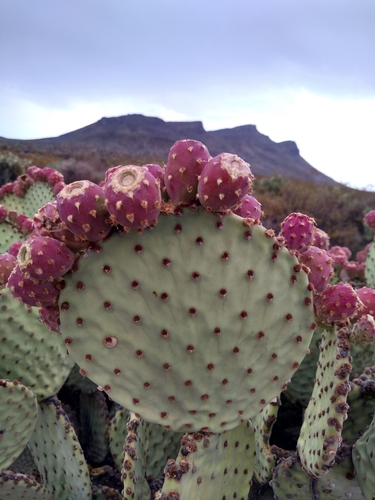
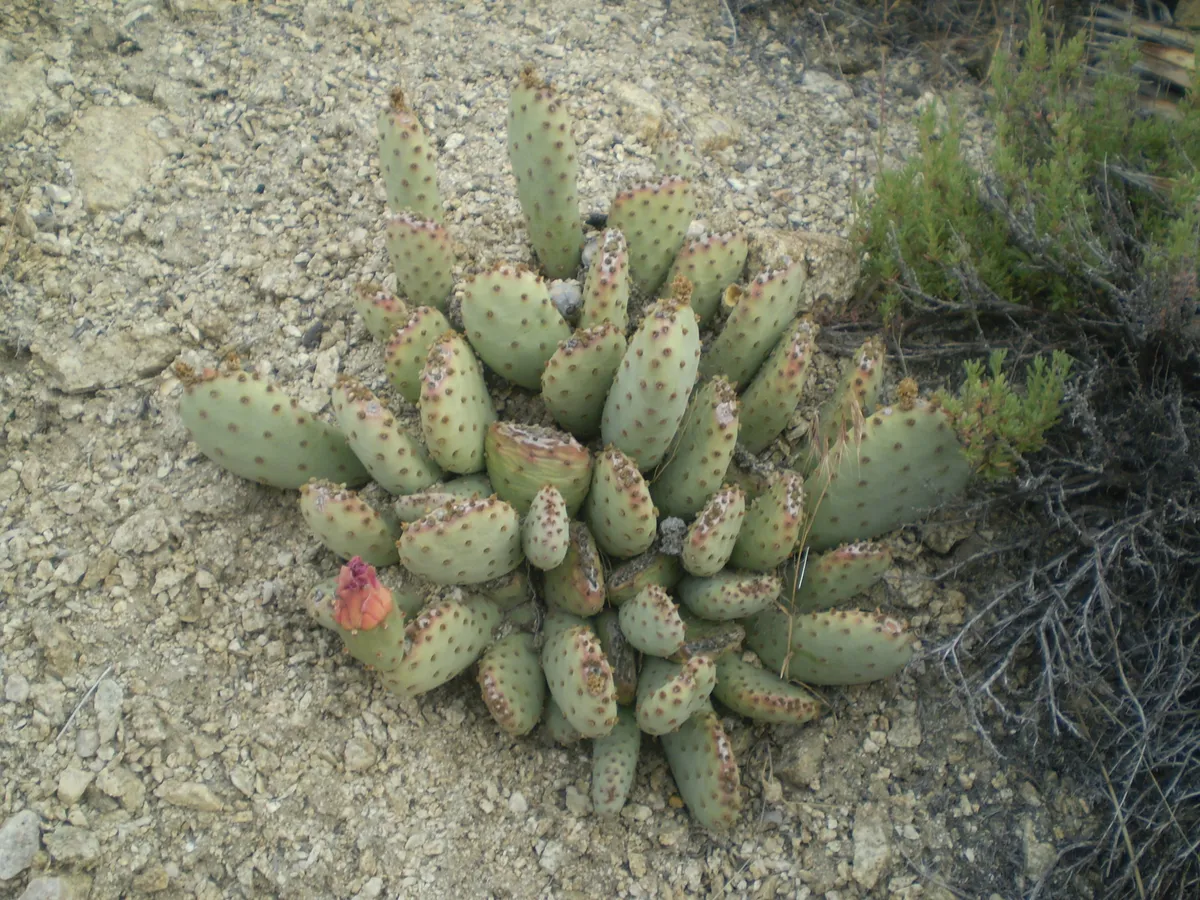
Weak-leaf Yucca is listed as toxic to dogs by the ASPCA (Yucca spp.). These natives fill a similar role in a planting and are not on the ASPCA toxic plant list for dogs or cats. Each plant's page carries its dated record.

Light
full sun
Water
low
Size
12"–36" H × 24"–48" W
Bloom
Jun, Jul
Native to
AL, AR, FL, GA and 15 more states
Pollinators
moths
Before you buy
Your city may pay you to plant this
Cities and water utilities offer rebates for replacing lawn with native and water-wise plants. We track 465 programs across 44 states, each with a link to the provider and the date we last checked it.
Find rebates in your areaPicture natives in your own yard
Upload a photo of your yard and Patch Vision shows a rendering of it planted with natives for your region, like Weak-leaf Yucca.
Browse plants for this ecoregion
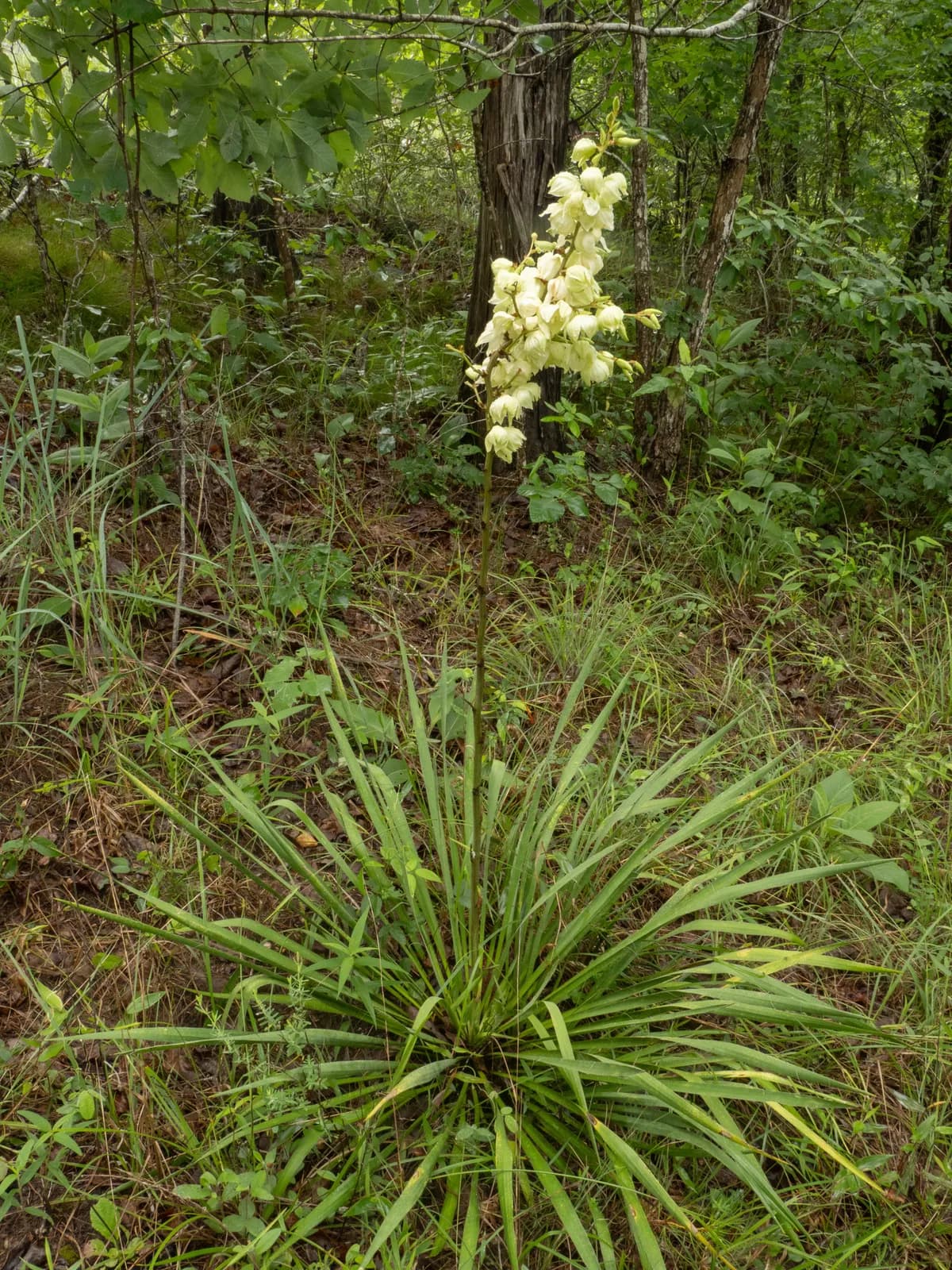
A compact yucca called weak-leaf yucca, with a rosette of narrow, softly drooping blue-green leaves that stay low to the ground. A tall, dense spike of nodding creamy white bell-shaped flowers rises above the foliage in summer.
Growing Weak-leaf Yucca
Grow Weak-leaf Yucca in full sun and low water. Mature plants reach 12 to 36 inches tall and spread 24 to 48 inches wide.
Wildlife value
Host plant for yucca moth.
Entirely dependent on yucca moths for pollination in a classic obligate mutualism, with the moth larvae feeding on some of the developing seeds.
Common questions
- How much sun does Weak-leaf Yucca need?
- Weak-leaf Yucca grows best in full sun conditions.
- When does Weak-leaf Yucca bloom?
- Weak-leaf Yucca blooms in June and July.
- Where is Weak-leaf Yucca native?
- Weak-leaf Yucca (Yucca flaccida) is native to AL, AR, FL, GA and 15 more states, per the World Checklist of Vascular Plants (Kew).
- Is Weak-leaf Yucca toxic to dogs?
- Yes. Weak-leaf Yucca is listed as toxic to dogs by the ASPCA (Yucca spp.) (aspca.org). If your pet has been exposed, call the ASPCA Animal Poison Control Center at (888) 426-4435.
- Is Weak-leaf Yucca toxic to cats?
- Yes. Weak-leaf Yucca is listed as toxic to cats by the ASPCA (Yucca spp.) (aspca.org). If your cat has been exposed, call the ASPCA Animal Poison Control Center at (888) 426-4435.
- What butterflies or moths does Weak-leaf Yucca host?
- Weak-leaf Yucca is a larval host plant for yucca moth.
Native range data from the World Checklist of Vascular Plants (Kew). Pollinator and host plant associations compiled from GBIF, iNaturalist, and published ecological literature.
If something looks wrong
Common plant problems, and what to check first
These come up on almost any plant. Each guide lists the likely causes in the order they are worth ruling out, with one thing to check before you act on any of them, and links to the source it came from.
- It is dying right after planting
- Leaves turning yellow
- Wilting even though I watered it
- Brown crispy leaf tips
- Bugs on the plant
Pollinator Patch flags toxic plants like Weak-leaf Yucca and shows natives not flagged toxic to pets for your ecoregion instead.