Raspberry
Rubus idaeus
Last reviewed: October 2026
Rubus idaeus is a deciduous shrub that blooms May through July and grows well in part shade with medium water. It is common along woodland edges and forest openings across much of the northern and mountainous United States.
Toxicity unknown
Raspberry (Rubus idaeus) is not listed by the ASPCA Animal Poison Control Center (opens in new tab) or the other sources we check, so we have no verdict for it either way. Absence from those lists is not a clearance. If your pet shows symptoms after eating any plant, call the ASPCA at (888) 426-4435.
The USDA PLANTS Database (opens in new tab) does not flag Raspberry as toxic to livestock.
Light
part shade
Water
medium
Size
24"–72" H × 24"–48" W
Bloom
May, Jun, Jul
Native to
AZ, CA, CO, CT and 34 more states
Pollinators
bees, beetles
Before you buy
Your city may pay you to plant this
Cities and water utilities offer rebates for replacing lawn with native and water-wise plants. We track 459 programs across 44 states, each with a link to the provider and the date we last checked it.
Find rebates in your areaPicture natives in your own yard
Upload a photo of your yard and Patch Vision shows a rendering of it planted with natives for your region, like Raspberry.


Browse plants for this ecoregion
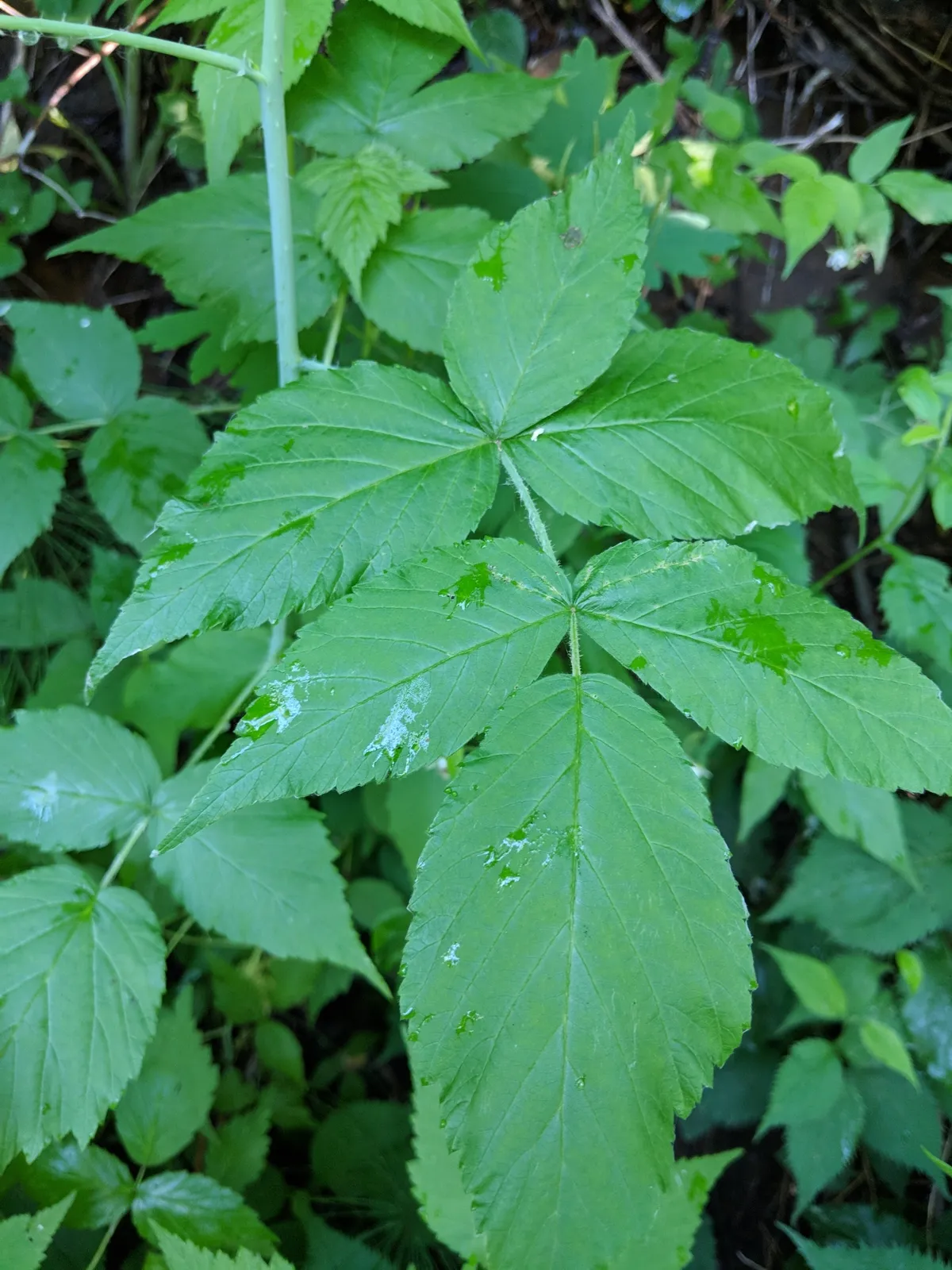
Red raspberry is a fruit-producing shrub that grows 2-6 feet tall with arching canes and compound leaves. It produces white flowers in late spring through summer followed by edible red berries. The plant spreads by underground runners and can form colonies over time.
Growing Raspberry
Grow Raspberry in part shade and medium water. Mature plants reach 24 to 72 inches tall and spread 24 to 48 inches wide. Expect high maintenance to keep it looking intentional in a front yard.
How to care for Raspberry, by region
How to care for Raspberry where it is actually grown: year-round basics plus what to do each season, region by region, with the sources for each.
Care guidance last updated: August 2026
Southern California/Northern Baja Coast (includes Los Angeles, CA)
Year-round
Raspberries can grow in the Los Angeles area but they need some help to be happy here. This is not a plant that grows wild in the LA basin. It comes from cooler climates and wants a break from our mild winters and hot summers. Pick a low chill variety bred for warm winters, give it morning sun with afternoon shade if you are more than a couple miles from the coast, and keep the roots evenly moist with regular deep watering and a layer of mulch.
- Choose a low chill raspberry variety such as Caroline, Heritage, or Joan J, which only need about 200 to 400 chill hours to fruit well
- Give the plant morning sun and afternoon shade in hotter inland parts of LA, full sun closer to the coast
- Keep soil consistently moist but not soggy, with mulch to keep roots cool
- Each cane lives two years, growing the first year and fruiting the second before it dies back
Fall
Fall can bring a second wave of berries in LA if you planted a low chill, fall bearing type like Caroline, Heritage, or Joan J. Once a cane finishes fruiting for the season, cut it down since each cane only fruits once in its lifetime before dying back.
- Low chill fall bearing varieties can ripen fruit from late summer into October in LA's mild fall weather
- Cut spent canes down to the ground right after they finish fruiting, since raspberry canes die after their second year
- Clear out dead or dying canes to keep the planting looking tidy and to reduce disease
- Ease off watering slightly as fall temperatures cool but do not let the root zone dry out
Cutting spent canes to the ground right after harvest keeps the bed from looking overgrown or scraggly, which matters most in a front yard planting.
Winter
LA winters are mild, which is exactly why a low chill raspberry variety matters here. Without enough cold hours, a standard raspberry may leaf out unevenly or fruit poorly. Use winter for light feeding and keeping an eye on soil moisture, since LA winters can still bring dry stretches. Raspberries are not on the ASPCA's list of plants toxic to dogs or cats, so an occasional nibble from a curious pet is not expected to cause poisoning, though large amounts of fruit can still upset a pet's stomach.
- Apply a balanced fertilizer in late winter to early spring before new growth starts
- Keep watering through dry winter stretches since LA rainfall alone is often not enough
- Skip high chill raspberry varieties here since LA basin winters rarely get cold enough for them
- Raspberry (Rubus) is not on the ASPCA's toxic plant list for dogs or cats, though it is still smart to keep pets from eating large amounts of any fruit
Spring
Spring is planting time for raspberries in LA. Set out bare root canes or container plants once the weather has settled, using a low chill variety since LA winters usually will not deliver enough cold for a standard high chill type. Water in well and start light support now so canes do not flop over as they grow.
- Plant bare root canes or nursery pots in early spring, spacing them 2 to 3 feet apart
- Set plants slightly deeper than they sat in the nursery pot
- Put up a simple trellis or stake line early so new canes grow upright instead of sprawling
- Water deeply after planting and keep soil evenly moist while roots establish
A simple wire trellis along a fence line keeps raspberry canes upright and tidy from the street, which reads as neat to an HOA-conscious neighbor.
Summer
Summer heat is the hardest part of growing raspberries in the LA basin, especially inland where afternoon sun can scorch fruit and stress the plant. Afternoon shade, steady watering, and mulch matter most right now.
- Give plants afternoon shade in hot inland yards so berries do not cook on the cane
- Water deeply and regularly, checking that soil stays moist but never waterlogged
- Keep a few inches of mulch over the roots to hold in moisture and keep roots cool
- Watch for spider mites during hot dry spells and hose off leaves if you spot fine webbing
Sources: Growing Raspberries in Southern California, Greg Alder's Yard Posts (community tip), Blackberries and Raspberries, UC Master Gardeners of Santa Clara County, Toxic and Non-Toxic Plants: Creeping Rubus, ASPCA
In an HOA neighborhood
Raspberry takes more care to keep looking intentional in a front yard. Maintenance level: high. Consider it for backyard or mid-zone beds rather than the street edge.
Works well in: backyard only.
- Spreads aggressively by runners
- Canes can look messy and unstructured
- Thorny stems may be considered unsafe
Wildlife value
Flowers attract bees and beetles during the long blooming period from May through July. Birds and small mammals enjoy the nutritious berries in summer.
Common questions
- How much sun does Rubus idaeus need?
- Rubus idaeus grows best with part shade but tolerates conditions from full sun to part shade. In hotter regions some afternoon shade helps keep the canes and fruit from drying out.
- When does Rubus idaeus flower?
- Rubus idaeus typically flowers from May through July, with exact timing depending on elevation and local spring temperatures.
- How much water does Rubus idaeus need?
- Rubus idaeus does best with medium, consistent soil moisture but can tolerate lower water once established, especially in cooler or shadier sites.
- What pollinators visit Rubus idaeus flowers?
- Bees and beetles are the main visitors to Rubus idaeus flowers, drawn to the nectar and pollen produced during the spring and early summer bloom period.
- What kind of habitat suits Rubus idaeus?
- Rubus idaeus grows well along forest edges, clearings, roadsides, and disturbed ground, often in cooler climates found at higher elevations or in northern states.
- Is Raspberry toxic to livestock?
- The USDA PLANTS Database does not flag Raspberry as toxic to livestock.
- Is Raspberry HOA-friendly?
- Raspberry takes more care to look intentional in a front yard. Consider it for backyard or mid-zone beds rather than the street edge.
These answers were drafted with an AI model from this plant's data. Verify care details with a local expert.
Native range data from vouchered herbarium specimen records and regional native plant society lists. Pollinator and host plant associations compiled from GBIF, iNaturalist, and published ecological literature.
If something looks wrong
Common plant problems, and what to check first
These come up on almost any plant. Each guide lists the likely causes in the order they are worth ruling out, with one thing to check before you act on any of them, and links to the source it came from.
- It is dying right after planting
- Leaves turning yellow
- Wilting even though I watered it
- Brown crispy leaf tips
- Bugs on the plant
Ready to grow Raspberry? Add it to your garden in Pollinator Patch to track it and get season-by-season care guidance.